

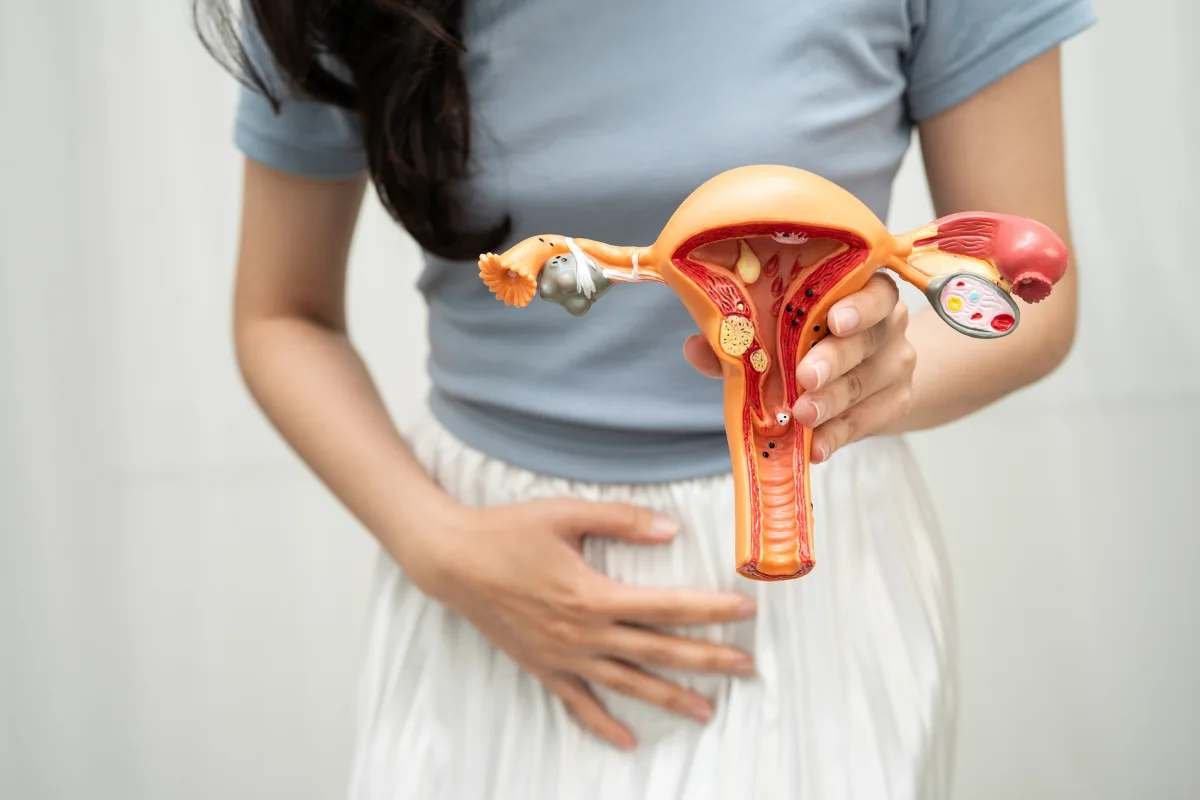
Many women experience pelvic pain, heavy periods, and fertility challenges without knowing the exact cause. Endometriosis is one condition that can significantly affect a woman’s daily life and overall well-being.
Getting the right diagnosis and treatment at the right time is important for managing symptoms and preventing complications.
For women seeking advanced care, an endometriosis operation in dubai may be recommended when medications and other treatments do not provide enough relief. Surgery can help reduce pain, improve quality of life, and support fertility goals in selected cases.
This guide explains what endometriosis is, when surgery may be needed, the different surgical options available, and what patients can expect before, during, and after treatment.
What Is Endometriosis?
Endometriosis is a condition where tissue similar to the lining inside the uterus grows outside the uterus. These growths can appear on the ovaries, fallopian tubes, bladder, bowel, and other pelvic organs.
Just like the uterine lining, this tissue responds to hormonal changes during the menstrual cycle. However, because it is located outside the uterus, it cannot leave the body normally. This can lead to inflammation, scar tissue, and pain.
Endometriosis affects women differently. Some may experience severe symptoms, while others may have mild symptoms or no symptoms at all.
Common Symptoms of Endometriosis
The symptoms of endometriosis can vary depending on the location and severity of the condition.
Common symptoms include:
- Chronic pelvic pain
- Painful menstrual periods
- Heavy menstrual bleeding
- Pain during or after intercourse
- Pain during bowel movements or urination
- Bloating and digestive discomfort
- Lower back pain
- Difficulty becoming pregnant
- Fatigue
Because many of these symptoms can resemble other health conditions, proper medical evaluation is essential.
When Is Surgery Recommended?
Not every patient with endometriosis requires surgery. Doctors often begin treatment with medications, hormonal therapies, and lifestyle changes.
However, surgery may be recommended when:
- Pain is severe and ongoing
- Medication does not provide relief
- Endometriosis affects fertility
- Large ovarian cysts are present
- Scar tissue is causing complications
- Symptoms interfere with daily activities
- The diagnosis needs confirmation
An endometriosis operation in Dubai may help remove abnormal tissue and improve overall pelvic health.
Goals of Endometriosis Surgery
The primary goals of surgery include:
Reducing Pain
Removing endometriosis lesions can significantly reduce pelvic pain and discomfort.
Improving Fertility
In some women, surgery may improve the chances of conception by restoring normal pelvic anatomy.
Removing Endometriosis Tissue
The procedure aims to remove or destroy abnormal tissue growths.
Preserving Healthy Organs
Whenever possible, surgeons focus on protecting healthy reproductive organs and surrounding structures.
Improving Quality of Life
Many women experience improved daily functioning after successful treatment.
Types of Endometriosis Operations
Several surgical approaches may be used depending on the severity of the condition.
Laparoscopic Surgery
Laparoscopy is the most common surgical treatment for endometriosis.
This minimally invasive procedure uses small incisions and a camera called a laparoscope. The surgeon can view the pelvic organs and remove endometriosis tissue through specialized instruments.
Benefits of laparoscopy include:
- Smaller incisions
- Less pain after surgery
- Reduced scarring
- Faster recovery
- Shorter hospital stay
Many women undergoing an endometriosis operation in Dubai receive laparoscopic treatment because of its effectiveness and faster healing process.
Excision Surgery
Excision surgery involves cutting out endometriosis lesions completely.
Many specialists consider this approach highly effective because it removes the affected tissue rather than simply destroying its surface.
Excision may be used for:
- Deep infiltrating endometriosis
- Extensive disease
- Recurrent endometriosis
Ablation Surgery
In ablation surgery, endometriosis lesions are destroyed using heat, laser energy, or other techniques.
This approach may be suitable in selected cases but may not remove deeper disease completely.
Ovarian Cyst Removal
Some women develop endometriomas, often called ovarian cysts related to endometriosis.
These cysts can cause pain and affect fertility. Surgery may be performed to remove them while preserving as much healthy ovarian tissue as possible.
Hysterectomy
A hysterectomy involves removal of the uterus.
This procedure is usually considered only in specific situations, particularly when symptoms are severe and other treatments have failed.
It is generally reserved for women who have completed their families or do not plan future pregnancies.
Preparing for Endometriosis Surgery
Proper preparation can help ensure a smoother surgical experience.
Medical Evaluation
Patients typically undergo:
- Physical examination
- Medical history review
- Pelvic imaging studies
- Blood tests
- Discussion of symptoms and treatment goals
Medication Review
Patients should inform their healthcare team about all medications, vitamins, and supplements they are taking.
Some medications may need adjustment before surgery.
Lifestyle Preparation
Doctors may recommend:
- Staying hydrated
- Eating nutritious meals
- Avoiding smoking
- Maintaining light physical activity
- Following fasting instructions before surgery
Understanding the Procedure
Patients should discuss:
- Surgical approach
- Expected outcomes
- Recovery timeline
- Potential risks
- Fertility considerations
Being informed can help reduce anxiety before the operation.
What Happens During the Surgery?
The exact procedure depends on the type and extent of endometriosis.
Generally, surgery follows these steps:
Anesthesia
The patient receives general anesthesia and remains asleep throughout the procedure.
Surgical Access
For laparoscopic surgery, small incisions are made in the abdomen.
Examination
The surgeon carefully examines the pelvic organs and identifies endometriosis lesions.
Removal of Disease
Abnormal tissue, cysts, scar tissue, and adhesions are removed or treated.
Completion
The instruments are removed, and the incisions are closed.
The operation may take one to several hours depending on the complexity of the condition.
Recovery After Endometriosis Surgery
Recovery experiences differ from patient to patient.
Immediately After Surgery
Patients are monitored as the anesthesia wears off.
Some common temporary symptoms include:
- Mild discomfort
- Fatigue
- Shoulder pain from surgical gas
- Light abdominal soreness
- Nausea
These symptoms usually improve within a few days.
Returning Home
Many laparoscopic procedures allow patients to return home the same day or within 24 hours.
Recovery Timeline
Most patients can:
- Resume light activities within a few days
- Return to work within one to three weeks
- Gradually increase activity levels
- Resume exercise after medical approval
More extensive surgeries may require longer recovery periods.
Tips for a Smooth Recovery
Following post-operative instructions carefully can support healing.
Helpful recovery tips include:
Get Adequate Rest
Rest allows the body to heal properly after surgery.
Stay Hydrated
Drinking enough water helps support recovery and digestion.
Eat Balanced Meals
Nutritious foods provide the body with essential healing nutrients.
Walk Regularly
Gentle walking may improve circulation and reduce the risk of complications.
Attend Follow-Up Appointments
Regular checkups allow doctors to monitor healing and address concerns.
Follow Medication Instructions
Take prescribed medications exactly as directed.
Possible Risks and Complications
Although endometriosis surgery is generally safe, all surgical procedures carry some risks.
Potential complications include:
- Infection
- Bleeding
- Injury to nearby organs
- Blood clots
- Scar tissue formation
- Recurrence of endometriosis
- Anesthesia-related complications
Discussing these risks with the surgical team helps patients make informed decisions.
Can Endometriosis Return After Surgery?
Yes, endometriosis can return after treatment.
Recurrence depends on several factors, including:
- Age
- Severity of disease
- Hormonal influences
- Completeness of tissue removal
Many women experience long-term symptom relief, while others may require additional treatment in the future.
Doctors may recommend hormonal therapies after surgery to reduce the risk of recurrence.
Endometriosis Surgery and Fertility
Many women with endometriosis are concerned about their ability to become pregnant.
Endometriosis can affect fertility by:
- Damaging reproductive organs
- Causing inflammation
- Creating scar tissue
- Blocking fallopian tubes
Surgery may improve fertility in selected patients by removing lesions and restoring normal pelvic anatomy.
However, fertility outcomes vary based on age, disease severity, and individual reproductive health factors.
Patients planning pregnancy should discuss fertility goals with their specialist before surgery.
Choosing the Right Time for Surgery
The decision to proceed with surgery should be individualized.
Factors considered include:
- Severity of symptoms
- Response to medication
- Age and reproductive plans
- Overall health
- Extent of disease
- Impact on quality of life
A detailed consultation helps determine whether surgery is the most appropriate treatment option.
Questions to Ask Before an Endometriosis Operation
Before undergoing surgery, patients may find it helpful to ask:
- What type of surgery do I need?
- What benefits can I expect?
- What are the risks?
- How long will recovery take?
- Will surgery improve fertility?
- Could symptoms return?
- How experienced is the surgical team with endometriosis treatment?
Having clear answers can help patients feel more confident and prepared.
Living Well After Endometriosis Treatment
Many women experience significant improvements after treatment.
Long-term management may include:
- Regular medical follow-ups
- Hormonal therapy if recommended
- Healthy eating habits
- Physical activity
- Stress management
- Monitoring symptoms
A comprehensive treatment plan often provides the best results for long-term symptom control.
Conclusion
An endometriosis operation in Dubai can be an effective treatment option for women experiencing persistent pain, fertility concerns, or complications related to endometriosis. Understanding the surgical process, recovery expectations, and long-term management strategies helps patients make informed healthcare decisions. With proper diagnosis, individualized treatment planning, and expert medical care, many women achieve significant symptom relief and an improved quality of life. For personalized guidance and comprehensive evaluation, patients can consult Dr. Neha Lalla to discuss the most suitable treatment options for their specific condition.
