

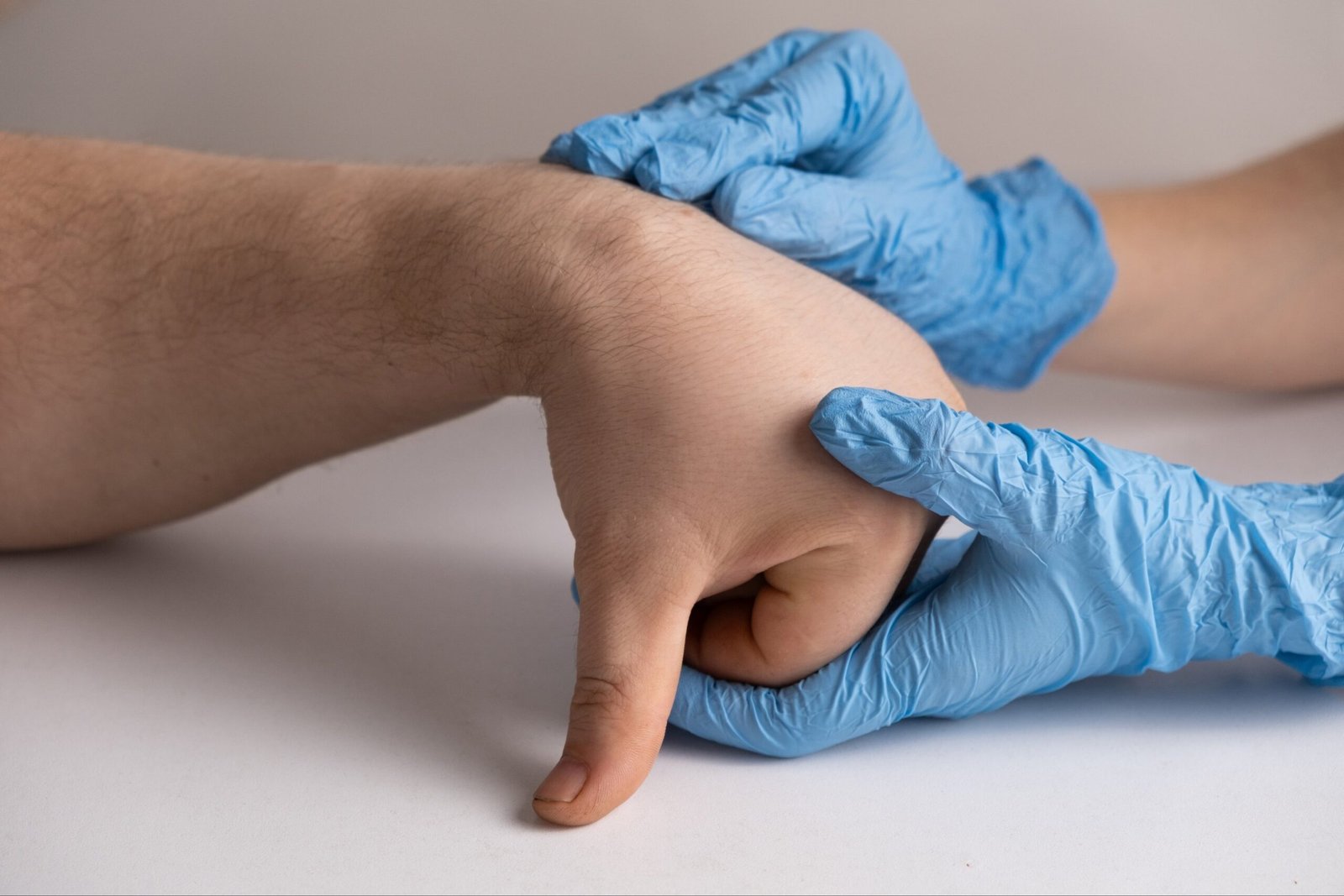
Many people notice a small lump near their wrist, hand, foot, or ankle and become worried about what it might be. While some lumps may need medical attention, others are harmless and can be managed with proper care.
A lump can develop for different reasons, including swelling of tissues, injury, or fluid buildup inside a sac. Understanding the cause is important because treatment depends on the condition.
One common type of lump is a ganglion cyst. It is a non-cancerous fluid-filled swelling that usually forms near joints or tendons. Although it is often harmless, it can sometimes cause discomfort, pain, or limit movement. Learning about its symptoms, diagnosis, and treatment options can help patients make informed decisions about their health.
What Is a Ganglion Cyst?
A ganglion cyst is a round or oval-shaped lump filled with a thick, jelly-like fluid. This fluid is similar to the fluid that naturally lubricates joints and tendons in the body.
These cysts most commonly develop in:
- The wrist
- The back of the hand
- The palm side of the wrist
- Fingers
- Feet
- Ankles
Ganglion cysts can vary in size. Some remain very small and almost invisible, while others become larger and more noticeable over time. The size may also change depending on activity levels.
Although they can occur in people of all ages, they are more commonly seen in young and middle-aged adults.
Why Does a Ganglion Cyst Develop?
The exact cause of a ganglion cyst is not always known. However, medical experts believe that it forms when joint or tendon tissue weakens, allowing fluid to collect in a small sac.
Several factors may increase the risk of developing a ganglion cyst:
Repetitive Joint Stress
Repeated movements of the wrist, hand, or ankle may place stress on joints and tendons, increasing the likelihood of cyst formation.
Previous Injury
A past injury to a joint or tendon may contribute to the development of a cyst.
Joint Conditions
People with arthritis or other joint-related problems may have a higher chance of developing ganglion cysts.
Tendon Irritation
Long-term irritation of tendons can lead to fluid accumulation and cyst formation.
Common Symptoms of a Ganglion Cyst
Symptoms vary from person to person. Some people have no symptoms at all, while others experience discomfort and limitations in movement.
Visible Lump
The most common sign is a noticeable lump under the skin near a joint or tendon.
Pain or Discomfort
Pain may occur if the cyst presses on nearby nerves or tissues.
Tingling or Numbness
Pressure on nerves can sometimes cause tingling sensations or numbness in the surrounding area.
Weakness
Some patients experience weakness in the affected hand, wrist, foot, or ankle.
Limited Movement
Large cysts may interfere with normal joint movement and daily activities.
Where Do Ganglion Cysts Commonly Appear?
Wrist
The wrist is the most common location. These cysts often appear on the back of the wrist but can also form on the palm side.
Hand and Fingers
Ganglion cysts may develop near finger joints or tendon sheaths.
Foot and Ankle
These cysts can form around the ankle or on the top of the foot, causing discomfort when wearing shoes.
Knee Area
Although less common, ganglion cysts can occasionally appear around the knee.
Are Ganglion Cysts Dangerous?
In most cases, ganglion cysts are not dangerous. They are non-cancerous and usually do not spread to other parts of the body.
However, medical evaluation is important because:
- Other lumps can resemble ganglion cysts
- Pain may interfere with daily activities
- Nerve compression can cause symptoms
- Proper diagnosis ensures appropriate treatment
Any new lump should be assessed by a healthcare professional to confirm its nature.
How Is a Ganglion Cyst Diagnosed?
Diagnosis usually begins with a detailed medical history and physical examination.
Physical Examination
The doctor examines the lump and evaluates:
- Size
- Shape
- Location
- Tenderness
- Mobility
The cyst may feel soft or firm depending on the amount of fluid inside.
Transillumination Test
A light may be shined through the lump. Since ganglion cysts contain fluid, light often passes through them.
Ultrasound
Ultrasound imaging helps determine whether the lump is fluid-filled or solid.
Benefits include:
- Quick procedure
- No radiation exposure
- Clear visualization of soft tissues
MRI Scan
Magnetic Resonance Imaging (MRI) may be recommended when:
- The diagnosis is uncertain
- The cyst is deep beneath the skin
- Surgery is being considered
MRI provides detailed images of joints, tendons, and surrounding structures.
X-Rays
X-rays do not show the cyst itself but may help identify underlying joint problems or arthritis.
When Should You See a Doctor?
Medical attention should be sought if:
- The lump continues to grow
- Pain develops
- Movement becomes restricted
- Numbness or tingling occurs
- Daily activities become difficult
Early assessment can help prevent complications and provide reassurance.
Treatment Options for Ganglion Cysts
Treatment depends on symptoms, size, and patient preferences.
Observation
Many ganglion cysts do not require immediate treatment.
Doctors may recommend simple observation when:
- The cyst is painless
- Daily activities are unaffected
- There are no signs of nerve compression
Some cysts shrink or disappear on their own over time.
Activity Modification
Reducing activities that aggravate symptoms can help decrease discomfort.
Examples include:
- Limiting repetitive wrist movements
- Taking breaks during work
- Avoiding excessive strain
Splinting or Bracing
A wrist or ankle brace may reduce movement and irritation.
Benefits include:
- Reduced pain
- Improved comfort
- Temporary symptom relief
However, long-term immobilization is usually avoided because it can weaken muscles.
Aspiration
Aspiration involves removing fluid from the cyst using a needle.
Advantages
- Minimally invasive
- Quick procedure
- Immediate reduction in size
Limitations
- The cyst may return
- Multiple treatments may sometimes be needed
Aspiration is commonly performed when symptoms are bothersome but surgery is not immediately necessary.
Surgical Removal
Surgery may be recommended when:
- Pain persists
- The cyst repeatedly returns
- Nerve compression occurs
- Movement is significantly affected
During surgery, the cyst and its connection to the joint or tendon are removed.
Benefits of Surgery
- Lower recurrence rate
- Relief of symptoms
- Improved function
Recovery
Recovery time varies depending on:
- Location of the cyst
- Type of procedure
- Individual healing ability
Most patients gradually return to normal activities after healing.
Can a Ganglion Cyst Come Back?
Yes, recurrence is possible.
Even after treatment, some cysts may return because the underlying connection to the joint or tendon can continue producing fluid.
Recurrence rates are generally:
- Higher after aspiration
- Lower after surgical removal
Following medical advice and attending follow-up appointments can help monitor recovery.
Home Care Tips for Managing Symptoms
Although home care cannot eliminate the cyst, it may help manage symptoms.
Apply Warm Compresses
Warm compresses may improve comfort and reduce stiffness.
Protect the Area
Avoid activities that place excessive pressure on the affected joint.
Maintain Gentle Movement
Gentle exercises can help maintain flexibility without causing irritation.
Wear Comfortable Footwear
For cysts on the foot or ankle, supportive shoes can reduce pressure and discomfort.
Monitor Changes
Keep track of:
- Growth in size
- Increased pain
- New symptoms
Report significant changes to your healthcare provider.
What Should You Avoid?
There are several common mistakes people should avoid.
Do Not Burst the Cyst
Attempting to pop or crush the cyst can lead to injury and infection.
Avoid Self-Treatment With Sharp Objects
Needles or other tools should never be used at home.
Do Not Ignore Persistent Symptoms
Ongoing pain, numbness, or functional limitations should be medically evaluated.
Preventing Ganglion Cysts
There is no guaranteed way to prevent ganglion cysts. However, certain habits may help reduce joint stress.
Maintain Joint Health
Regular exercise and stretching can support healthy joints and tendons.
Use Proper Ergonomics
Correct hand and wrist positioning during work may reduce repetitive strain.
Take Frequent Breaks
Short breaks during repetitive activities allow joints and tendons to recover.
Address Injuries Promptly
Proper treatment of joint and tendon injuries may help minimize future complications.
Frequently Asked Questions
Is a ganglion cyst cancer?
No. A ganglion cyst is a non-cancerous growth filled with fluid.
Can a ganglion cyst disappear naturally?
Yes. Some cysts shrink or disappear without treatment.
Is surgery always necessary?
No. Many cysts can be managed through observation or aspiration if symptoms are mild.
Can exercise make a ganglion cyst worse?
Certain repetitive activities may increase irritation. A healthcare professional can recommend suitable exercises.
Are ganglion cysts common?
Yes. They are among the most common soft tissue lumps found around the wrist and hand.
Conclusion
A ganglion cyst is a common, non-cancerous fluid-filled lump that typically develops near joints and tendons. While many cysts cause no symptoms, others may lead to pain, weakness, numbness, or restricted movement. Accurate diagnosis through physical examination and imaging helps determine the most appropriate treatment plan. Management options range from simple observation and lifestyle modifications to aspiration and surgical removal when necessary.
If you notice a persistent lump or experience symptoms that affect your daily activities, seeking professional medical advice is the best step. For expert evaluation and personalized orthopedic care, consult Dr Marouane Bouloudhnine, who can help determine the most suitable treatment approach based on your individual condition and needs.
