

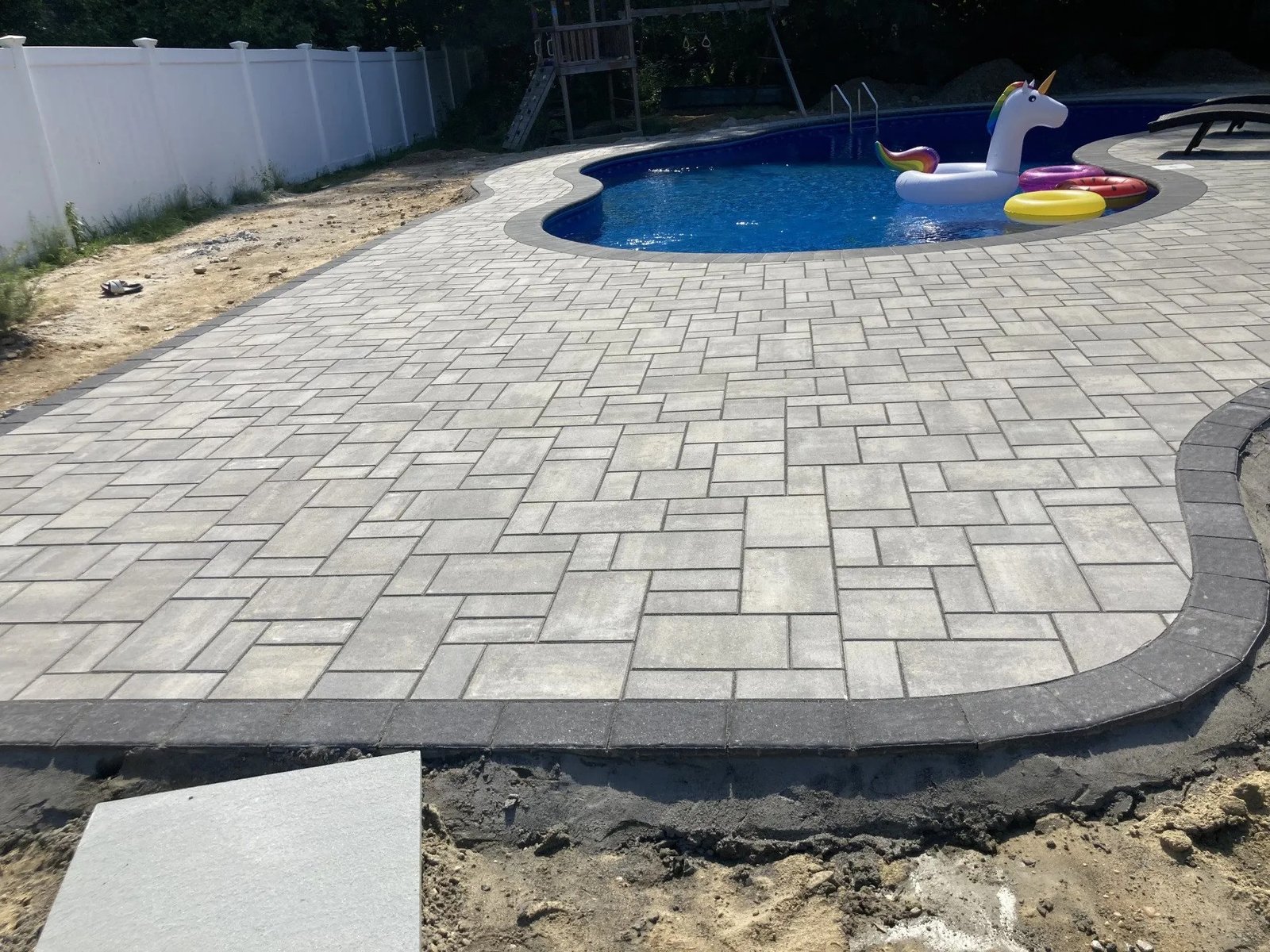
Many homes in Mount Sinai sit on properties with natural slopes, uneven grades, or soil erosion concerns, especially near wooded lots and waterfront areas. A professionally built retaining wall does more than hold back soil. It transforms a problematic yard into usable, attractive outdoor space. Homeowners searching for Retaining Walls Mount Sinai solutions often discover that a properly engineered wall can prevent costly erosion damage while creating new opportunities for gardens, patios, or terraced lawns.
Materials That Stand Up to Long Island Weather
Choosing the right material is one of the most important decisions in any retaining wall project. Natural stone, segmental concrete block, and boulder walls each offer different aesthetic and functional benefits. In Mount Sinai’s climate, materials need to withstand freeze-thaw cycles, heavy rain, and seasonal temperature swings without cracking or shifting. Experienced contractors evaluate soil type, drainage patterns, and wall height before recommending a material that balances durability with the visual style of the home.
The Importance of Proper Drainage Systems
A retaining wall without adequate drainage is a wall destined to fail. Water buildup behind a wall creates hydrostatic pressure that can cause bulging, cracking, or complete collapse over time. Professional installers incorporate gravel backfill, perforated drainage pipes, and weep holes to channel water away from the structure. This step is often invisible once the project is complete, but it’s arguably the most critical part of ensuring the wall lasts for decades rather than years.
Engineering Considerations for Taller Walls
Walls under three feet typically require less complex planning, but taller retaining structures involve serious engineering considerations. Soil composition, load-bearing requirements, and local building codes all play a role in determining footing depth, reinforcement needs, and whether permits are required. Skilled masonry teams assess these factors upfront, avoiding costly mistakes and ensuring the finished wall meets both safety standards and long-term performance expectations.
Enhancing Curb Appeal Through Design
Retaining walls aren’t purely functional. They can become a defining feature of a property’s landscape design. Curved walls, stepped terraces, and stone facades add visual interest while serving their structural purpose. Many homeowners pair retaining walls with built-in seating, planters, or lighting features to create multi-purpose outdoor living areas. Thoughtful design turns a necessary structural element into an asset that boosts property value and overall appearance.
Common Signs Your Existing Wall Needs Attention
Older retaining walls often show warning signs before they fail completely. Bulging sections, visible cracks, leaning posture, or pooling water at the base are all indicators that a wall may need repair or replacement. Ignoring these signs can lead to more extensive damage to driveways, patios, or even foundations located near the failing structure. Regular inspections help catch problems early, often saving homeowners from far more expensive repairs down the road.
The Installation Process from Start to Finish
A typical retaining wall project begins with a site assessment and consultation to understand the homeowner’s goals and the property’s specific challenges. This is followed by excavation, base preparation, and careful placement of the first course of blocks or stones, which sets the foundation for everything above it. Each subsequent layer is set with attention to leveling, backfilling, and compaction. The final steps include capping the wall and finishing the surrounding landscape to blend seamlessly with the rest of the yard.
Choosing a Local Contractor for Long-Term Results
Working with a contractor familiar with Mount Sinai’s soil conditions, climate, and local permitting requirements offers significant advantages. Local experience means fewer surprises during construction and a finished product built to handle the area’s specific environmental demands. A reputable masonry team will provide a clear estimate, realistic timeline, and warranty information before work begins, giving homeowners confidence that their investment will hold up for years to come.
