

Introduction
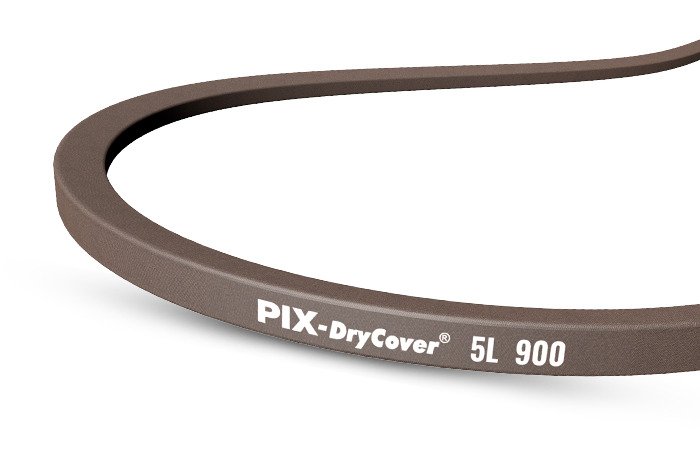
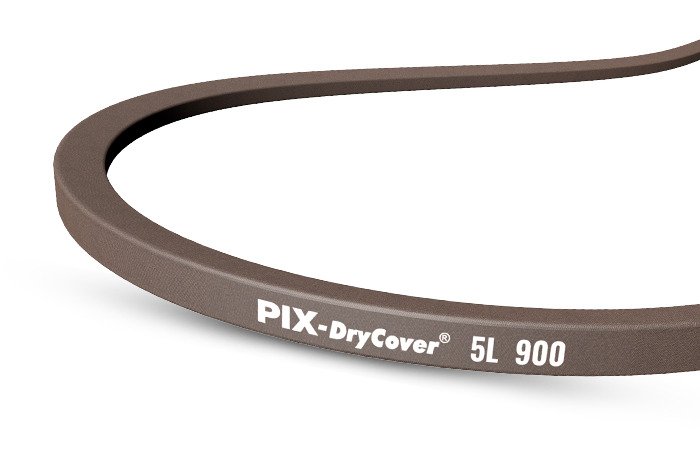
Rubber Belts are an important part of many industrial machines. They help transfer power from one machine part to another and keep equipment running smoothly. However, selecting the right belt is not always easy. A belt that is too small, too weak, or not suitable for the machine’s speed can lead to poor performance and frequent breakdowns.
Understanding load and speed requirements is one of the most important steps when choosing a belt. When the correct belt is selected, machines run better, energy loss is reduced, and maintenance costs stay lower.
This guide explains how to select the right belt based on load and speed requirements in simple and easy-to-understand language.
Why Load and Speed Matter in Belt Selection
Before selecting a belt, it is important to understand the meaning of load and speed.
What Is Load?
Load refers to the amount of force or work that the belt must handle while operating. Different machines create different levels of load.
Examples include:
- Conveyor systems carrying heavy products
- Agricultural machines handling large workloads
- Industrial equipment operating continuously
A belt must be strong enough to handle the load without stretching, slipping, or wearing out too quickly.
What Is Speed?
Speed refers to how fast the belt moves during operation. Some machines work at slow speeds, while others operate at very high speeds.
The speed of a machine affects:
- Belt temperature
- Wear rate
- Performance
- Service life
Selecting a belt that matches the machine’s speed helps ensure smooth operation.
Understanding Different Types of Loads
Not all loads are the same. Identifying the load type helps you choose the right belt design.
Light Loads
Light-duty machines usually place less stress on belts.
Examples:
- Small fans
- Light conveyors
- Office equipment
These applications generally require standard belts.
Medium Loads
Medium loads are common in manufacturing and processing equipment.
Examples:
- Packaging machines
- Pumps
- Compressors
These systems require belts with higher strength and durability.
Heavy Loads
Heavy-duty machines create significant stress on belts.
Examples:
- Crushers
- Mining equipment
- Large industrial conveyors
Heavy-load applications need stronger belts with greater load-carrying capacity.
How Machine Speed Affects Belt Performance
Speed plays a major role in belt efficiency and lifespan.
Low-Speed Applications
Machines operating at lower speeds generally produce less heat.
Benefits include:
- Lower wear
- Longer belt life
- Reduced maintenance
However, belts must still be strong enough to handle the load.
High-Speed Applications
High-speed machines require belts that can resist heat and maintain stability.
Important factors include:
- Heat resistance
- Flexibility
- Accurate alignment
A belt designed for high-speed use helps avoid vibration and performance issues.
Key Factors to Consider When Selecting Rubber Belts
Several factors should be checked before making a final decision.
Belt Size and Dimensions
The belt must fit the pulley system correctly.
Check:
- Belt length
- Width
- Thickness
Incorrect sizing can cause slipping and premature wear.
Material Quality
The quality of rubber directly affects performance.
A good-quality belt offers:
- Better flexibility
- Higher strength
- Longer service life
Always choose belts manufactured according to industry standards.
Working Environment
Environmental conditions can impact belt performance.
Consider:
- Dust levels
- Moisture
- Heat exposure
- Chemical contact
Different environments may require special belt materials.
Machine Operating Hours
Machines running for long hours place greater demands on belts.
Continuous operations often require belts designed for extended service life and improved durability.
Infographic Table: Quick Guide to Belt Selection
| Load Type | Speed Level | Recommended Belt Characteristics | Typical Applications |
|---|---|---|---|
| Light Load | Low Speed | Standard flexibility and strength | Fans, small conveyors |
| Light Load | High Speed | Heat-resistant and flexible | Small machinery |
| Medium Load | Medium Speed | Balanced durability and strength | Pumps, packaging systems |
| Heavy Load | Low Speed | High load capacity | Crushers, industrial conveyors |
| Heavy Load | High Speed | High strength and heat resistance | Heavy manufacturing equipment |
Common Mistakes to Avoid
Many businesses experience belt problems because of simple selection mistakes.
Choosing Based Only on Price
Low-cost belts may seem attractive at first, but they often wear out faster and increase replacement costs.
Focus on performance and long-term value instead.
Ignoring Load Requirements
Using a belt designed for light loads in a heavy-duty application can cause:
- Belt stretching
- Cracking
- Frequent failures
Always match the belt to the actual load.
Overlooking Speed Ratings
Every belt has speed limitations.
Using a belt beyond its rated speed can lead to:
- Excess heat
- Reduced efficiency
- Shorter lifespan
Poor Installation Practices
Even the best belt can fail if installed incorrectly.
Proper installation includes:
- Correct tension
- Accurate alignment
- Regular inspection
Maintenance Tips for Longer Belt Life
Selecting the right belt is only part of the process. Proper maintenance also matters.
Inspect Belts Regularly
Look for signs of:
- Cracks
- Fraying
- Surface damage
- Excessive wear
Early detection helps prevent unexpected downtime.
Keep Pulleys Clean
Dirty pulleys can increase friction and reduce belt life.
Regular cleaning improves performance and reliability.
Check Belt Tension
Belts that are too loose may slip, while belts that are too tight can create extra stress.
Maintaining proper tension helps achieve better performance.
Monitor Operating Conditions
Changes in temperature, humidity, or workload can affect belt performance.
Regular monitoring allows quick adjustments when needed.
Benefits of Choosing the Right Belt
When the correct Rubber Belts are selected according to load and speed requirements, businesses can enjoy several advantages.
Better Machine Performance
Properly matched belts help machines operate smoothly and efficiently.
Reduced Maintenance Costs
Correct belt selection reduces wear and minimizes unexpected repairs.
Longer Service Life
Belts that match application requirements typically last longer and deliver consistent performance.
Improved Productivity
Reliable belts help reduce downtime and keep operations running without interruption.
Conclusion
Choosing the right Rubber Belts is an important step for achieving reliable machine performance. Understanding load requirements, speed levels, operating conditions, and machine demands helps ensure the belt performs effectively for a long time.
Instead of focusing only on price, businesses should evaluate belt strength, size, quality, and application needs. A well-selected belt can improve efficiency, reduce maintenance costs, and support continuous operations.
For businesses looking for dependable power transmission solutions and industry knowledge, Pix transmission provides valuable resources and information to help users make informed decisions.
Call to Action
Looking for more information about industrial belts and power transmission systems? Explore expert resources, stay updated with industry trends, and discover practical solutions that help improve machine performance and reliability today.
For more insightful Articles Read more on gettonews
