

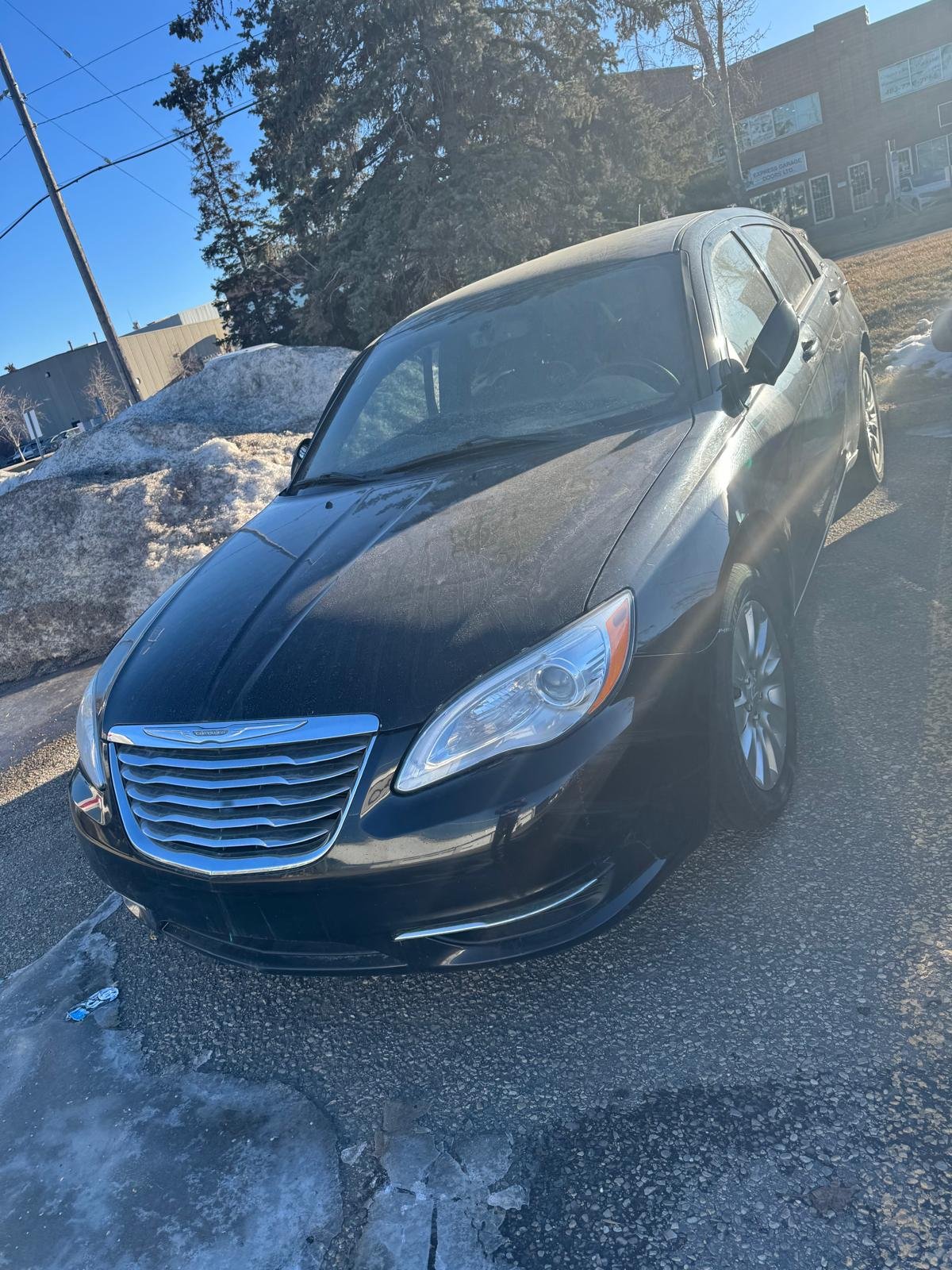
Many vehicle owners make the same costly mistake when dealing with an old, damaged, or non-running car: they wait too long before arranging junk car removal. Whether it’s because of sentimental attachment, uncertainty about the process, or the hope that the vehicle might somehow regain value, delaying the decision can actually cost you hundreds of dollars.
At first glance, keeping an unwanted vehicle for a few extra months—or even years—might not seem like a big deal. However, every day a junk car sits unused, it continues to lose value through rust, weather damage, mechanical deterioration, and declining market demand. In some cases, a vehicle that could have generated a strong cash offer a year ago may eventually become worth significantly less.
If you’re considering selling an unwanted vehicle, understanding the hidden costs of waiting can help you maximize your return and avoid expensive mistakes.
Why People Delay Junk Car Removal
Many vehicle owners have good intentions when they postpone removing an old car.
Common reasons include:
- Planning to repair it someday
- Emotional attachment
- Lack of time
- Uncertainty about the selling process
- Hoping the vehicle’s value will increase
- Using the vehicle for temporary storage
- Waiting for better market conditions
Unfortunately, while these reasons are understandable, the vehicle itself often continues losing value during the waiting period.
Vehicles Depreciate Even After They Stop Running
One of the biggest misconceptions about junk vehicles is that their value stays relatively stable once they become unusable.
In reality, depreciation never completely stops.
Even a non-running vehicle continues to lose value because:
- Parts deteriorate
- Rust spreads
- Fluids leak
- Electronics fail
- Salvageable components become damaged
As time passes, fewer components remain reusable, reducing the amount buyers are willing to pay.
Rust Is One of Your Biggest Enemies
Perhaps the greatest threat to an unused vehicle is rust.
Rust doesn’t simply affect appearance—it destroys value.
It can damage:
- Body panels
- Frame components
- Suspension systems
- Brake lines
- Exhaust systems
- Structural supports
Once corrosion becomes severe, many parts that were previously salvageable become unusable.
This means:
- Lower parts value
- Reduced scrap value
- Smaller cash offers
Vehicles stored outdoors are particularly vulnerable to rapid corrosion.
Weather Exposure Causes Continuous Damage
Every season creates new problems for an abandoned vehicle.
Summer Heat
High temperatures can damage:
- Paint
- Interior materials
- Plastic components
- Electronics
- Rubber seals
Rain and Moisture
Moisture accelerates:
- Rust formation
- Mold growth
- Electrical failures
- Interior deterioration
Winter Conditions
Snow, ice, and road salt contribute to:
- Severe corrosion
- Cracked components
- Frozen systems
- Structural damage
Even vehicles parked in driveways or backyards continue deteriorating year after year.
Salvageable Parts Lose Value Over Time
One of the biggest factors affecting junk car value is the condition of reusable parts.
These may include:
- Engines
- Transmissions
- Alternators
- Starters
- Wheels
- Catalytic converters
- Electronic modules
The longer a vehicle sits unused, the greater the chance these components will deteriorate.
For example:
Engines
Long-term inactivity can lead to:
- Internal corrosion
- Seized components
- Fluid contamination
Transmissions
Unused transmissions may experience:
- Seal failure
- Fluid degradation
- Internal damage
Electronics
Modern vehicles rely heavily on electronic systems that become increasingly vulnerable to moisture and age.
As salvageable parts lose functionality, your vehicle’s overall value declines.
Scrap Metal Prices Can Change
Many vehicle owners delay selling because they hope scrap prices will increase.
While this occasionally happens, scrap metal markets are unpredictable.
Prices fluctuate based on:
- Global demand
- Manufacturing activity
- Economic conditions
- Supply chain disruptions
- Commodity markets
Waiting for a future increase carries risk because:
- Prices may fall instead.
- Vehicle condition may worsen.
- The increase may not offset the loss in salvage value.
Trying to time scrap markets perfectly often results in missed opportunities.
Missing Parts Can Cost You Hundreds
As vehicles sit for extended periods, parts often disappear.
Commonly removed components include:
- Batteries
- Catalytic converters
- Wheels
- Tires
- Stereos
- Electronic modules
Unfortunately, every missing component reduces the vehicle’s value.
Catalytic converters deserve special attention because they often contain valuable precious metals.
If a catalytic converter is stolen or removed, you could lose a significant portion of your vehicle’s worth.
Storage Costs Add Up
Some vehicle owners pay to store non-running vehicles.
These expenses may include:
- Garage rental fees
- Storage lot charges
- Parking fees
- Property maintenance costs
Even modest monthly costs can quickly exceed the value of the vehicle itself.
For example:
- $50 per month equals $600 annually.
- $100 per month equals $1,200 annually.
Instead of paying to store a depreciating asset, many owners benefit more by selling it promptly.
Property Appearance Matters
An abandoned vehicle doesn’t just lose value—it can also negatively impact your property.
Unused vehicles can:
- Reduce curb appeal
- Create visual clutter
- Occupy valuable space
- Attract pests
- Lower property attractiveness
For homeowners considering renovations, landscaping, or selling property, removing an unwanted vehicle often provides immediate benefits.
Repair Costs Usually Continue Rising
Many people delay junk car removal because they plan to repair the vehicle later.
However, repair costs rarely decrease.
Over time:
- Labor costs increase.
- Parts become harder to find.
- Additional damage develops.
- Repair estimates grow.
A vehicle requiring $3,000 in repairs today may require significantly more after several years of neglect.
At some point, repairing the vehicle simply stops making financial sense.
Market Demand Can Change
Vehicle values depend heavily on market demand.
Demand for salvageable parts can change due to:
- New vehicle releases
- Discontinued models
- Changes in consumer preferences
- Availability of replacement parts
A vehicle that has strong parts demand today may become less desirable in the future.
Selling while demand remains strong often leads to better offers.
Environmental Risks Increase Over Time
Old vehicles can eventually become environmental hazards.
Potential problems include:
- Oil leaks
- Coolant leaks
- Fuel contamination
- Brake fluid spills
- Battery corrosion
These substances can contaminate:
- Soil
- Groundwater
- Landscaping
- Driveways
Prompt junk car removal helps prevent environmental damage while supporting responsible recycling.
Common Signs It’s Time to Sell
If your vehicle exhibits any of these signs, waiting may cost you money:
- It no longer runs.
- Repair costs exceed vehicle value.
- Rust is spreading.
- Parts have started failing.
- The vehicle has been sitting for months or years.
- Insurance and registration costs continue.
- You no longer plan to use it.
Recognizing these signs early can help preserve value.
How to Maximize Your Junk Car Value
If you’re ready to sell, several steps can help you receive the best possible offer.
Get Multiple Quotes
Different buyers value vehicles differently.
Comparing offers often leads to higher payouts.
Keep the Vehicle Intact
Avoid removing:
- Engines
- Catalytic converters
- Batteries
- Wheels
- Electronics
Complete vehicles generally receive stronger offers.
Gather Ownership Documents
Having proper paperwork ready speeds up the process.
Act Before Additional Damage Occurs
The sooner you sell, the more salvageable value remains.
The Benefits of Selling Early
Selling your junk vehicle sooner offers several advantages:
- Higher cash offers
- Fewer repair expenses
- Reduced storage costs
- More salvageable parts
- Less environmental risk
- Increased available space
- Greater convenience
In many cases, acting quickly can save or earn hundreds of dollars.
Final Thoughts
Waiting too long for junk car removal is one of the most common mistakes vehicle owners make. While it may seem harmless to let an old vehicle sit for another few months or years, the reality is that junk cars continue losing value through rust, weather exposure, parts deterioration, market changes, and increasing repair costs.
The good news is that almost every junk vehicle retains value if sold before severe deterioration occurs. Whether your vehicle is damaged, non-running, rusted, or simply no longer practical to repair, acting sooner rather than later can help you maximize your payout while avoiding unnecessary expenses.
If you have an unwanted vehicle sitting on your property today, the most profitable decision may be the simplest one: don’t wait until it loses even more value.
