

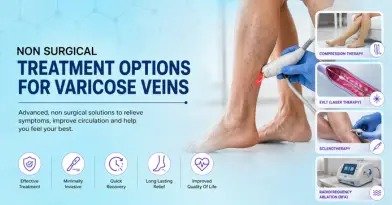
Varicose veins affect a significant number of adults and can influence much more than appearance alone. Symptoms such as aching, swelling, heaviness, and leg fatigue can make everyday activities less comfortable and may gradually affect quality of life. Fortunately, advances in vascular care have transformed the way vein conditions are diagnosed and managed.
Modern treatment approaches focus on improving patient outcomes through greater precision, personalised care, and reduced recovery times. Rather than relying on broad treatment methods, healthcare professionals can now use advanced technologies and targeted techniques to address individual patient needs. These developments are helping people access effective care while maintaining their daily routines and activities.
Changing Expectations Around Vein Care
Patients today are more informed about healthcare options than ever before. As a result, expectations surrounding treatment have changed considerably. People increasingly seek solutions that are not only effective but also convenient and tailored to their lifestyles.
This shift has encouraged ongoing innovation within vascular medicine. Healthcare providers are placing greater emphasis on treatments that minimise disruption while delivering meaningful improvements in symptoms and overall wellbeing. The focus is no longer solely on treating a condition but on supporting a positive patient experience from diagnosis through recovery.
Access to an experienced vascular surgeon in Ahmedabad can help patients better understand available treatment options and make informed decisions about their vein health.
From Symptom Management to Targeted Treatment
In the past, treatment often centred on managing discomfort caused by varicose veins. While symptom relief remains important, modern vascular care aims to address the underlying cause of vein disease.
By identifying which veins are functioning poorly, specialists can recommend treatments that directly target affected areas. This approach allows for more accurate interventions and may contribute to improved long-term outcomes.
As diagnostic capabilities have advanced, treatment planning has become increasingly personalised, helping patients receive care that aligns with their specific circumstances and health goals.
The Role of Precision in Modern Vein Treatment
Technology has played a major role in improving the accuracy of vein treatment. Enhanced imaging tools provide healthcare professionals with a clearer picture of vascular health, making it easier to identify concerns and develop appropriate treatment strategies.
Advanced Imaging and Diagnosis
Modern imaging techniques help specialists evaluate blood flow and identify vein abnormalities with greater accuracy. This detailed information supports more informed clinical decisions and allows treatment plans to be tailored to the individual’s condition.
Improved Treatment Planning
Access to better diagnostic information enables healthcare professionals to select the most appropriate treatment pathway. Rather than relying on a one-size-fits-all approach, care can be customized to address specific symptoms and vein patterns.
Greater Treatment Accuracy
Precision-based treatment reduces unnecessary intervention and supports more predictable outcomes. By targeting affected veins directly, healthcare providers can focus on achieving effective results while preserving surrounding healthy tissue.
Recovery Is Becoming Part of the Treatment Strategy
Recovery is now viewed as an important component of successful treatment. Advances in medical techniques have encouraged a greater focus on helping patients return to normal activities as efficiently as possible.
Modern treatment pathways often consider:
- Patient comfort during and after treatment
- Reduced disruption to daily routines
- Earlier return to work and physical activity
- Improved mobility during recovery
- Long-term symptom management
This broader perspective recognises that successful treatment extends beyond the procedure itself and includes the overall patient experience.

How Treatment Decisions Are Becoming More Personalised
No two patients experience vein disease in exactly the same way. Some may notice visible veins with few symptoms, while others experience persistent discomfort that affects everyday life.
Personalised treatment planning allows healthcare professionals to consider factors such as age, lifestyle, medical history, symptom severity, and treatment goals. This approach helps ensure that recommendations are tailored to the individual’s needs rather than based solely on the appearance of affected veins.
As personalised healthcare continues to evolve, patients benefit from treatment plans that reflect their unique circumstances and priorities.
Beyond Appearance: Measuring Success in Vein Treatment
Although visible improvement remains important for many individuals, modern healthcare places greater emphasis on overall patient outcomes.
Successful treatment may lead to:
- Reduced leg discomfort and heaviness
- Improved mobility and daily function
- Greater confidence in social and professional settings
- Better circulation and vascular health
- Enhanced quality of life
These wider benefits highlight why varicose veins are increasingly recognised as a health concern rather than simply a cosmetic issue.
Specialist Expertise and Clinical Outcomes
While technological advances have transformed treatment possibilities, specialist expertise remains central to achieving positive outcomes. Accurate diagnosis and effective treatment planning require a detailed understanding of vascular health and vein disease.
Individuals considering varicose veins treatment in Ahmedabad often benefit from a comprehensive assessment that examines both symptoms and underlying vascular function. An experienced vascular surgeon in Ahmedabad can use modern diagnostic tools to develop a treatment plan that reflects the patient’s condition, expectations, and long-term health goals.
The combination of advanced technology and clinical expertise continues to raise standards within vascular care.
Innovation Continues to Shape Patient Experiences
Advancements in vascular medicine are influencing every stage of the patient journey. From diagnosis and treatment planning to recovery and long-term management, innovation is helping create more effective and patient-focused care pathways.
As technologies continue to evolve, healthcare providers are better equipped to deliver treatments that prioritise safety, comfort, and sustainable results. These developments are helping patients manage vein conditions with greater confidence and achieve improved outcomes that support both physical health and everyday wellbeing.
FAQs
How have advances in vein treatment improved patient outcomes?
Modern treatments offer greater precision, reduced recovery times, and improved symptom management. These developments help patients experience better results while returning to normal activities more quickly.
When should someone seek treatment for varicose veins?
Medical advice should be considered when symptoms such as pain, swelling, heaviness, or visible vein changes begin affecting daily comfort or mobility.
Why is it important to consult a vascular specialist for vein problems?
A vascular specialist can accurately diagnose the underlying cause of symptoms, recommend suitable treatment options, and provide ongoing care that supports long-term vascular health.
Conclusion
Advances in vein treatment have significantly changed the way vascular conditions are managed, creating new opportunities for improved patient outcomes. Greater diagnostic accuracy, personalised treatment planning, and modern treatment techniques have all contributed to a more effective and patient-centred approach to care. For individuals experiencing symptoms associated with vein disease, timely assessment and appropriate treatment can make a meaningful difference. At Dev Hospital, the focus remains on delivering evidence-based vascular care that supports long-term health, comfort, and quality of life.
