

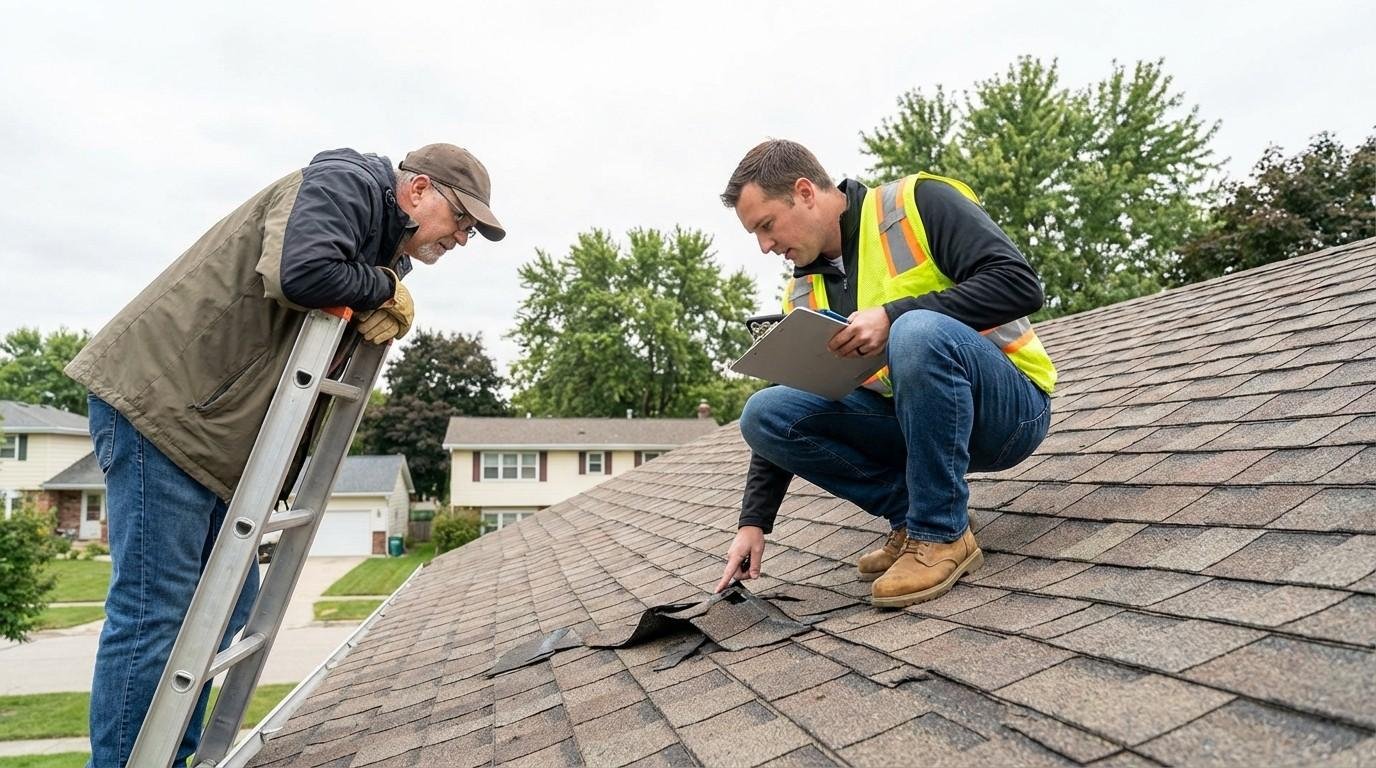
Storms can leave behind more than fallen branches and scattered debris—they can cause significant roof damage that threatens your home’s safety and value. High winds, hail, heavy rain, and flying debris can weaken roofing materials, resulting in leaks, missing shingles, and structural issues. When this happens, filing Roof Insurance Claims correctly can make a major difference in how quickly you receive compensation for repairs.
Understanding the claims process helps homeowners avoid delays, reduce stress, and improve the chances of receiving fair coverage. This guide explains the essential steps to file Roof Insurance Claims successfully after storm damage.
Inspect Your Roof Safely
Your safety should always come first. After a storm passes, avoid climbing onto the roof immediately, especially if conditions remain dangerous. Instead, inspect your property from the ground and look for visible signs of damage, including:
- Missing or curled shingles
- Fallen tree limbs on the roof
- Damaged gutters or flashing
- Loose roofing materials
- Water stains on ceilings or walls inside your home
If you suspect serious damage, contact a professional roofing contractor for a thorough inspection.
Document All Storm Damage
Proper documentation is one of the most important parts of successful Roof Insurance Claims. Take clear photographs and videos of every visible area affected by the storm.
Capture images of:
- Missing shingles
- Cracked or broken roofing materials
- Hail impacts
- Water leaks inside the home
- Damaged gutters, siding, and windows
- Fallen trees or debris
Record the date of the storm and keep notes about what happened. Detailed documentation provides valuable evidence when working with your insurance company.
Review Your Homeowners Insurance Policy
Before filing a claim, carefully read your homeowners insurance policy to understand what is covered.
Check for information regarding:
- Storm damage coverage
- Wind and hail protection
- Deductible amounts
- Claim filing deadlines
- Exclusions and limitations
Knowing your coverage helps you understand what expenses may be reimbursed and prevents unexpected surprises during the claims process.
Contact Your Insurance Company Quickly
Most insurance providers require homeowners to report damage within a certain timeframe. Contact your insurance company as soon as possible after discovering roof damage.
When reporting the claim, provide:
- Your policy number
- Date and time of the storm
- Description of the damage
- Photos and documentation
- Temporary repairs already completed
Prompt reporting demonstrates responsibility and helps move your Roof Insurance Claims forward more efficiently.
Prevent Additional Damage
Insurance companies expect homeowners to take reasonable steps to prevent further damage after a storm.
Temporary measures may include:
- Covering exposed areas with a tarp
- Removing fallen branches safely
- Collecting water leaking indoors
- Protecting valuable belongings
Keep receipts for any emergency repairs or materials purchased, as these expenses may be reimbursable under your insurance policy.
Schedule a Professional Roof Inspection
Hiring an experienced roofing contractor provides an independent assessment of your roof’s condition. Professional inspectors often identify damage that homeowners may overlook.
A roofing inspection typically includes:
- Roof surface evaluation
- Flashing inspection
- Gutter assessment
- Structural examination
- Interior leak inspection
The contractor can provide a detailed inspection report with photographs that strengthens your Roof Insurance Claims.
Meet with the Insurance Adjuster
After your claim is submitted, your insurance company will usually assign an adjuster to inspect your property.
During the inspection:
- Share your photos and documentation.
- Provide the roofing inspection report.
- Point out every area of concern.
- Ask questions about the evaluation process.
- Keep notes of the adjuster’s findings.
Having your roofing contractor present during the inspection can help ensure all storm-related damage is properly identified.
Understand the Insurance Estimate
Once the inspection is complete, your insurer will provide an estimate outlining covered repairs and settlement amounts.
Review the estimate carefully by checking:
- Covered repair items
- Material costs
- Labor costs
- Depreciation deductions
- Deductible amounts
- Payment schedule
If you believe important damage has been overlooked, discuss your concerns with the insurance company and provide additional supporting evidence.
Keep Organized Records
Maintaining organized records helps avoid confusion throughout the claims process.
Save copies of:
- Insurance correspondence
- Emails
- Inspection reports
- Repair estimates
- Receipts
- Contractor invoices
- Claim reference numbers
Well-organized documentation can simplify communication and support your claim if additional information is requested.
Choose a Trusted Roofing Contractor
Selecting a qualified roofing contractor is just as important as filing the claim correctly.
Look for a contractor who:
- Is licensed and insured
- Has experience with storm damage repairs
- Provides written estimates
- Offers workmanship warranties
- Has positive customer reviews
- Understands insurance claim procedures
A reputable contractor can help ensure repairs are completed according to industry standards while coordinating with your insurance provider when needed.
Avoid Common Roof Insurance Claims Mistakes
Many homeowners unintentionally delay or weaken their claims by making avoidable mistakes.
Common errors include:
- Waiting too long to report damage
- Failing to document the damage
- Throwing away damaged materials too soon
- Completing major repairs before the inspection
- Hiring unqualified contractors
- Ignoring policy requirements
Avoiding these mistakes increases the likelihood of a smoother claims experience.
Know When to Request a Second Inspection
Sometimes the initial insurance assessment may not include all storm-related damage. If your contractor identifies additional issues, you may request a reinspection or submit supplemental documentation.
Supporting evidence such as updated inspection reports, photographs, and repair estimates can help justify additional coverage if necessary.
Stay Patient Throughout the Process
Insurance claims often involve multiple steps, including inspections, documentation reviews, estimate approvals, and payment processing. Staying responsive and maintaining clear communication with both your insurer and roofing contractor can help prevent unnecessary delays.
Following up periodically and promptly providing requested information keeps your claim moving forward.
Final Thoughts
Storm damage can be stressful, but understanding how to file Roof Insurance Claims properly helps protect your investment and speeds up the recovery process. By documenting damage, reviewing your insurance policy, reporting the claim promptly, working with experienced roofing professionals, and keeping organized records, homeowners can significantly improve their chances of receiving fair compensation.
Whether your roof has suffered hail damage, wind damage, or heavy rain impacts, taking the right steps immediately after the storm can make all the difference. A well-prepared claim not only simplifies the insurance process but also helps restore your home’s safety, comfort, and long-term value with confidence.
