

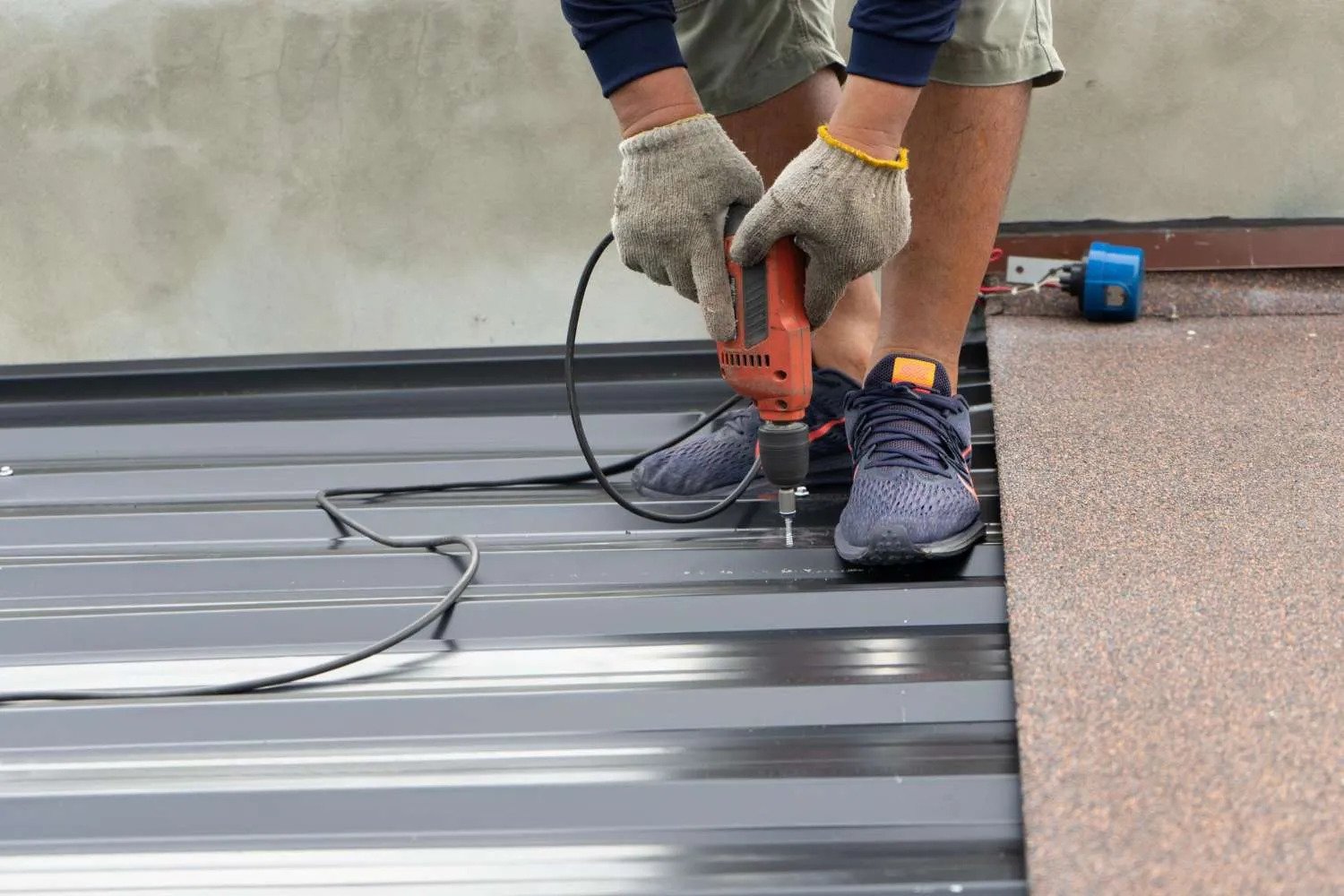
Discovering a leak or damaged section of your roof can feel stressful, especially when you are not sure whether the issue calls for a small fix or something more involved. Understanding the basics of roof repairing Natick homeowners rely on can help you make a confident decision the next time a problem shows up, instead of feeling rushed into a choice you are unsure about.
Recognizing When Repair Is Needed
Not every roofing issue requires a full replacement. Missing or cracked shingles, small areas of flashing damage around chimneys and vents, and isolated leaks are often resolved through targeted repair work rather than tearing off the entire roof. The key is catching these problems early, since a small leak left unaddressed can lead to rotted decking, damaged insulation, and even mold growth inside the attic space.
Homeowners sometimes notice warning signs without realizing what they mean. A slightly sagging section of roof, dark streaks on the ceiling, or a musty smell in the attic are all indicators that something needs a closer look. Waiting until these signs become obvious from inside the living space usually means the damage has already been developing for quite some time.
What Happens During A Proper Repair
Skilled contractors handling roof repairing Natick families need typically begin with a full inspection rather than jumping straight to conclusions based on where a leak appeared inside the home. Water can travel a surprising distance along the roof deck before finding its way through the ceiling, so tracing the actual source is an important first step. Once identified, the repair might involve replacing damaged shingles, resealing flashing, or addressing an underlying ventilation issue that contributed to the problem in the first place.
Dynamic Roofing Technologies has handled a wide range of repair projects across the area, from minor shingle replacements after storm damage to more involved fixes addressing years of accumulated wear. Their approach generally focuses on solving the root cause rather than offering a temporary patch that might fail again within a year or two.
Weighing Repair Against Replacement
Age plays a significant role in this decision. A roof that is relatively young with isolated damage is usually a strong candidate for repair. On the other hand, if a roof is approaching the end of its expected lifespan and repairs are becoming a recurring expense, a full replacement often makes more financial sense in the long run. A trustworthy contractor will walk you through this comparison honestly rather than automatically pushing for the more expensive option.
Keeping Your Roof In Good Standing
Scheduling periodic inspections, especially after major storms, is one of the simplest ways to catch problems while they are still small and manageable. Clearing debris from gutters and checking for visible damage after high winds can also help prevent minor issues from escalating.
At the end of the day, timely repairs protect both your home and your budget. Understanding what proper repair work involves, and knowing when it makes sense compared to a full replacement, puts you in a much stronger position the next time your roof needs attention.
