

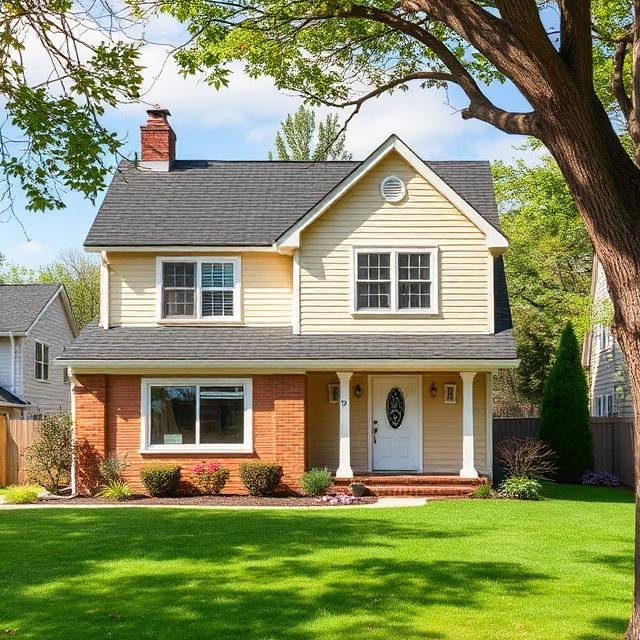
Older homes often carry electrical issues that are easy to miss unless carefully inspected. Problems like aging wiring, heavy circuit loads, and worn panels are still found during home inspections Los Angeles County. Homes may look fine on the surface, as these issues are not always immediately visible. However, they can grow into more serious risks over time if ignored.
The Importance of Addressing Electrical Issues Early
In older homes, gradual wear occurs as electrical loads increase beyond the original capacity. Minor signs such as warm outlets or stressed circuits may indicate growing safety concerns.
If not addressed in time, small issues can lead to bigger problems, including:
- Fire hazards from old wiring and circuits handling excess demand
- Electric shocks due to exposed or damaged connections
- Sudden power loss from unstable or aging systems
- Appliance damage when the voltage is not steady
6 Electrical Risks You May Find in Older Homes
Behind the walls of many older homes, there are electrical issues that can quietly create dangers most homeowners don’t notice until something goes wrong.
1. Outdated Wiring
In LA, many older homes are still using wiring systems that were not built for modern power use. Knob and tube setups are one example, with no grounding and clear safety limitations. As these systems age, the insulation may dry out and crack, causing sparks or heat buildup. There is also the issue of aluminum wiring, which moves slightly with use and can loosen connections over time. Because the process is gradual, it often goes unnoticed until it becomes more serious.
2. Old Electrical Panels
Electrical panels in many older homes were created for much lighter energy use compared to current needs. Some still use fuse boxes that cannot manage the load of several appliances working together. Certain older panels are also known to not shut off during faults, allowing heat to build up more than what is considered safe. It can appear functional from the outside, but the inside of the system may already be dealing with stress.
3. Ungrounded Outlets
Many older homes have two prong outlets that were never built with grounding in mind, even though they seem fine during regular use. This setup does not allow extra electrical current to safely move away, which can gradually raise the risk of shocks. Even with adapters in place, the main issue remains unresolved since they only bypass it. With regular use, this can also affect devices, mainly those that need a balanced and steady flow of electricity to operate without faults.
4. Overloaded Circuits
The number of outlets is usually limited in older properties, which often increases dependence on extension cords and power strips. At first, it may seem fine for everyday use, but as time goes on, circuits can take on more load than designed. Many of these homes also do not include safety features like GFCIs or AFCIs. During a 4 point home inspection, this is something inspectors tend to notice quite often. With continued use, it can develop into a very serious concern.
5. Aging Switches and Sockets
Switches and sockets may slowly wear out with time in older homes. As internal components weaken with regular use, both safety and performance are affected. Warm outlets, unusual crackling from switches, or damaged faceplates can signal early failure. These issues are usually related to loose or weakened connections that exist behind the surface. When such problems are not addressed in time, they can gradually lead to electrical faults, interruptions in system performance, or even the development of overheating conditions during regular use in most household environments over time.
6. DIY Electrical Work
In some cases, past owners may have done quick electrical fixes without proper permits or planning. Wires might be joined without proper enclosures, or circuits may be pushed beyond safe capacity. These types of changes usually stay out of sight unless a detailed check is being done. From the outside, there may be no obvious signs, so these issues are easy to overlook. As time passes, these underlying concerns can increase the risk of faults and may develop into fire related hazards.
Conclusion
Electrical systems in older properties require closer attention as they age and carry increased usage loads. A lot of issues are not noticeable at first, but they can progressively become more serious concerns. Continued inspections along with upgrades help in managing and lowering these risks. Implementing these steps strengthens safety and supports smoother operation, giving homeowners the ability to prevent unexpected issues and maintain a dependable electrical system over time.
