

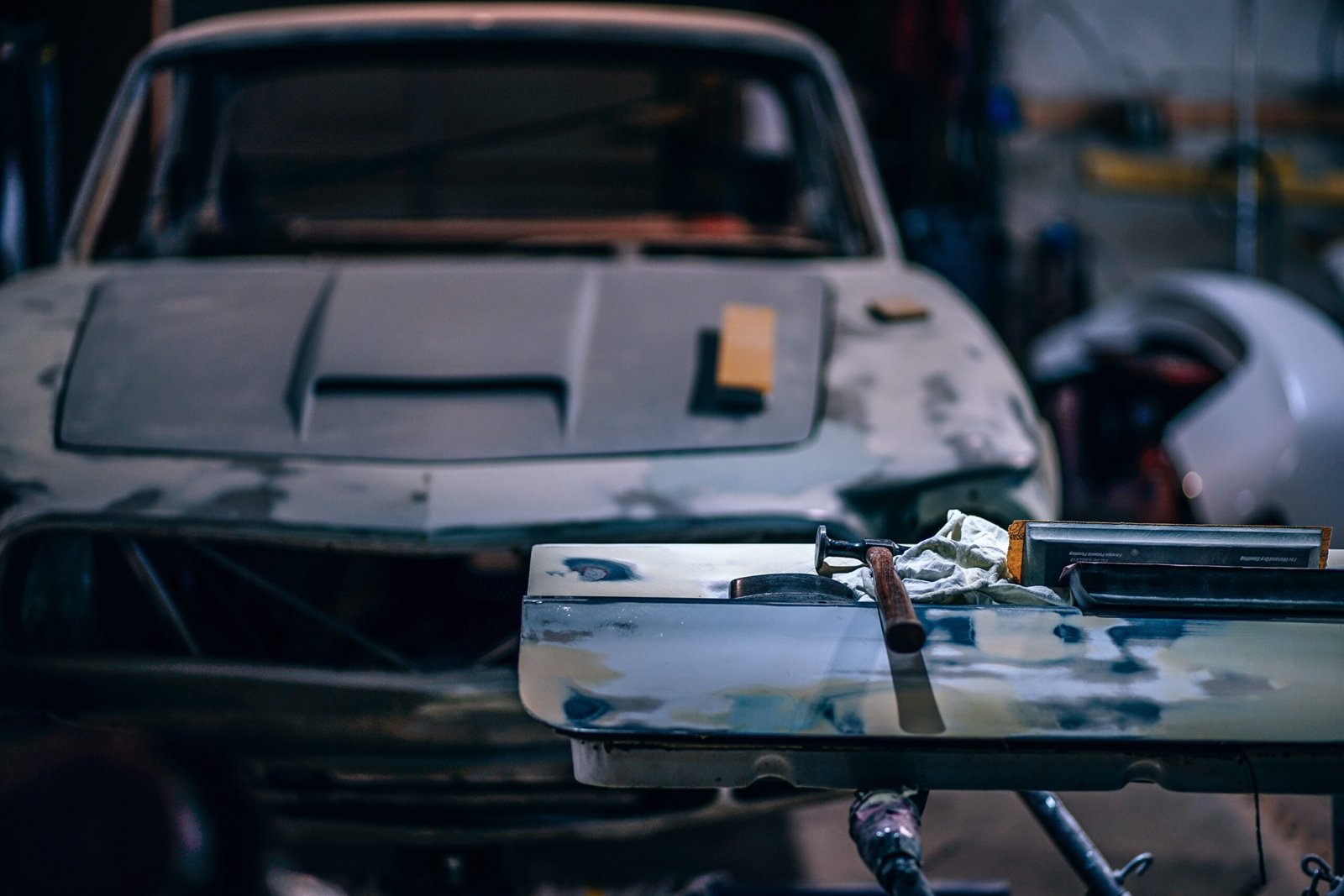
Getting into an accident is something no driver plans for, yet it happens every day. Once the initial shock wears off, most vehicle owners begin looking for a repair shop that can restore their car and get them back on the road. What many people do not realize is that there is much more to collision repair than replacing damaged parts and applying fresh paint. The best repair facilities understand details that many customers never think about, and these details can make a significant difference in the quality, safety, and longevity of a repair. Choosing a shop that specializes in Professional collision repair is often the first step toward ensuring your vehicle receives the attention and expertise it deserves. Understanding how the industry works and learning some of the secrets that experienced professionals know can help vehicle owners make smarter decisions after an accident.
Many drivers assume that all repair shops operate in the same way. In reality, there can be major differences in repair quality, technician expertise, equipment, customer service, and repair procedures. Some shops are focused on delivering lasting repairs that meet high industry standards, while others may prioritize speed over quality. Knowing what happens behind the scenes can help you identify a trustworthy facility and avoid common mistakes that many vehicle owners make.
Not All Collision Damage Is Visible
One of the biggest secrets in the collision repair industry is that visible damage rarely tells the whole story. After an accident, most people focus on dents, scratches, broken lights, or damaged bumpers. While these issues are easy to see, hidden damage beneath the surface can often be much more serious.
Even low-speed impacts can affect structural components, suspension systems, steering mechanisms, sensors, and safety equipment. The force of a collision can travel throughout the vehicle and cause damage in areas that appear untouched.
Experienced technicians understand this reality and perform thorough inspections before beginning repairs. They know that addressing visible damage alone is not enough. Proper repairs require identifying every issue caused by the accident so that the vehicle can be restored safely and completely.
Repair Quality Matters More Than Repair Speed
Many vehicle owners are eager to get their vehicles back as quickly as possible. While timely repairs are important, experienced professionals understand that quality should never be sacrificed for speed.
Some repairs require careful measurements, detailed inspections, precise adjustments, and multiple quality checks. Rushing these processes can increase the risk of mistakes and incomplete repairs.
A reputable repair center focuses on doing the job correctly rather than simply finishing it quickly. While nobody wants extended repair times, quality workmanship often provides greater long-term value than a fast turnaround that compromises repair standards.
Vehicle owners should remember that the goal is not just getting the vehicle back but getting it back in proper condition.
Modern Vehicles Are More Complex Than Ever
Many drivers still think of collision repair in terms of straightening metal panels and repainting surfaces. While these tasks remain important, modern vehicles involve far greater complexity.
Today’s vehicles contain advanced safety technologies, electronic systems, sensors, cameras, radar equipment, and driver assistance features. These components can be affected by collisions even when no obvious damage is visible.
Repairing modern vehicles requires ongoing training, specialized equipment, and detailed knowledge of manufacturer procedures. Experienced collision centers invest heavily in technician education because vehicle technology continues to evolve rapidly.
Understanding this complexity helps explain why quality collision repairs require more than basic bodywork skills.
The Cheapest Estimate Is Not Always the Best Option
One of the most common misconceptions among vehicle owners is that the lowest repair estimate automatically represents the best value. In reality, extremely low estimates can sometimes indicate missing repair operations, lower-quality materials, or incomplete assessments.
A thorough repair estimate reflects the true scope of work required to restore the vehicle properly. This may include structural repairs, diagnostics, calibration procedures, refinishing work, and quality inspections.
Experienced repair professionals understand that cutting corners often creates larger problems later. While affordability is important, vehicle owners should focus on overall repair quality rather than simply choosing the lowest price.
A properly repaired vehicle often saves money in the long run by reducing the likelihood of future issues.
Structural Repairs Are Critical to Safety
One of the lesser-known aspects of collision repair involves structural restoration. Modern vehicles are designed with carefully engineered structures that help absorb impact forces and protect occupants during accidents.
When these structures are damaged, repairs must be performed with precision. Even small deviations can affect vehicle performance and crash protection capabilities.
Experienced collision centers use advanced measuring systems to verify structural dimensions and ensure repairs meet manufacturer specifications whenever possible. These procedures may not be visible once repairs are completed, but they play a major role in vehicle safety.
The appearance of a vehicle is important, but structural integrity is what truly protects drivers and passengers.
Paint Matching Is More Difficult Than It Looks
Many people assume that matching automotive paint is a straightforward process. In reality, achieving a seamless finish can be surprisingly complex.
Factors such as vehicle age, sun exposure, weather conditions, manufacturing variations, and previous repairs can affect paint appearance. Even vehicles with the same factory paint code may display slight differences in color.
Professional refinishing technicians use advanced color matching technology, blending techniques, and careful preparation to achieve consistent results. Their goal is to make repaired areas indistinguishable from the original finish.
The quality of paint matching often separates average repairs from exceptional ones.
Calibration Has Become a Major Part of Collision Repair
Modern vehicles rely heavily on cameras, sensors, and radar systems to support safety technologies. Features such as lane departure warnings, adaptive cruise control, automatic emergency braking, and parking assistance all depend on accurate calibration.
Following a collision, these systems may require inspection and recalibration even if they appear to function normally. Failure to perform these procedures correctly can affect vehicle safety and performance.
Many vehicle owners are unaware of how important calibration has become. Experienced repair facilities understand these requirements and include them as part of comprehensive repair plans.
Proper calibration helps ensure that advanced safety features continue to operate as intended.
Quality Control Is the Secret Behind Great Repairs
One factor that often separates excellent repair facilities from average ones is their commitment to quality control. The best shops do not simply complete repairs and return vehicles to customers. Instead, they conduct detailed inspections throughout the repair process.
Quality control may include structural measurements, diagnostic scans, paint evaluations, alignment checks, road tests, and final inspections. These procedures help identify issues before the vehicle is delivered.
Customers rarely see these behind-the-scenes processes, but they play an important role in achieving consistent repair quality.
Attention to quality control reflects a commitment to professionalism and customer satisfaction.
Communication Is More Important Than Most People Realize
Another industry secret is that successful repairs depend not only on technical skills but also on effective communication. Customers often feel stressed after an accident and want clear information regarding repair progress and timelines.
Trusted repair centers prioritize communication because they understand its importance. Keeping customers informed helps reduce uncertainty and build confidence throughout the repair process.
Open communication also allows repair professionals to explain recommendations, answer questions, and address concerns before they become problems.
A positive customer experience often begins with honest and transparent communication.
Experienced Technicians See Problems Others Miss
Experience provides advantages that cannot always be taught in a classroom. Technicians who have worked on thousands of repairs develop the ability to recognize patterns and identify potential concerns quickly.
They understand how certain types of impacts affect specific vehicle systems and know where hidden damage is most likely to occur. This practical knowledge often allows them to catch issues that less experienced technicians might overlook.
Experience contributes to better diagnostics, more accurate repairs, and improved overall outcomes.
For vehicle owners, this expertise can make a significant difference in repair quality and long-term reliability.
Repair Documentation Matters
Many customers focus only on the finished repair, but documentation is another important aspect of professional collision repair. Detailed records help ensure accountability and provide valuable information about the work performed.
Repair documentation may include estimates, inspection reports, parts information, diagnostic results, and quality control records. These documents help establish transparency and support future service needs if questions arise.
Well-organized repair records are often a sign of a professional and reputable operation.
Customer Reviews Reveal Important Information
One of the most useful tools available to vehicle owners today is access to customer feedback. Reviews can provide valuable insight into repair quality, communication practices, customer satisfaction, and overall professionalism.
While individual reviews should be considered carefully, consistent patterns often reveal important information about a repair facility’s strengths and weaknesses.
Experienced collision centers earn positive reputations through years of reliable service and quality workmanship. Their reviews frequently reflect long-term customer trust and satisfaction.
Researching customer experiences can help drivers make more informed repair decisions.
Insurance Companies and Repair Shops Have Different Roles
Many vehicle owners assume that insurance companies and repair shops have identical goals. While both play important roles in the repair process, their responsibilities are different.
Insurance companies focus on claim administration and coverage decisions. Repair centers focus on restoring vehicles safely and accurately. Understanding this distinction can help customers navigate the repair process more effectively.
Experienced repair facilities work with insurance providers regularly and can often help simplify communication while ensuring repairs address the vehicle’s actual needs.
Knowledgeable guidance can make a stressful situation much easier to manage.
The Best Repairs Focus on Long-Term Results
One of the biggest secrets behind exceptional collision repair is a focus on long-term performance rather than short-term fixes. Experienced repair centers understand that quality repairs should continue delivering value years after the vehicle leaves the shop.
Their goal is to restore safety, reliability, appearance, and functionality while minimizing the risk of future problems. This commitment to lasting results helps protect both the vehicle and the owner’s investment.
Long-term thinking often separates trusted repair facilities from those focused solely on completing repairs quickly.
Conclusion
The collision repair industry involves far more complexity than many vehicle owners realize. Hidden damage, structural restoration, advanced technology, calibration requirements, paint matching challenges, and quality control procedures all play important roles in achieving successful outcomes.
By understanding these auto body shop secrets, drivers can make more informed decisions after an accident and better evaluate potential repair facilities. Choosing a repair center that values expertise, transparency, and quality can help ensure that a damaged vehicle is restored properly and safely.
Knowledge is one of the most valuable tools a vehicle owner can have. The more you understand about collision repair, the better prepared you will be to protect your vehicle, your investment, and your peace of mind.
Trusted Auto Body Repair Solutions From MTY Collision
MTY Collision is committed to helping drivers throughout the San Francisco Bay Area receive high-quality repairs backed by experience, craftsmanship, and customer-focused service. Their skilled technicians understand the complexities of modern vehicle restoration and utilize advanced repair techniques to return vehicles to factory standards whenever possible. From structural repairs and refinishing work to frame straightening, glass replacement, bumper restoration, and insurance claim assistance, MTY Collision focuses on delivering dependable results that prioritize safety and long-term performance. Drivers looking for trusted and professional Collision repair services can rely on MTY Collision for quality workmanship, honest communication, and exceptional care throughout the repair process.
