

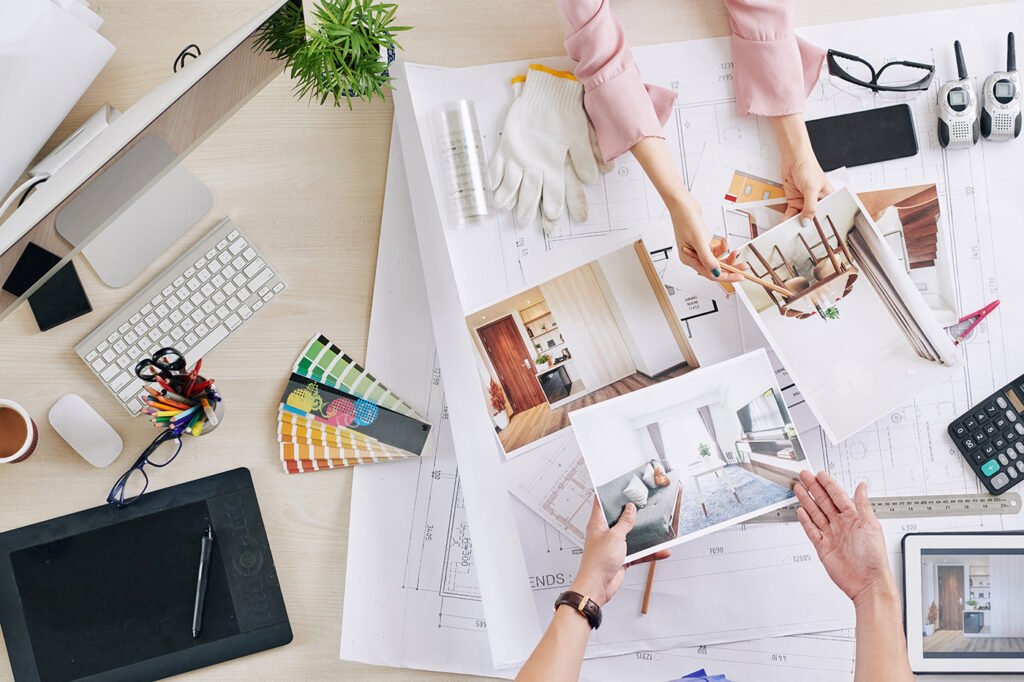
In today’s digital-first world, having a beautiful portfolio alone is no longer enough to attract consistent clients. Most homeowners, commercial property owners, and real estate developers begin their search for an interior designer online. If your business doesn’t appear on the first page of search engine results, you’re likely losing valuable opportunities to competitors with stronger online visibility.
This is where seo for interior designers becomes an essential marketing strategy. Search engine optimization helps your website rank higher on Google, attract qualified visitors, and convert those visitors into paying clients. As search algorithms evolve and artificial intelligence changes how people discover businesses, interior designers must adapt to the latest SEO trends to stay competitive.
In this article, we’ll explore eight powerful SEO trends that can help interior design businesses improve their online presence, generate high-quality leads, and build long-term brand authority.
Why SEO Matters for Interior Designers
The interior design industry has become increasingly competitive. Whether you specialize in residential homes, luxury apartments, office interiors, hospitality spaces, or commercial renovations, your potential clients are actively searching online before making a hiring decision.
An effective seo for interior designers strategy helps you:
- Increase organic website traffic
- Generate high-quality leads
- Improve local visibility
- Build trust with potential clients
- Showcase your design expertise
- Reduce dependence on paid advertising
- Achieve sustainable business growth
Unlike paid ads that stop delivering results once the budget runs out, SEO continues bringing qualified traffic over time.
1. Focus on Local SEO More Than Ever
Most interior designers serve clients within specific cities or regions. Local SEO has become one of the most important ranking factors because people typically search using location-based keywords such as:
- Interior designer near me
- Home interior designer in Austin
- Luxury interior designer in Dallas
- Commercial interior designer in Houston
Optimizing your local presence increases your chances of appearing in Google’s Local Pack and Maps listings.
Local SEO Best Practices
- Optimize your Google Business Profile
- Keep your business information consistent
- Add accurate business categories
- Upload high-quality project images
- Encourage satisfied clients to leave reviews
- Respond to every review professionally
- Include city-specific keywords naturally
- Create dedicated location pages
Local visibility often produces higher conversion rates because users searching nearby are usually ready to hire.
2. Create Helpful, Experience-Based Content
Google now rewards websites that demonstrate genuine experience and expertise.
Instead of writing generic blogs, interior designers should publish content based on real projects, practical advice, and industry knowledge.
Examples include:
- Before-and-after renovation stories
- Budget planning guides
- Color selection tips
- Furniture placement advice
- Lighting recommendations
- Small apartment design ideas
- Kitchen remodeling inspiration
- Office workspace planning
Helpful content builds trust while improving rankings.
For example, instead of publishing:
“Interior Design Ideas”
Create something like:
“10 Living Room Design Mistakes We Fixed for Our Clients”
This type of content demonstrates real experience while answering questions people actually search.
Effective seo for interior designers depends on creating content that educates, inspires, and solves problems.
3. Optimize for AI Search and Voice Search
Search behavior is changing rapidly.
People now ask conversational questions such as:
- Who is the best interior designer near me?
- How much does an interior designer cost?
- What interior style fits small apartments?
- Can an interior designer increase home value?
AI-powered search engines prefer content that provides direct, clear, and structured answers.
How to Optimize
- Use question-based headings
- Add FAQ sections
- Write conversational content
- Keep answers clear and concise
- Use structured data
- Organize information with headings
Voice search optimization also helps because many homeowners search using mobile devices or smart assistants.
4. Improve Website Speed and User Experience
Website performance has become a major Google ranking factor.
Interior designers often showcase high-resolution project galleries, which can slow down websites if not optimized.
A slow website frustrates visitors and increases bounce rates.
Ways to Improve Performance
- Compress large images
- Use modern image formats
- Minimize unnecessary scripts
- Enable browser caching
- Choose reliable hosting
- Optimize mobile performance
- Reduce page loading time
An attractive website should also be easy to navigate.
Visitors should quickly find:
- Portfolio
- Services
- About page
- Contact information
- Testimonials
- Pricing information
- Consultation booking
Great design combined with excellent usability creates a better user experience.
5. Build Topical Authority Through Content Clusters
Instead of publishing random blog posts, Google prefers websites that cover a topic comprehensively.
This approach is called topical authority.
For example, create a complete content cluster around interior design.
Pillar Page
Complete Guide to Interior Design Services
Supporting Articles
- Modern living room ideas
- Kitchen renovation planning
- Bedroom layout tips
- Office design inspiration
- Home lighting guide
- Space-saving furniture ideas
- Interior design budgeting
- Color psychology in interiors
Each article should link naturally to related pages.
This internal linking structure helps search engines understand your expertise while keeping visitors engaged.
A strong seo for interior designers strategy focuses on becoming the most trusted source within your niche.
6. Use High-Quality Visual SEO
Interior design is highly visual.
Images play a major role in attracting clients.
However, many businesses overlook image optimization.
Visual SEO Tips
Use descriptive filenames.
Example:
Instead of:
IMG_1234.jpg
Use:
modern-luxury-living-room-design.jpg
Also:
- Add descriptive ALT text
- Compress images
- Organize galleries
- Use image sitemaps
- Include captions
- Optimize file sizes
Google Images can become another valuable traffic source.
Project galleries should showcase:
- Before-and-after photos
- Room transformations
- Material selections
- Lighting improvements
- Furniture layouts
- Custom cabinetry
- Color palettes
High-quality visuals improve engagement while supporting SEO.
7. Earn High-Quality Backlinks
Backlinks remain one of Google’s strongest ranking signals.
Quality matters much more than quantity.
Instead of buying links, focus on earning them naturally.
Link Building Ideas
- Guest posting on home improvement websites
- Collaborating with architects
- Working with builders
- Partnering with real estate professionals
- Publishing research reports
- Creating downloadable design guides
- Sharing project case studies
- Participating in local business directories
Every authoritative backlink strengthens your website’s credibility.
You can also earn links through:
- Media features
- Design awards
- Industry associations
- Local chambers of commerce
- Community partnerships
Consistent link building improves long-term rankings.
8. Prioritize E-E-A-T and Trust Signals
Google increasingly evaluates websites based on Experience, Expertise, Authoritativeness, and Trustworthiness (E-E-A-T).
Potential clients also look for evidence that you’re experienced before contacting you.
Ways to Build Trust
Showcase:
- Real client testimonials
- Verified reviews
- Certifications
- Industry awards
- Years of experience
- Professional memberships
- Published case studies
- Completed project galleries
Include detailed “About Us” pages introducing your designers and highlighting their qualifications.
Project pages should explain:
- Client objectives
- Design challenges
- Solutions provided
- Materials used
- Final outcomes
This demonstrates authentic experience while improving search visibility.
Bonus SEO Tips for Interior Designers
Beyond these major trends, several additional optimization strategies can deliver meaningful results.
Optimize Every Service Page
Create individual pages for each service instead of combining everything on one page.
Examples include:
- Residential Interior Design
- Commercial Interior Design
- Office Interior Design
- Kitchen Design
- Bathroom Design
- Space Planning
- Furniture Consultation
- Interior Styling
Each page should target specific search intent.
Use Internal Linking
Link related pages throughout your website.
For example:
A kitchen remodeling article can link to:
- Kitchen design services
- Cabinet consultation
- Lighting design
- Portfolio
Internal links help both users and search engines navigate your website.
Publish Case Studies
Case studies are excellent for SEO because they demonstrate expertise while naturally incorporating relevant keywords.
Include:
- Client goals
- Design process
- Timeline
- Budget considerations
- Before-and-after photos
- Results achieved
Potential clients appreciate seeing real examples of your work.
Add Frequently Asked Questions
FAQ sections improve user experience while increasing opportunities to rank for question-based searches.
Examples:
- How much does an interior designer cost?
- How long does a project take?
- Do you offer virtual consultations?
- What areas do you serve?
- Can you work within my budget?
- Do you handle renovations?
FAQs also support voice search optimization.
Monitor SEO Performance
SEO requires continuous improvement.
Track important metrics like:
- Organic traffic
- Keyword rankings
- Conversion rates
- Contact form submissions
- Phone calls
- Bounce rate
- Page speed
- Local rankings
Use this data to refine your strategy over time.
Common SEO Mistakes Interior Designers Should Avoid
Many interior design businesses unknowingly make mistakes that limit their search visibility. Avoid these common issues:
- Using duplicate content across service pages
- Ignoring local keyword optimization
- Publishing low-quality blogs
- Forgetting image optimization
- Having slow-loading portfolio pages
- Neglecting mobile responsiveness
- Failing to update old content
- Not collecting customer reviews
- Skipping internal linking
- Overusing keywords unnaturally
Avoiding these mistakes will help create a stronger SEO foundation.
The Future of SEO for Interior Designers
SEO is evolving beyond simple keyword optimization. Artificial intelligence, personalized search results, visual search, and user experience are shaping how websites rank.
Interior designers who consistently publish valuable content, optimize for local searches, improve website performance, and demonstrate real expertise will continue to attract more qualified clients.
Rather than chasing short-term tactics, focus on building a trustworthy online presence that answers your audience’s questions and showcases your best work. Over time, this approach establishes authority and creates a steady flow of organic leads.
Conclusion
The digital landscape continues to evolve, making SEO one of the most valuable long-term investments for interior design businesses. By embracing these eight SEO trends—strengthening local SEO, creating experience-driven content, optimizing for AI and voice search, improving website speed, building topical authority, enhancing visual SEO, earning quality backlinks, and demonstrating E-E-A-T—you can significantly improve your online visibility and attract more ideal clients.
Implementing these strategies consistently will help your business stand out in a competitive market while generating sustainable organic traffic and qualified inquiries. Whether you’re an independent designer or a growing design studio, investing in seo for interior designers today will position your brand for long-term success and continued growth in an increasingly digital marketplace.
