

Industrial textile manufacturing relies heavily on speed, accuracy, and operational efficiency to meet global demands. In high volume sectors like home textiles and terry towel manufacturing, precision finishing is the defining factor that determines product quality and profit margins. Automated machinery has shifted from an optional luxury to a core requirement for surviving in a competitive market. For facilities aiming to eliminate manual errors and optimize post weaving processes, upgrading to automated finishing systems is the ultimate strategic move.
Traditional manual cutting and fabric slitting methods create major operational bottlenecks, high labor dependencies, and excessive fabric wastage. Modern production lines require continuous automated workflows capable of processing heavy material rolls seamlessly. Implementing high speed automated systems allows textile plants to maintain uniform fabric dimensions, protect material integrity, and significantly boost daily output.
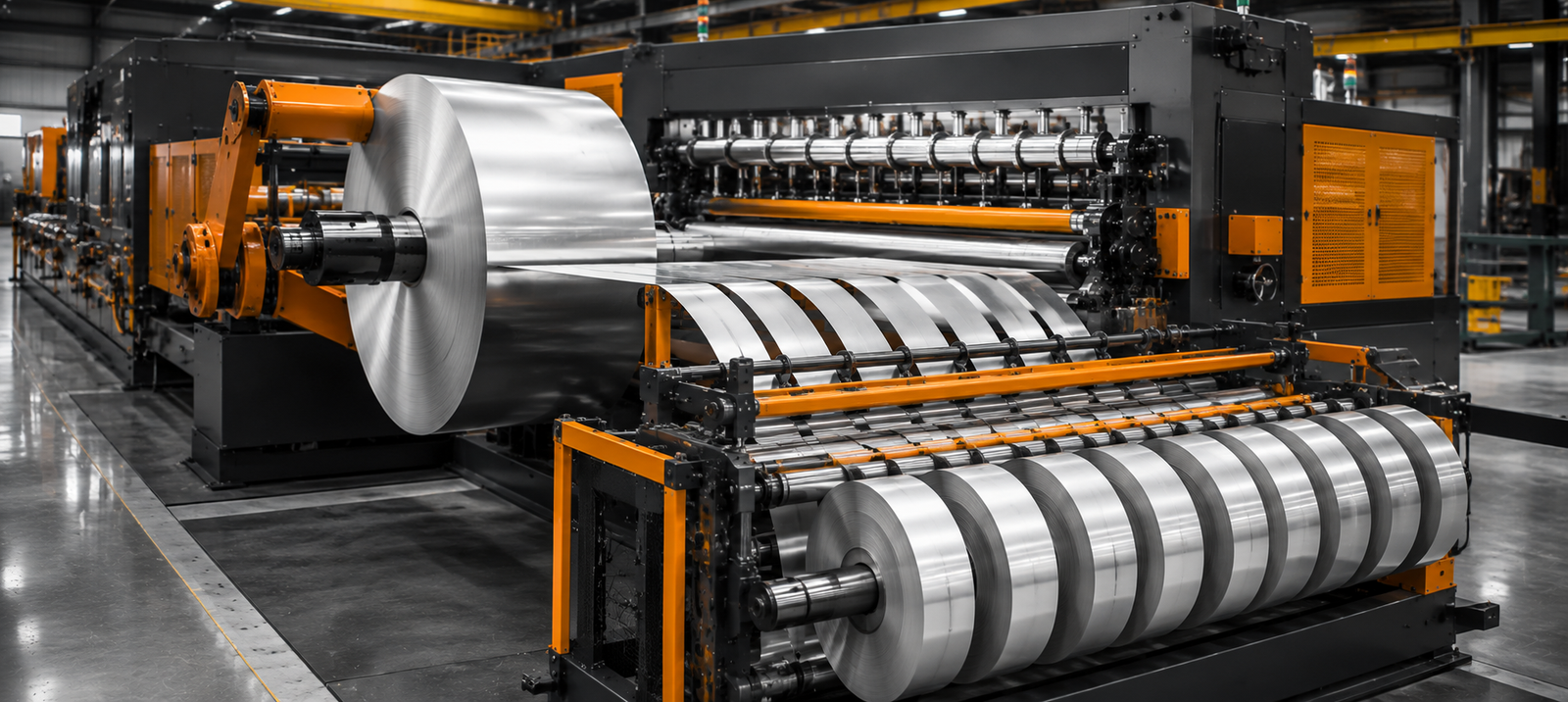
Implementing the right technical setup, such as the bando auto length slitting machine, allows factories to handle complex terry fabrics without structural fraying or uneven edges. This specific technology ensures that bulk longitudinal cutting is executed based on pre programmed parameters, bridging the gap between raw rolled fabric and retail ready sizes. Integrating advanced equipment like this protects modern mills from human error while improving overall structural consistency.
Maximizing Operational Throughput in Towel Automation
Integrating specialized towel automation equipment directly alters the velocity of production lines. Industrial slitting systems process multiple linear meters per minute, far exceeding manual capabilities. This constant processing speed ensures that upstream weaving and downstream hemming workflows remain perfectly balanced without unexpected pauses.
High output facilities depend on continuous raw material feeds, where automated tension controls prevent the stretching or distortion of soft pile fabrics. Incorporating automated slitting safeguards the delicate loops of terry towels, ensuring the fabric retains its premier texture and absorbency throughout the production cycle.
Optimizing Towel Manufacturing with High Speed Slitting Technology
Industrial textile manufacturing has entered an era where speed and precision dictate the survival of high volume production mills. Traditional cutting methods often rely heavily on manual labor which introduces issues like uneven edges, extensive material waste, and unexpected delays. As global demands for premium home textiles rise, modern factories must look toward automated finishing systems to stay competitive. Transitioning to smart machinery allows manufacturers to maintain exceptional product standards while scaling up their daily volume.
For towel manufacturers, the post weaving stage is a critical phase where errors translate directly into financial losses. Fabric rolls must be sliced cleanly along precise channels without disturbing the delicate terry loops or structural weaves. Implementing a mechanical setup that combines high speed movement with electronic optical sensing is the most effective way to eliminate human errors during the cutting process.
The Operational Mechanics of Photoelectronic Guidance
Modern fabric cutting depends on precision sensing to adjust for physical variations in woven material. Woven fabrics are not always perfectly straight as they exit the loom or the washing chambers. Physical tension variations can cause the pile channels to weave slightly, making fixed blade setups completely ineffective for long production runs.
Advanced optical guidance systems solve this problem by scanning the fabric in real time to locate the exact center of the pile lanes. The automated alignment devices utilize sensitive photoelectronic guides to detect physical parameters and automatically align the fabric before it reaches the knives. This constant feedback loop guarantees that the cutters stay aligned with the fabric weave.
Because each cutter is driven independently, the system can adapt to minor variations across multiple lanes at the same time. This means that if one section of a wide fabric roll is slightly distorted, the corresponding blade shifts independently to follow the weave while other blades remain steady. The resulting cuts are perfectly straight and free from frayed threads or damaged loops.
Achieving High Output Speeds Without Quality Losses
In high volume industrial textile production, speed is the primary metric used to evaluate machinery return on investment. Older cutting setups require slow operating speeds to prevent misalignments and structural damage to the pile. Modern automated cutting systems overcome this limitation by pairing robust mechanical components with variable speed electronic drives.
High capacity slitting equipment can achieve operating speeds ranging from thirty to fifty meters per minute depending on fabric thickness and moisture content. This rapid throughput allows mills to process thousands of meters of terry fabric during a single shift. High speed operation is carefully managed by digital speed gear regulators that maintain continuous fabric tension.
Consistent fabric tension is essential because sudden changes can cause soft terry fabrics to stretch or compress unevenly. By holding uniform physical tension across the entire processing width, the machine prevents fabric distortion. This ensures that every individual unit cut from the master roll has identical dimensional properties.
Versatility Across Various Home Textile Materials
Industrial factories rarely produce only one type of product year round. To maintain high utilization rates, machinery must have the flexibility to handle multiple fabric weights and product dimensions. Modern automated slitting platforms excel at processing a wide variety of materials including thick bath sheets, lightweight hand towels, table cloths, and bed sheets.
The ability to process different materials relies heavily on adjustable blade pressures and modular spacer systems. Operators can rapidly change the configuration of the independent cutters to accommodate varying target widths. This flexibility allows a facility to transition from cutting wide pool towels to narrow kitchen cloths in just a few minutes.
The robust cutting mechanisms are engineered to slice through dense cotton piles, delicate blended fibers, and sturdy woven borders with equal efficiency. High quality circular blades maintain their sharpness over millions of cycles, reducing the need for frequent blade changes. This adaptability ensures that the finishing department can support the diverse product offerings of the sales team.
Engineering Durability for Continuous Industrial Use
Industrial textile environments are notoriously demanding due to the high amounts of lint, dust, and physical vibration generated during operation. Machinery built for these environments must feature heavy duty frames and high quality electronic components. Heavy steel frames absorb structural vibrations, protecting the sensitive electronic alignment systems and maintaining mechanical accuracy.
Most advanced slitting systems feature enclosed electrical systems to prevent cotton fibers and dust from settling on internal circuits. Keeping the electrical cabinets clean prevents overheating and reduces the risk of electrical faults. Solid mechanical components reduce physical wear, ensuring the equipment can operate reliably through consecutive shifts.
Automated lubrication networks also play a crucial role in extending the operational lifespan of high speed moving parts. By automatically applying precise amounts of lubricant to key bearings and guide rails, the system prevents friction damage and reduces maintenance downtime. Investing in robust engineering guarantees that the machinery remains highly productive for decades.
Simplifying Production Workflows with User Friendly Controls
The complexity of modern textile machinery can sometimes create training challenges for factory personnel. To address this issue, advanced finishing systems are designed with highly intuitive operator interfaces. Colorful touchscreens show key production metrics such as operating speed, total meters processed, and real time diagnostics.
With a centralized programmable logic controller, operators can input specific parameters for different fabric styles and save them as presets. When a new batch of material arrives, the operator simply selects the correct preset on the screen, and the machine automatically configures its tension and speed. This simplicity reduces the learning curve for new employees and minimizes human errors during setup.
Real time diagnostic systems on the screen also speed up troubleshooting by identifying the exact location of any operational errors. If a thread breaks or a sensor detects an obstruction, the machine stops instantly and displays a clear message. This immediate feedback helps maintenance technicians fix issues quickly, keeping overall downtime to an absolute minimum.
Reducing Fabric Waste and Improving Mill Profitability
Raw material costs represent the single largest expenditure for home textile manufacturers. Minimizing fabric scrap during the finishing stage has a massive positive impact on the overall profitability of a factory. Manual cutting methods often require wider tolerances, which results in excessive edge trimming and high scrap rates.
Automated slitting systems solve this problem by cutting precisely in the center of the narrow selvedge spaces between the piles. This precision eliminates the need for wide safety margins, allowing mills to maximize the usable width of every fabric roll. Saving even a few millimeters of fabric per lane adds up to thousands of meters of recovered material over a year.
The clean edges produced by precise automated cuts also make downstream processes like automatic hemming much easier. Clean cut borders feed smoothly into high speed sewing machines without catching, jamming, or folding incorrectly. Improving the quality of the cut edges optimizes the performance of the entire sewing department.
Engineering Standards and Material Integrity
Industrial fabric slitting requires robust machinery frames designed to absorb heavy vibrations during continuous shifts. Structural stability guarantees that cutting blades follow exact longitudinal paths without micro deviations. Consistent mechanical alignment reduces uneven cuts and significantly extends the lifespan of internal circular blades.
Advanced slitting units feature automated sharpening mechanisms and adaptable blade placements, allowing rapid transitions between varying fabric widths. This modular adjustment capability minimizes product changeover times, enabling factories to fulfill diverse custom retail orders without prolonged machinery downtime.
Optimizing Fabric Utilization and Minimizing Waste
Fabric waste management directly impacts the profitability of high capacity textile manufacturing. Manual slitting methods often yield irregular margins, leading to costly raw material scrap. Automated longitudinal cutting platforms eliminate this issue by using laser guides and programmable edge tracking sensors to slit fabrics as close to the border as possible.
Maximizing usable fabric per roll enables textile manufacturers to lower production costs per unit while meeting environmental sustainability standards. Precision slitting creates exceptionally clean edges, which simplifies subsequent automated cross cutting and high speed hemming processes.
Smart Control Interfaces and Factory Integration
Modern textile finishing systems are governed by programmable logic controllers and intuitive touchscreens. Operators can easily configure target slitting lengths, adjust feed speeds, and monitor blade metrics through central control panels. This digital architecture enables real time troubleshooting, keeping production lines operating at peak performance.
These smart slitting platforms fit seamlessly into modern manufacturing execution systems, letting factory managers track output metrics, analyze wear on components, and schedule predictive maintenance. Transitioning to an interconnected automated ecosystem helps textile brands secure a strong position in the global supply chain.
Frequently Asked Questions
How does automated slitting improve terry towel manufacturing quality?
Automated slitting delivers perfectly straight, clean edges along the fabric length, preventing fraying and thread pulling. It ensures uniform structural sizing across millions of production cycles, which is critical for meeting strict international retail standards.
Can automated slitting machinery process varying fabric thicknesses?
Yes, industrial slitting systems are designed with adjustable blade pressure and advanced tension controllers to manage a wide range of fabric weights, from delicate light towels to heavy, dense hotel grade terry fabrics.
What is the standard operating speed of modern slitting systems?
Modern automated finishing lines can operate at speeds up to twenty meters per minute, depending on the fabric composition and structural width requirements, significantly boosting overall factory capacity.
How do automated cutting systems reduce material waste?
By using precise digital edge tracking sensors and laser guides, these machines minimize wide edge trims. They optimize the usable width of every fabric roll, turning potential scrap into profitable product yield.
What maintenance is required for high speed slitting units?
Routine maintenance includes cleaning out lint and fabric dust accumulated during operation, checking blade sharpness, monitoring automatic lubrication systems, and verifying the calibration of the digital PLC sensors.
Conclusion
Automating the fabric slitting phase is a transformative step for industrial textile mills aiming for maximum operational efficiency. Investing in high performance towel automation machinery allows manufacturers to resolve labor shortages, reduce material waste, and achieve exceptional product consistency.
The integration of advanced slitting technology with smart PLC controls optimizes the entire production workflow, from raw woven fabric rolls to perfectly sized items. Upgrading to these high volume automated solutions allows textile businesses to maximize operational throughput, lower overhead costs, and maintain a competitive edge in global manufacturing.
