

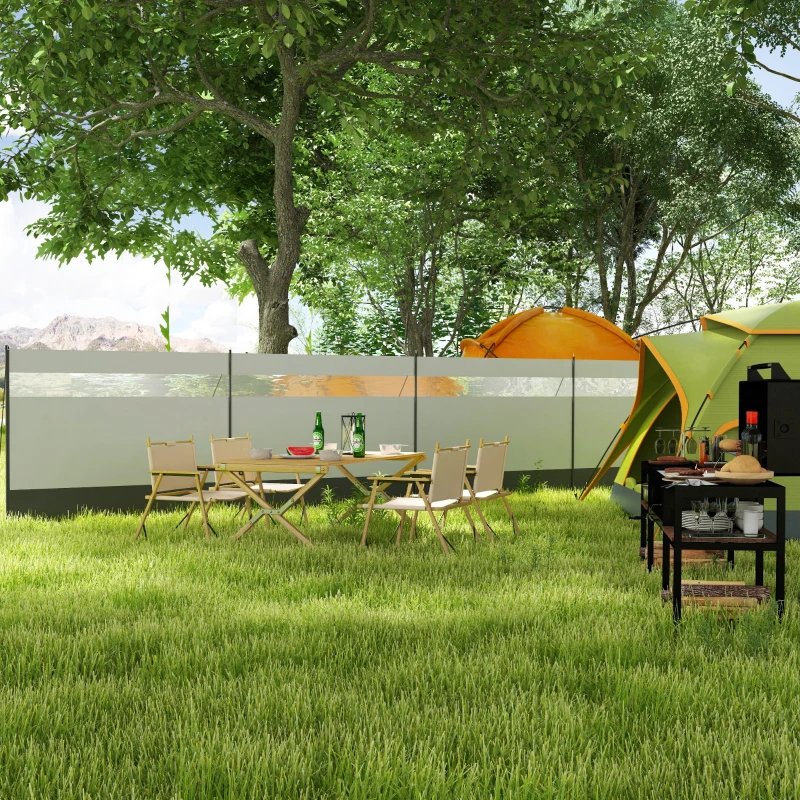
Camping near beaches, lakes, or open fields offers incredible views and a relaxing atmosphere, but strong winds can quickly turn a peaceful trip into a frustrating experience. Sand blowing into food, unstable tents, and constant cold drafts are common issues campers face in exposed environments. This is where camping windbreaks become essential gear.
A camping windbreak is a portable barrier designed to reduce wind impact around your campsite. Whether you’re cooking outdoors, relaxing on the sand, or protecting your tent setup, a good windbreak improves comfort, safety, and overall camping experience. In this article, we explore the best types of camping windbreaks for beaches and campsites, their features, and how to choose the right one.
Why Windbreaks Are Important for Camping
Windbreaks are more than just convenience accessories. They play a practical role in improving campsite conditions:
- Protection from strong winds: Reduces wind speed around your cooking or sleeping area
- Better cooking efficiency: Prevents flames from blowing out on stoves or grills
- Improved tent stability: Helps reduce pressure on tent fabric and poles
- Comfort enhancement: Creates a calm, sheltered space for relaxation
- Sand and dust control: Especially important for beach camping
Without a windbreak, even a well-planned campsite can become uncomfortable in windy conditions.
Types of Camping Windbreaks
There are several types of windbreaks available, each designed for different camping environments and needs.
1. Fabric Panel Windbreaks
These are the most common and versatile windbreaks used by campers. They usually consist of durable fabric panels supported by poles.
Key features:
- Lightweight and portable
- Easy to set up and fold
- Often made of polyester or nylon
- Available in different heights and lengths
Fabric windbreaks are ideal for general camping and beach use. They offer good protection while still being easy to carry in a backpack or vehicle.
2. Mesh Windbreak Screens
Mesh windbreaks are designed to reduce wind flow without completely blocking visibility or airflow.
Key features:
- Allows partial airflow while reducing wind speed
- More stable in strong coastal winds
- Less likely to topple compared to solid fabric
- Often used in beach camping setups
These are perfect for campers who want protection without feeling enclosed. They are especially useful in hot weather where airflow is still needed.
3. Wooden or Natural Windbreaks
Some campers use natural materials like bamboo screens or wooden slats for a more stable setup.
Key features:
- Very strong and stable
- Aesthetic and natural look
- Heavier and less portable
- Better suited for semi-permanent campsites
These are not ideal for backpacking but work well for long stays or organized campgrounds.
4. Inflatable Windbreaks
A modern option, inflatable windbreaks use air-filled chambers for structure instead of poles.
Key features:
- Quick setup and takedown
- Soft and flexible structure
- Lightweight when deflated
- Good for family camping
They are convenient but may not perform as well in extremely high winds compared to traditional options.
How to Choose the Best Camping Windbreak
Choosing the right windbreak depends on your camping style and environment. Here are some key factors to consider:
1. Wind Conditions
If you’re camping on a beach or open plain, choose a taller and sturdier windbreak. Mesh or reinforced fabric works best in strong winds.
2. Portability
For hiking or backpack camping, lightweight and foldable windbreaks are essential. Fabric or inflatable models are better suited for portability.
3. Size and Coverage
Consider how many people will use the protected area. Larger groups need longer windbreaks to create a comfortable sheltered space.
4. Material Quality
Durability is important. Look for UV-resistant, waterproof, and tear-resistant materials, especially for beach environments where sand and salt can wear down gear quickly.
5. Ease of Setup
Quick-setup windbreaks save time and effort. Pole systems with simple clips or inflatable designs are easier for beginners.
Benefits of Using Windbreaks at the Beach
Beach camping is one of the most common situations where windbreaks are essential. Benefits include:
- Keeps sand away from food and cooking areas
- Creates a private space in crowded beaches
- Reduces discomfort from constant sea breeze
- Helps secure lightweight camping gear
Without a windbreak, even basic activities like eating or relaxing can become difficult in strong coastal winds.
Common Mistakes to Avoid
Many campers make mistakes when using windbreaks for the first time:
- Setting up too loosely, causing collapse in strong wind
- Choosing a windbreak that is too short for the area
- Ignoring wind direction when positioning
- Using lightweight models in extreme conditions
Proper setup and selection significantly improve performance.
Maintenance Tips for Camping Windbreaks
To ensure long-lasting use, proper care is important:
- Clean sand and dirt after every trip
- Dry completely before storing to prevent mold
- Check poles and joints for damage
- Store in a protective carry bag
- Avoid excessive tension during setup
Good maintenance can extend the life of your windbreak for years.
Conclusion
Camping windbreaks are a simple but highly effective addition to any outdoor setup, especially for beach and open-area camping. They provide protection from wind, improve comfort, and help create a more controlled and enjoyable environment.
Whether you choose a lightweight fabric screen, a mesh barrier, or a more durable structure, the right windbreak depends on your camping style and location. Investing in a good-quality windbreak can significantly improve your outdoor experience, making your trips more comfortable, organized, and enjoyable.
FAQs
1. Can windbreaks be used in all weather conditions?
Windbreaks are mainly designed for wind protection. They are not meant to withstand heavy storms or extreme weather conditions like thunderstorms or heavy rain.
2. Are camping windbreaks suitable for backpacking trips?
Yes, but only lightweight and foldable models are suitable. Inflatable or compact fabric windbreaks are better choices for backpackers.
