

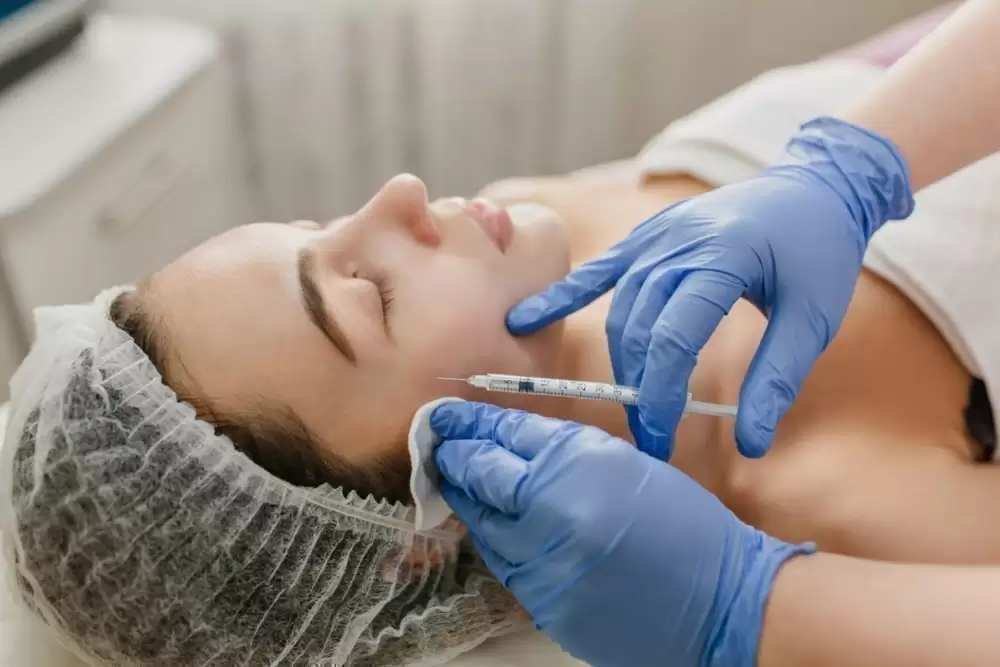
Healthy skin plays an important role in our overall well-being. Our skin protects the body from harmful elements and helps us feel confident about our appearance. However, many people experience skin problems at different stages of life. These can include acne, pigmentation, eczema, allergies, infections, hair loss, and signs of aging.
Finding the right skin specialist is important when dealing with these concerns. Professional diagnosis and treatment can help improve skin health and prevent complications.
If you are searching for the best dermatologist in dubai, it is important to understand what a dermatologist does and how to choose the right specialist for your needs. The right doctor can help you achieve healthier skin while providing personalized care and treatment options.
This guide explains everything you need to know about choosing a dermatologist, common skin conditions, available treatments, and the benefits of seeking expert care.
What Is a Dermatologist?
A dermatologist is a medical specialist who diagnoses and treats conditions affecting the skin, hair, and nails. Dermatologists have advanced training in managing a wide range of concerns, from simple skin issues to complex medical conditions.
They help patients with:
- Acne and acne scars
- Skin allergies
- Eczema
- Psoriasis
- Fungal infections
- Hair loss
- Nail disorders
- Skin pigmentation problems
- Skin cancer screening
- Cosmetic skin treatments
A dermatologist can create a treatment plan based on an individual’s specific skin condition and health needs.
Why Is Skin Health Important?
Many people focus on treating skin problems only when symptoms become severe. However, maintaining healthy skin should be a long-term priority.
Healthy skin helps:
- Protect the body from infections
- Regulate body temperature
- Prevent excessive moisture loss
- Improve confidence and self-esteem
- Detect underlying health conditions
Ignoring skin concerns may lead to worsening symptoms, discomfort, or permanent skin damage. Early diagnosis and treatment often produce better results.
Signs You Should Visit a Dermatologist
Some skin issues can be managed with basic skincare products. However, professional evaluation is important when symptoms persist or worsen.
You should consider visiting a dermatologist if you experience:
Persistent Acne
Acne that does not improve with over-the-counter products may require prescription treatments. A dermatologist can identify the cause and recommend effective solutions.
Skin Rashes
Frequent or severe rashes may indicate allergies, eczema, infections, or other skin conditions.
Unusual Moles
Changes in the size, shape, or color of moles should be evaluated by a dermatologist.
Hair Loss
Sudden or excessive hair loss can result from medical conditions, hormonal changes, or nutritional deficiencies.
Skin Discoloration
Dark spots, pigmentation, or uneven skin tone often require specialized treatment.
Chronic Itching
Persistent itching may signal underlying skin disorders that need medical attention.
Common Skin Conditions Treated by Dermatologists
Acne
Acne is one of the most common skin concerns affecting teenagers and adults. It develops when pores become clogged with oil and dead skin cells.
Symptoms include:
- Pimples
- Blackheads
- Whiteheads
- Cysts
- Acne scars
Treatment options may include topical medications, oral medicines, chemical peels, or laser procedures.
Eczema
Eczema causes inflammation, redness, dryness, and itching. It can affect both children and adults.
Triggers may include:
- Allergies
- Stress
- Environmental factors
- Irritating skincare products
Dermatologists help control symptoms through personalized treatment plans.
Psoriasis
Psoriasis is a chronic autoimmune condition that causes thick, scaly patches on the skin.
Common symptoms include:
- Red patches
- Dry skin
- Itching
- Cracking skin
Although there is no permanent cure, proper treatment can help manage symptoms effectively.
Rosacea
Rosacea causes facial redness, visible blood vessels, and sometimes acne-like bumps.
Early diagnosis can help reduce flare-ups and improve skin appearance.
Hyperpigmentation
Hyperpigmentation occurs when certain areas of the skin become darker than the surrounding skin.
Common causes include:
- Sun damage
- Acne scars
- Hormonal changes
- Skin injuries
Various treatment options can help improve skin tone and texture.
Skin Infections
Bacterial, fungal, and viral infections can affect the skin and require medical treatment.
Symptoms may include:
- Redness
- Swelling
- Pain
- Blisters
- Itching
Early treatment helps prevent complications.
Cosmetic Dermatology Services
Many dermatologists also provide cosmetic procedures that enhance skin appearance and address signs of aging.
Chemical Peels
Chemical peels remove damaged outer skin layers and promote healthier skin growth.
Benefits include:
- Improved skin texture
- Reduced pigmentation
- Fewer acne scars
- Brighter complexion
Laser Treatments
Laser technology is used for various skin concerns.
It may help treat:
- Pigmentation
- Acne scars
- Wrinkles
- Sun damage
- Unwanted hair
Botox and Fillers
These treatments help reduce facial lines and restore volume to the skin.
Results are typically temporary and require maintenance sessions.
Skin Tightening
Non-surgical skin tightening treatments stimulate collagen production and improve skin firmness.
Microneedling
Microneedling creates tiny skin injuries that stimulate natural healing and collagen production.
Benefits include:
- Reduced scars
- Improved texture
- Smaller pores
- Smoother skin
How to Choose the Best Dermatologist
Selecting the right dermatologist can make a significant difference in treatment outcomes.
Check Qualifications
Always choose a dermatologist with proper medical qualifications and specialized dermatology training.
Professional credentials indicate that the doctor has received appropriate education and expertise.
Evaluate Experience
Experience matters when treating skin conditions. Dermatologists who regularly manage specific concerns often have a deeper understanding of treatment options.
Read Patient Reviews
Patient feedback can provide insight into:
- Treatment quality
- Communication skills
- Clinic environment
- Overall patient satisfaction
Reviews may help you understand what to expect.
Consider Available Treatments
A modern dermatology clinic should offer a wide range of medical and cosmetic services.
Access to advanced technology often allows for more effective treatment options.
Look for Personalized Care
Every person’s skin is different. A good dermatologist develops customized treatment plans rather than offering identical solutions to every patient.
Comfort and Communication
Choose a specialist who listens carefully and answers questions clearly.
Good communication helps build trust and improves the treatment experience.
Questions to Ask During Your Consultation
Before beginning treatment, consider asking the following questions:
- What is causing my skin condition?
- What treatment options are available?
- How long will treatment take?
- Are there any side effects?
- What results can I expect?
- How can I maintain healthy skin at home?
These questions help patients better understand their condition and treatment plan.
Benefits of Visiting a Dermatologist Early
Many people delay seeking professional help because they assume skin problems will resolve on their own.
Early consultation offers several advantages:
Faster Diagnosis
Identifying the problem early allows treatment to begin sooner.
Better Treatment Results
Many skin conditions respond more effectively when treated during the early stages.
Prevention of Complications
Untreated skin conditions may worsen over time and become more difficult to manage.
Improved Confidence
Healthy skin often contributes to greater self-esteem and emotional well-being.
Tips for Maintaining Healthy Skin
Professional treatment is important, but daily skincare habits also play a major role.
Use Sunscreen Daily
Sun protection helps prevent:
- Premature aging
- Sunburn
- Pigmentation
- Skin cancer
Choose a broad-spectrum sunscreen and apply it regularly.
Stay Hydrated
Drinking enough water supports overall skin health.
Follow a Healthy Diet
Nutrient-rich foods can contribute to healthier skin.
Focus on:
- Fruits
- Vegetables
- Whole grains
- Lean proteins
Avoid Harsh Products
Using too many aggressive skincare products may irritate the skin and worsen existing conditions.
Cleanse Gently
Wash your face with a mild cleanser suitable for your skin type.
Follow Professional Advice
Always follow the dermatologist’s recommendations regarding skincare products and treatments.
Why Dubai Is a Leading Destination for Dermatology Care
Dubai has become a recognized destination for advanced medical and cosmetic dermatology services.
Patients benefit from:
- Modern medical facilities
- Advanced treatment technologies
- Comprehensive skincare services
- Experienced specialists
- Personalized treatment plans
Whether you need medical treatment for a skin condition or cosmetic procedures to improve appearance, Dubai offers access to high-quality dermatology care.
Conclusion
Choosing the best dermatologist in dubai is an important step toward achieving healthier skin and addressing both medical and cosmetic concerns. A qualified dermatologist can accurately diagnose skin conditions, recommend effective treatments, and guide you toward long-term skin health.
Whether you are dealing with acne, eczema, pigmentation, hair loss, or signs of aging, professional care can help you achieve better results. For individuals seeking expert dermatology care, Dr. Mayur Bhobe offers professional evaluation and personalized treatment solutions designed to support healthy, beautiful skin.
