

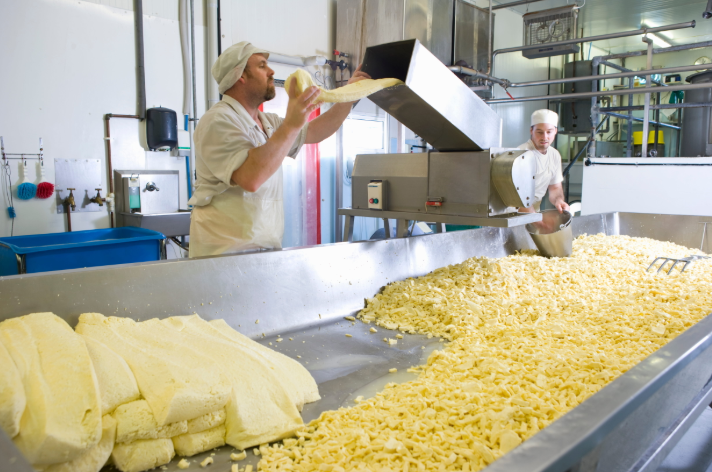
The modern food industry depends on interconnected networks that ensure products move smoothly from farms and processing facilities to retailers and consumers. As global demand for food continues to rise, businesses must focus on creating systems that prioritize safety, quality, and efficiency. Effective food supply chain management plays a critical role in maintaining product integrity while reducing operational risks. At the same time, preventing food contamination remains essential for protecting public health and maintaining consumer trust. By implementing best practices across every stage of the network, organizations can build resilient food systems that support long-term growth and sustainability.
Understanding the Importance of Safe Food Networks
Food networks involve multiple stakeholders, including producers, processors, distributors, transport providers, retailers, and regulatory bodies. Each participant contributes to the movement and handling of food products. Any weakness in this chain can lead to quality issues, delays, or safety hazards.
A safe and efficient food network minimizes waste, maintains product freshness, and ensures compliance with food safety standards. Organizations that invest in robust systems are better equipped to meet customer expectations and adapt to changing market conditions.
Strengthening Supply Chain Visibility
Implement End-to-End Tracking
Visibility is one of the most important elements of successful food supply chain management. Businesses should establish systems that allow them to monitor products from their point of origin to their final destination.
Real-time tracking technologies help organizations identify bottlenecks, monitor shipment conditions, and respond quickly to disruptions. Enhanced transparency also makes it easier to verify compliance with safety regulations and quality standards.
Use Data for Better Decision-Making
Data analytics enables businesses to forecast demand, manage inventory levels, and optimize transportation routes. Accurate information helps reduce delays and improves resource utilization.
When stakeholders have access to reliable data, they can make informed decisions that improve overall network performance while reducing costs.
Prioritizing Food Safety at Every Stage
Establish Strict Hygiene Protocols
Maintaining high hygiene standards throughout the food network is essential. Facilities should implement regular cleaning schedules, sanitation procedures, and employee hygiene requirements.
Workers must receive proper training on handling food safely and recognizing potential hazards. Consistent adherence to these practices significantly reduces the risk of food contamination.
Monitor Critical Control Points
Food safety systems should identify and monitor critical control points where hazards are most likely to occur. Regular inspections and testing can help detect issues before they affect product quality.
Temperature monitoring, equipment maintenance, and proper storage conditions are key components of an effective safety strategy.
Enhancing Supplier and Partner Collaboration
Select Reliable Suppliers
Building a strong network begins with choosing trustworthy suppliers who follow recognized quality and safety standards. Organizations should conduct regular audits and assessments to evaluate supplier performance.
Reliable partnerships contribute to consistent product quality and reduce the likelihood of disruptions within the supply chain.
Encourage Open Communication
Clear communication among all stakeholders improves coordination and problem-solving. Sharing information about inventory levels, transportation schedules, and safety concerns helps organizations respond more effectively to challenges.
Collaborative relationships create stronger networks that can adapt to changing market demands and unexpected events.

Leveraging Technology for Efficiency
Adopt Digital Management Systems
Technology has transformed the way food businesses operate. Digital platforms can streamline inventory management, order processing, and logistics coordination.
Advanced software solutions support food supply chain management by improving accuracy, reducing manual errors, and enhancing operational visibility. These tools also facilitate compliance reporting and documentation.
Utilize Automation Where Appropriate
Automation can improve efficiency in warehousing, packaging, and transportation processes. Automated systems help reduce labor-intensive tasks while maintaining consistency and accuracy.
By integrating automation strategically, businesses can increase productivity without compromising safety or quality.
Managing Risks Proactively
Develop Contingency Plans
Unexpected disruptions such as natural disasters, transportation delays, or supply shortages can affect food networks. Organizations should create contingency plans that outline response procedures for various scenarios.
Preparedness enables businesses to maintain operations and minimize the impact of disruptions on customers and partners.
Conduct Regular Risk Assessments
Risk assessments help organizations identify vulnerabilities and implement preventive measures. These evaluations should cover operational processes, supplier reliability, transportation systems, and food safety practices.
A proactive approach reduces exposure to hazards and strengthens overall network resilience.
Reducing Waste and Promoting Sustainability
Improve Inventory Management
Efficient inventory practices help prevent overstocking and product spoilage. Accurate demand forecasting ensures that businesses maintain appropriate stock levels while minimizing waste.
Reducing waste not only improves profitability but also supports environmental sustainability goals.
Optimize Transportation Practices
Transportation plays a significant role in food network efficiency. Businesses should optimize delivery routes, consolidate shipments when possible, and maintain vehicles properly.
Efficient transportation reduces fuel consumption, lowers operating costs, and ensures products reach their destinations in optimal condition.

Preventing Contamination Through Continuous Monitoring
Implement Regular Testing Programs
Routine testing is essential for identifying potential safety concerns before products enter the market. Testing programs should evaluate raw materials, processing environments, and finished products.
Continuous monitoring helps organizations detect and address food contamination risks early, protecting both consumers and business reputations.
Promote a Food Safety Culture
Creating a culture of food safety requires commitment from leadership and employees alike. Staff members should understand their responsibilities and actively participate in maintaining safety standards.
Regular training sessions, performance evaluations, and awareness programs reinforce the importance of preventing food contamination throughout the network.
Investing in Workforce Development
Train Employees Continuously
The effectiveness of any food network depends on the knowledge and skills of its workforce. Ongoing training ensures employees stay informed about industry regulations, safety protocols, and technological advancements.
Well-trained personnel contribute to operational excellence and support efficient food supply chain management practices.
Build Leadership Capabilities
Strong leadership is essential for managing complex food networks. Leaders should be equipped to make strategic decisions, address challenges, and foster collaboration among stakeholders.
Investing in leadership development strengthens organizational performance and promotes long-term success.
Conclusion
Building safe and efficient food networks requires a combination of strong governance, advanced technology, effective collaboration, and a commitment to continuous improvement. Organizations that focus on safety, transparency, workforce development, and sustainability are better positioned to meet evolving consumer expectations and industry requirements. By strengthening operational practices and investing in skilled professionals, businesses can create resilient food systems that deliver consistent value. FICSI supports this objective through its focus on skilling, certification, capacity building, placement, and entrepreneurship initiatives that help strengthen capabilities within the food processing industry.
