

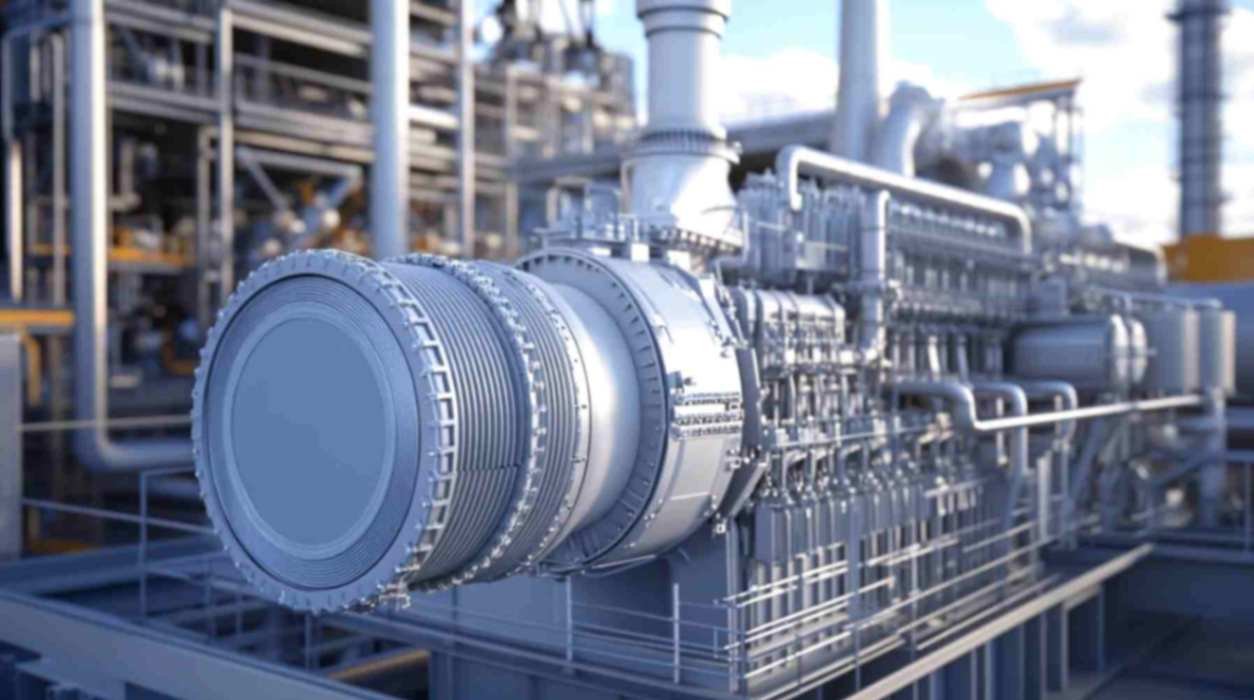
Gas turbines are essential components in industries such as power generation, aviation, oil and gas, and manufacturing. These machines operate under high temperatures and pressure conditions, making regular servicing critical for long-term efficiency and reliability. Proper maintenance planning not only improves operational stability but also reduces downtime, extends equipment life, and increases overall productivity. Businesses that invest in gas turbine repair and overhaul strategies often experience smoother performance and better energy efficiency throughout the operational cycle.
Understanding the Importance of Gas Turbine Maintenance
Gas turbines are highly engineered systems that require precision care. Since these machines operate continuously in demanding environments, even small wear patterns can affect performance. Maintenance helps ensure that all internal components continue to function correctly while maintaining fuel efficiency and safety standards.
Regular inspection and servicing also help industries maintain uninterrupted operations. A well-maintained turbine can deliver stable output while reducing unexpected shutdowns. Proper maintenance planning further supports compliance with industrial standards and environmental regulations.
Another important advantage is cost optimization. Preventive maintenance programs reduce the likelihood of major failures, helping organizations avoid expensive emergency repairs and production losses.
The Role of Preventive Maintenance
Improved Operational Reliability
Preventive maintenance focuses on identifying potential issues before they become serious problems. Scheduled servicing allows technicians to inspect turbine components, monitor system conditions, and replace worn parts at the right time.
This approach improves reliability because equipment remains in healthy operating condition. It also minimizes interruptions in industrial processes, helping facilities maintain consistent productivity levels.
Extended Equipment Lifespan
Gas turbines represent a significant investment for any business. Proper maintenance extends the service life of critical components such as blades, combustors, bearings, and rotors.
Routine cleaning, lubrication, alignment checks, and component balancing reduce stress on the machinery. This helps turbines operate efficiently for many years without unnecessary deterioration.
Enhanced Fuel Efficiency
A turbine operating in optimal condition consumes fuel more effectively. Dirty filters, damaged blades, or improper airflow can reduce combustion efficiency and increase fuel consumption.
Preventive maintenance ensures that airflow systems remain clean and combustion chambers function properly. As a result, industries can achieve better energy output while lowering operational expenses.
Key Best Practices for Gas Turbine Maintenance
Conduct Regular Inspections
Frequent inspections are among the most important maintenance practices. Visual examinations and diagnostic testing help identify wear, corrosion, vibration, and thermal stress.
Inspection schedules should include:
Combustion System Checks
The combustion system should be examined for signs of cracking, deposits, or uneven burning patterns. Early detection allows technicians to restore performance quickly.
Blade and Rotor Evaluation
Turbine blades and rotors operate under extreme temperatures and rotational speeds. Regular evaluation helps detect surface wear and imbalance issues before they affect performance.
Bearing and Lubrication Assessment
Bearings support rotating components and require proper lubrication for smooth operation. Monitoring lubrication systems reduces friction and protects against overheating.
Use Advanced Monitoring Systems
Modern turbines benefit from advanced monitoring technologies that provide real-time performance insights. Sensors and automated systems help maintenance teams track operational parameters continuously.
Temperature Monitoring
Excessive temperatures can damage internal components and reduce efficiency. Monitoring systems allow operators to identify abnormal heat levels early.
Vibration Analysis
Vibration monitoring helps detect imbalance, misalignment, and mechanical stress. Addressing these issues quickly prevents larger mechanical complications.
Performance Data Tracking
Tracking fuel consumption, pressure ratios, and airflow patterns enables facilities to optimize turbine efficiency and maintenance planning.
Prioritize Component Cleaning
Clean components contribute significantly to turbine efficiency. Dust, debris, and contaminants can accumulate inside the system over time, reducing airflow and heat transfer performance.
Air Filter Maintenance
Air filters prevent contaminants from entering the turbine. Cleaning or replacing filters regularly improves airflow and protects internal components.
Compressor Cleaning
Compressor sections should be cleaned periodically to remove deposits that reduce aerodynamic performance. Cleaner compressors improve energy efficiency and output stability.
Combustion Chamber Cleaning
Maintaining clean combustion chambers supports better fuel combustion and lower emissions. This also helps reduce thermal stress within the system.
Focus on Lubrication Management
Lubrication plays a major role in protecting moving components. Proper lubrication minimizes friction, reduces wear, and supports smooth operation.
Use High-Quality Lubricants
Selecting suitable lubricants improves thermal stability and equipment protection. High-quality oils also perform better under extreme operating conditions.
Monitor Oil Condition
Oil analysis helps detect contamination, oxidation, and metal particles. Regular testing provides valuable insights into equipment condition.
Maintain Proper Lubrication Intervals
Following recommended lubrication intervals ensures that components continue operating efficiently without excessive wear.
Benefits of Skilled Technical Support
Gas turbine systems require experienced technicians with specialized knowledge. Skilled professionals understand turbine dynamics, operational standards, and advanced repair techniques.
Accurate Diagnostics
Experienced technicians can quickly identify performance issues and recommend effective corrective actions. Accurate diagnostics reduce maintenance delays and improve efficiency.
Precision Repairs
Professional repair methods help restore turbine performance while maintaining component integrity. Precision workmanship also supports long-term reliability.
Efficient Maintenance Planning
Technical experts can create customized maintenance schedules based on operating conditions, load demands, and equipment age.
Importance of Scheduled Overhauls
Overhauls are comprehensive maintenance procedures designed to restore turbines to peak operating condition. These scheduled activities involve detailed inspections, part replacements, and system calibration.
Restoring Performance Efficiency
Overhauls help eliminate accumulated wear and restore optimal operating conditions. This improves power output and operational stability.
Reducing Downtime Risks
Planned overhauls minimize the risk of sudden failures. Facilities can schedule maintenance during convenient operational periods, reducing production disruptions.
Enhancing Safety Standards
Well-maintained turbines operate more safely because all components are inspected and serviced according to industry guidelines.
Digital Technologies in Turbine Maintenance
Modern industries increasingly use digital technologies to improve maintenance accuracy and efficiency.
Predictive Maintenance Systems
Predictive maintenance tools analyze operating data to forecast maintenance requirements. This allows facilities to address issues proactively.
Remote Monitoring Solutions
Remote monitoring systems allow engineers to assess turbine performance from different locations. Quick access to operational data supports faster decision-making.
Data-Driven Maintenance Strategies
Digital analytics help maintenance teams identify performance trends and optimize service schedules for better efficiency.
Environmental Advantages of Proper Maintenance
Well-maintained gas turbines contribute to cleaner industrial operations and improved environmental performance.
Lower Emissions
Efficient combustion systems produce fewer emissions, helping industries meet environmental regulations more effectively.
Reduced Energy Waste
Optimized turbines convert fuel into energy more efficiently, reducing unnecessary fuel consumption.
Sustainable Operations
Long-lasting equipment supports sustainability goals by reducing material waste and extending asset life cycles.
Building an Effective Maintenance Program
A structured maintenance program ensures consistent turbine performance and operational reliability.
Develop Clear Maintenance Schedules
Maintenance activities should follow organized schedules based on operating hours and equipment requirements.
Train Maintenance Personnel
Regular training keeps technicians updated on modern repair methods and safety practices.
Maintain Accurate Documentation
Detailed maintenance records help track equipment history, identify recurring trends, and improve future planning.
The Value of Reliable Spare Parts
Using quality replacement parts is essential for maintaining turbine performance and durability.
Improved Compatibility
High-quality components fit correctly and operate efficiently within the turbine system.
Better Durability
Reliable spare parts withstand demanding operating conditions more effectively.
Consistent Performance
Properly designed components help maintain stable power generation and operational efficiency.
Final Thought
Gas turbine maintenance is a critical investment that directly influences efficiency, reliability, and operational success. By following preventive maintenance practices, conducting regular inspections, using advanced monitoring systems, and scheduling professional overhauls, industries can maximize equipment performance while reducing downtime and operational costs. A well-planned maintenance strategy also supports safety, sustainability, and long-term productivity. Organizations that prioritize gas turbine repair and overhaul services can achieve dependable performance and stronger operational stability for years to come.
