

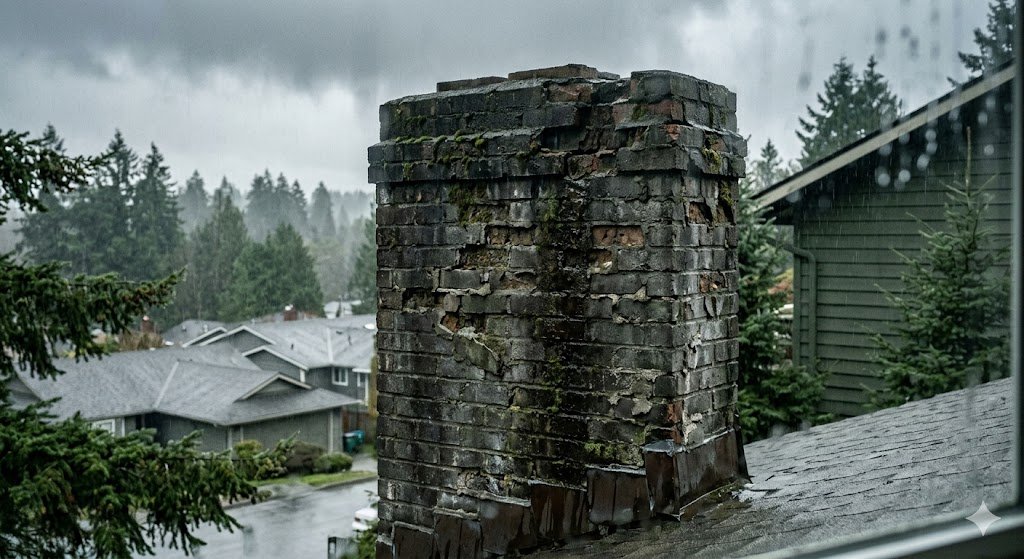
A well-maintained fireplace adds warmth, comfort, and value to your home, but it also requires regular care to remain safe and efficient. Many homeowners assume their chimney is in good condition because it appears fine from the outside. Unfortunately, hidden issues such as cracked flue liners, damaged masonry, moisture intrusion, or creosote buildup often go unnoticed until they become expensive or dangerous.
This is why chimney inspection and chimney repair go hand in hand. An inspection identifies existing or potential problems, while timely repairs restore the chimney’s structural integrity and prevent further damage. Together, these services help protect your home from fire hazards, carbon monoxide leaks, and costly structural repairs.
In this guide, we’ll explain why regular inspections matter, when repairs become necessary, and how both services work together to keep your chimney performing at its best.
What Is a Chimney Inspection?
A chimney inspections is a professional evaluation of your entire chimney system. Certified technicians examine every accessible component to ensure it is safe, structurally sound, and operating correctly.
During an inspection, professionals typically check:
- Chimney crown and cap
- Flashing around the roof
- Masonry and mortar joints
- Flue liner condition
- Smoke chamber
- Firebox
- Damper functionality
- Signs of water damage
- Creosote accumulation
- Blockages caused by nests or debris
The purpose of a chimney inspection is to detect issues early before they develop into serious safety risks or costly repairs.
Why Regular Chimney Inspection Matters
Many chimney problems begin as small defects that are difficult to notice without specialized equipment. Minor cracks, loose bricks, or damaged liners can worsen over time due to weather, moisture, and repeated heating cycles.
Scheduling regular inspections provides several important benefits:
Improved Fire Safety
Creosote buildup is one of the leading causes of chimney fires. Inspections identify dangerous deposits that require cleaning before they ignite.
Better Indoor Air Quality
A blocked or damaged flue may prevent smoke and harmful gases from venting properly, allowing carbon monoxide to enter your home.
Early Problem Detection
Small cracks, water leaks, and deteriorating mortar can be repaired before they require major reconstruction.
Lower Long-Term Costs
Routine inspections often prevent expensive structural repairs by identifying damage while it is still manageable.
Extended Chimney Lifespan
Regular maintenance helps preserve masonry, liners, and other critical components for many years.
Common Problems Found During a Chimney Inspection
Professional inspectors frequently discover issues that homeowners cannot see from ground level.
Common findings include:
- Cracked chimney liners
- Missing mortar joints
- Spalling bricks
- Water penetration
- Rusted dampers
- Damaged chimney caps
- Broken chimney crowns
- Animal nests
- Excessive creosote buildup
- Leaning chimney structures
Finding these problems early allows homeowners to schedule chimney repair before the damage becomes severe.
When Chimney Repair Becomes Necessary
Once an inspection identifies damage, prompt chimney repair is essential. Delaying repairs often allows moisture to spread deeper into the masonry, causing larger structural problems.
Professional chimney repair services may include:
Masonry Repairs
Damaged bricks and deteriorating mortar are replaced to restore strength and prevent water intrusion.
Crown Repair
The concrete crown protects the chimney from rain and snow. Cracks should be sealed or rebuilt before moisture enters the structure.
Flue Liner Repair
A damaged liner can expose combustible materials to high temperatures and increase fire risk.
Flashing Replacement
Leaking flashing around the chimney base often causes roof leaks and interior water damage.
Chimney Cap Installation
A new cap keeps rain, birds, leaves, and animals out while improving ventilation.
Waterproofing
Professional waterproofing treatments help prevent moisture absorption without trapping interior humidity.
Signs You Need Both Chimney Inspection and Chimney Repair
Many homeowners don’t realize their chimney needs attention until obvious symptoms appear.
Watch for these warning signs:
- Smoke entering your living space
- Strong fireplace odors
- Cracked bricks
- White staining (efflorescence)
- Loose mortar joints
- Water leaks near the fireplace
- Rust on metal components
- Pieces of tile in the firebox
- Chimney leaning or separating from the house
- Visible cracks around the chimney crown
If you notice any of these issues, schedule a professional chimney inspection immediately.
How Often Should You Schedule a Chimney Inspection?
Most fireplace safety organizations recommend a professional chimney inspection at least once each year, even if the fireplace is used only occasionally.
Annual inspections are especially important if:
- You burn wood regularly.
- You recently purchased a home.
- Your home is over 20 years old.
- Severe storms have occurred.
- You notice smoke drafting problems.
- You are preparing for the winter heating season.
Routine inspections provide peace of mind and reduce the likelihood of emergency repairs.
Why Professional Chimney Repair Is Worth the Investment
Although small cracks may appear harmless, improper repairs can hide serious structural issues. Professional technicians have the experience, safety equipment, and specialized tools needed to diagnose and repair problems correctly.
Hiring experts ensures:
- Accurate diagnosis
- Long-lasting repairs
- Compliance with building standards
- Proper waterproofing
- Safe fireplace operation
- Reduced fire risks
- Better home value
Professional repairs also help maintain manufacturer warranties on certain chimney components.
Tips to Keep Your Chimney in Excellent Condition
Preventive maintenance is the best way to reduce repair costs.
Follow these simple practices:
- Schedule an annual chimney inspection.
- Burn only seasoned hardwood.
- Keep the chimney cap in good condition.
- Repair water leaks immediately.
- Have creosote professionally removed.
- Avoid burning trash or treated wood.
- Monitor the chimney after severe weather.
- Address minor damage before it spreads.
Consistent maintenance significantly extends the life of your entire chimney system.
Final Thoughts
Your chimney plays a critical role in keeping your home safe, comfortable, and energy-efficient. While a chimney inspection helps uncover hidden problems before they become hazardous, timely chimney repair ensures those issues are resolved before causing extensive damage.
Rather than waiting for visible signs of deterioration, homeowners should make annual inspections and prompt repairs part of their regular home maintenance routine. This proactive approach not only protects your investment but also provides peace of mind every time you light your fireplace.
Whether your chimney is brand new or decades old, combining regular chimney inspection services with professional chimney repair is the smartest way to ensure years of safe, reliable performance.
