

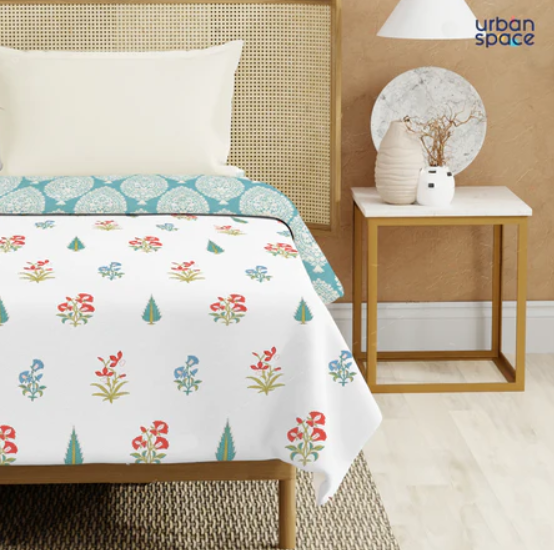
Buying a new comforter sounds simple enough. You find a design you like, pick a size, and place the order. But once it arrives, many people realize their purchase isn’t as comfortable as they expected.
Maybe it feels too warm. Maybe it looks great on the bed but isn’t practical for everyday use. Or perhaps it loses its shape after a few washes.
The truth is, most comforter-related disappointments come from a handful of common buying mistakes. The good news? They’re easy to avoid once you know what to look for.
If you’re planning to invest in a new comforter, here are the mistakes worth avoiding.
Choosing Based Only on Appearance
A beautiful comforter can instantly make a bedroom look more inviting.
But looks shouldn’t be the deciding factor.
Many shoppers focus heavily on color, patterns, or trendy designs and pay very little attention to the fabric, filling, or construction.
A comforter that matches your bedroom perfectly won’t be very useful if it feels uncomfortable every night.
Before buying, ask yourself:
- Is the fabric breathable?
- Will it work in my climate?
- Is it suitable for year-round use?
A good comforter should balance appearance with comfort and functionality.
Ignoring the Filling Material
The filling inside a comforter affects everything from warmth to weight.
Different fillings provide different sleeping experiences.
| Filling Type | Best For |
| Cotton | Breathable everyday comfort |
| Microfiber | Lightweight warmth |
| Polyester Blend | Budget-friendly use |
| Down Alternative | Soft, plush feel |
Many buyers skip this detail completely and only discover the difference after using the product.
If you live in a region with changing temperatures, a lightweight or medium-weight comforter often works better than an extremely thick one.

Mistake 3: Buying the Wrong Size
This happens more often than people realize.
People assume that if they own a king bed, any king-sized comforter will fit perfectly.
In reality, mattress heights vary.
Pillow tops, mattress protectors, and extra layers can affect how a comforter drapes over the bed.
Before purchasing, measure your mattress dimensions and compare them with the product specifications.
A properly sized comforter creates a cleaner look and provides better coverage while sleeping.
Mistake 4: Not Thinking About Maintenance
Many buyers fall in love with a comforter online without checking how it needs to be cleaned.
Then comes the surprise.
Some require special care.
Some are difficult to wash at home.
Others lose their shape after repeated cleaning.
A practical comforter should fit into your lifestyle.
Before buying, check:
✔ Washing instructions
✔ Drying recommendations
✔ Fabric durability
✔ Shrinkage information
The easier it is to maintain, the more likely you’ll enjoy using it long-term.
Mistake 5: Assuming Thicker Means Better
One of the biggest misconceptions in bedding is that thicker automatically means more comfortable.
It doesn’t.
An overly heavy comforter can trap excess heat and feel uncomfortable during warmer months.
Comfort comes from the right balance of insulation, breathability, and softness—not simply thickness.
For many households, a medium-weight comforter paired with a throw blanket provides more flexibility than relying on one extremely thick layer.
This setup allows you to adjust according to the weather without changing your entire bedding arrangement.
Mistake 6: Forgetting About Seasonal Use
Not every comforter works equally well throughout the year.
Many shoppers buy one during winter and then struggle to use it during warmer months.
A smarter approach is to think about how the comforter will perform across different seasons.
Here’s a simple guideline:
Summer or Air-Conditioned Rooms
- Lightweight comforter
- Breathable fabric
- Moisture-friendly materials
Mild Weather
- Medium-weight comforter
- Cotton or microfiber filling
Winter
- Heavier comforter
- Layered bedding setup
- Optional throw blanket for added warmth
Considering seasonal use before purchasing often leads to a better long-term choice.
Mistake 7: Overlooking Stitching Quality
Most people pay attention to fabric and color but ignore stitching.
Yet stitching plays a huge role in durability.
Poor stitching can cause filling to shift unevenly over time.
This leads to cold spots, lumps, and an inconsistent sleeping experience.
When evaluating a comforter, look for:
- Uniform quilting patterns
- Reinforced edges
- Even stitching throughout
- Strong corner finishing
These details usually indicate better construction quality.
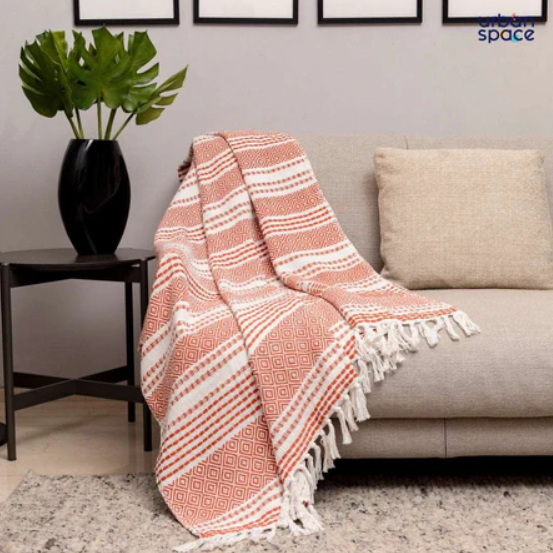
Mistake 8: Not Considering Bedroom Styling
While comfort is the priority, bedding also contributes significantly to the overall look of a room.
A comforter covers a large portion of the bed, making it one of the most visible elements in the bedroom.
Neutral colors tend to offer greater flexibility, while subtle textures often age better than highly trend-driven designs.
Many homeowners also use a throw blanket to introduce contrast, texture, or seasonal color changes without replacing the entire bedding setup.
It’s a simple styling technique that can refresh the room instantly.
Mistake 9: Skipping Product Reviews
Product photos tell only part of the story.
Reviews often reveal valuable information that specifications don’t.
Before purchasing a comforter, look for feedback related to:
- Fabric softness
- Durability after washing
- Actual warmth level
- Size accuracy
- Long-term performance
Reading a few reviews can help you avoid products that look great online but fail to deliver in daily use.
Mistake 10: Choosing Price Over Value
Everyone wants a good deal.
However, choosing the cheapest option isn’t always the most economical decision.
Low-quality bedding may need replacement much sooner, which increases overall cost over time.
Instead of focusing solely on price, consider:
| Factor | Why It Matters |
| Fabric Quality | Better comfort |
| Filling | Determines warmth |
| Construction | Improves durability |
| Maintenance | Saves time and effort |
| Longevity | Better value overall |
A slightly better comforter often provides a noticeably better experience for years.
A Quick Comforter Buying Checklist
Before making a purchase, run through this checklist:
- Measure your mattress properly
- Check the filling material
- Review washing instructions
- Consider year-round usability
- Examine stitching details
- Read customer reviews
- Compare size specifications
- Think about bedroom aesthetics
- Decide if you’ll pair it with a throw blanket
- Prioritize quality over price alone
These simple checks can prevent most common buying mistakes.
Final Thoughts
Buying a comforter isn’t just about selecting a pattern you like. The right choice should support comfortable sleep, suit your climate, fit your bed properly, and remain easy to maintain.
By avoiding these common mistakes, you’ll be far more likely to find a comforter that works well for years rather than months.
Many homeowners eventually discover that thoughtful layering also improves comfort. A quality comforter paired with a versatile throw blanket often provides the flexibility needed for changing temperatures and everyday use.
While exploring bedding options, you’ll occasionally come across recommendations from home décor communities discussing brands such as Urban Space, particularly when conversations focus on balancing practicality with design. Regardless of the brand you choose, focusing on quality and suitability will always lead to a better purchase.
