

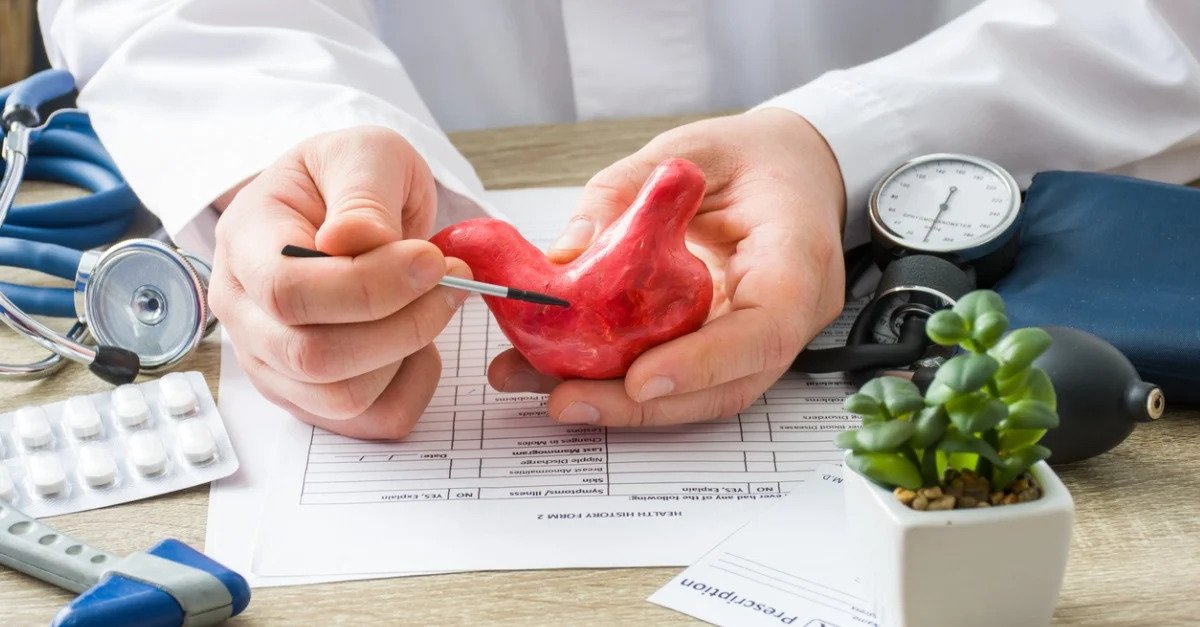
Gastroenterology treatments focus on the diagnosis, management, and prevention of diseases affecting the digestive system. The digestive tract includes the esophagus, stomach, small intestine, large intestine, liver, pancreas, gallbladder, and rectum. These organs play a vital role in digesting food, absorbing nutrients, and removing waste from the body. When digestive disorders occur, they can significantly affect a person’s quality of life. Fortunately, advances in medical science have made gastroenterology treatments more effective, less invasive, and highly personalized.
One of the most common reasons people seek gastroenterology treatment is persistent digestive symptoms such as abdominal pain, bloating, heartburn, diarrhea, constipation, nausea, or unexplained weight loss. A gastroenterologist begins by evaluating the patient’s medical history, lifestyle, and symptoms. Diagnostic procedures such as blood tests, stool analysis, ultrasound, CT scans, endoscopy, and colonoscopy help identify the underlying cause of digestive problems. Accurate diagnosis is essential for selecting the most appropriate treatment plan.
Medication is one of the primary forms of gastroenterology treatment. Depending on the condition, doctors may prescribe antacids, proton pump inhibitors, antibiotics, anti-inflammatory drugs, immunosuppressants, or medications that regulate bowel movements. For example, acid reflux and gastroesophageal reflux disease (GERD) are commonly treated with acid-reducing medications that help relieve symptoms and protect the esophagus. Patients with bacterial infections such as Helicobacter pylori often require a combination of antibiotics and acid-suppressing drugs to eliminate the infection and promote healing of stomach ulcers.
Lifestyle and dietary modifications are also essential components of gastroenterology treatment. Many digestive disorders can be managed or improved by adopting healthier eating habits, increasing fiber intake, staying hydrated, and avoiding foods that trigger symptoms. Patients with irritable bowel syndrome (IBS) may benefit from a low-FODMAP diet, while those with celiac disease must follow a strict gluten-free diet. Regular exercise, stress management, and maintaining a healthy weight further contribute to improved digestive health and overall well-being.
Inflammatory bowel diseases (IBD), including Crohn’s disease and ulcerative colitis, require specialized treatment strategies. These chronic conditions involve inflammation of the digestive tract and often require long-term management. Treatment may include anti-inflammatory medications, immune-modulating drugs, biologic therapies, and nutritional support. Biologic medications have significantly improved outcomes for many patients by targeting specific immune system pathways responsible for inflammation. Regular monitoring helps prevent complications and ensures that treatment remains effective over time.
Endoscopic procedures have transformed modern gastroenterology by allowing physicians to diagnose and treat many digestive disorders without traditional surgery. During an upper endoscopy, a flexible tube with a camera is inserted through the mouth to examine the esophagus, stomach, and upper small intestine. Colonoscopy allows detailed examination of the colon and rectum and plays a crucial role in detecting colorectal cancer, removing polyps, and investigating symptoms such as bleeding or chronic diarrhea. These minimally invasive procedures usually involve shorter recovery times and lower risks than open surgery.
Advanced therapeutic endoscopy has expanded treatment options even further. Gastroenterologists can remove precancerous polyps, stop internal bleeding, widen narrowed areas of the digestive tract, remove certain tumors, and place feeding tubes using specialized endoscopic techniques. Endoscopic ultrasound combines imaging with endoscopy to evaluate tumors, cysts, and pancreatic disorders with greater precision. These innovations have reduced the need for major surgical procedures in many cases.
Although many digestive conditions can be managed with medication or minimally invasive procedures, surgery may still be necessary for certain diseases. Patients with severe gallbladder disease, advanced colorectal cancer, bowel obstruction, perforated ulcers, or complications of Crohn’s disease may require surgical intervention. Modern surgical techniques, including laparoscopic and robotic-assisted procedures, offer smaller incisions, reduced pain, shorter hospital stays, and faster recovery compared to traditional open surgery.
Preventive care remains one of the most important aspects of gastroenterology. Routine screenings, particularly colonoscopy for individuals at average or increased risk of colorectal cancer, can detect precancerous growths before they develop into cancer. Vaccination against hepatitis viruses, moderation of alcohol consumption, smoking cessation, and maintaining a balanced diet also help protect the digestive system from long-term disease. Early detection and timely treatment greatly improve patient outcomes and reduce the risk of serious complications.
In recent years, research in gastroenterology has introduced promising new therapies, including precision medicine, microbiome-based treatments, and advanced biologic medications. Scientists continue to study the role of gut bacteria in digestive health and how modifying the microbiome may help treat conditions such as inflammatory bowel disease, irritable bowel syndrome, and recurrent intestinal infections. Personalized treatment plans based on a patient’s genetics, lifestyle, and disease characteristics are becoming increasingly common. In conclusion, gastroenterology treatments encompass a wide range of medical, dietary, endoscopic, and surgical approaches designed to improve digestive health and manage gastrointestinal diseases effectively. Advances in diagnostic technology, minimally invasive procedures, and targeted therapies have significantly enhanced patient care and treatment success. By combining early diagnosis, appropriate medical intervention, healthy lifestyle choices, and preventive screenings, patients can achieve better digestive health and enjoy a higher quality of life. Regular consultation with a qualified gastroenterologist ensures that digestive conditions are diagnosed promptly and treated with the most suitable and up-to-date medical strategies.
