

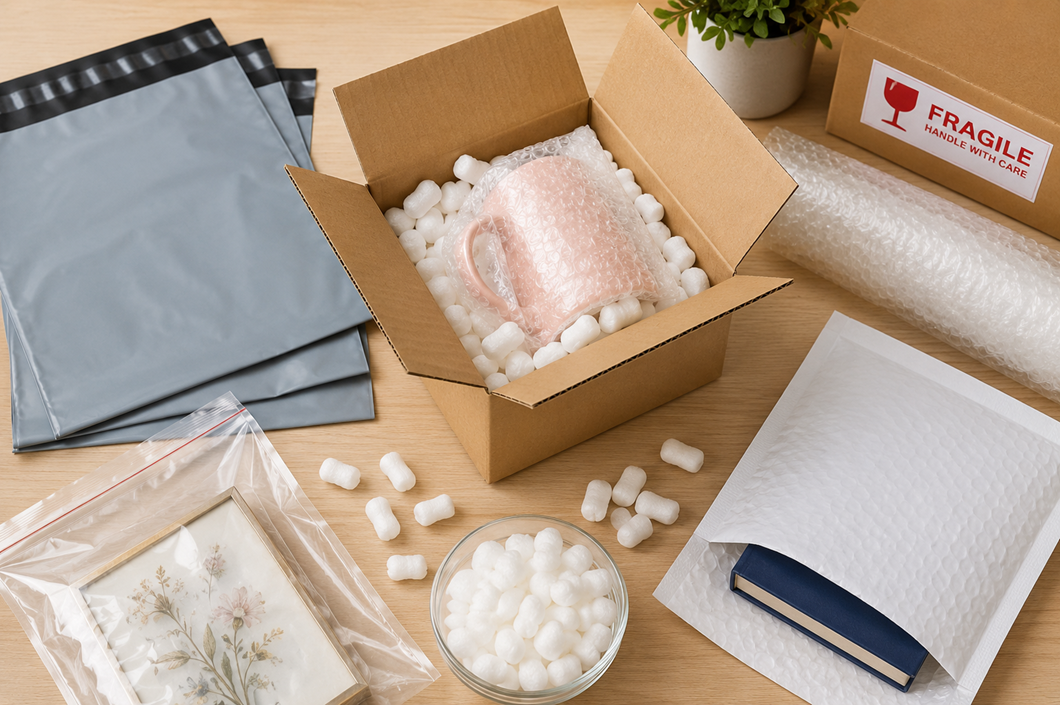
Fragile deliveries make businesses nervous for a reason. One damaged parcel can quickly become a refund request, a bad review or a customer who never orders again. That is why properly packaging fragile products has become far more important than simply putting an item in a box and sealing it with tape.
Customers expect products to arrive safely now, no matter how delicate they are. Whether it is a candle jar, framed print, perfume bottle, or ceramic mug, people want parcels to arrive looking exactly as they appeared online.
Because of that, businesses are becoming much more careful about the materials they use before parcels leave the warehouse.
Why Are Businesses Using More Than One Protective Layer?
Most fragile products cannot survive shipping with only one layer of protection anymore. Parcels are stacked, dropped, moved across conveyor belts and packed tightly into delivery vehicles every single day.
That constant movement creates pressure inside the box. Businesses now rely on layered packaging rather than a single material. A fragile item is often wrapped, cushioned and secured multiple times before the parcel is finally sealed.
This approach works far better because every layer solves a different problem. One material protects corners, another reduces movement, and another prevents scratches or moisture damage.
Which Materials Are Helping Fragile Products Arrive Safely?
Bubble Cushion Wrap
Bubble protection is still one of the most trusted materials for fragile shipping. It softens impact during transit and helps stop products from knocking against hard surfaces inside the carton.
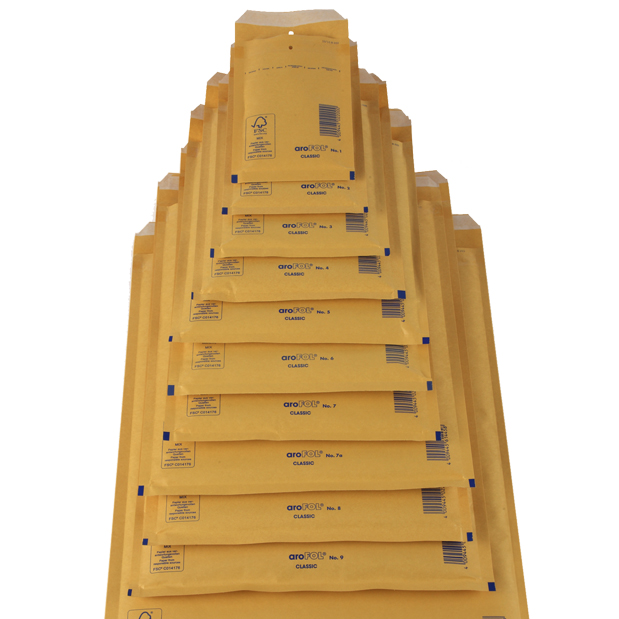
Glass bottles, ceramic décor, skincare jars and framed artwork are commonly wrapped using layered bubble cushioning. Smaller retailers also use bubble envelopes for products like jewellery, cosmetics and phone accessories because they protect delicate items without making parcels unnecessarily bulky.
Corrugated Shipping Cartons
A strong outer carton matters more than many businesses realise. Thin boxes collapse quickly when heavier parcels are stacked on top during transit. Double-wall cartons are often used for candles, kitchenware and heavier home accessories because they hold their shape better during shipping.
Well-fitting cartons also reduce space inside the parcel, which helps fragile products stay more stable during transport.
Foam Corner Protection
Corners usually take the most impact during delivery handling. Foam corner protectors are often added around mirrors, framed photographs and electronic products because they absorb pressure before it reaches the item itself.
This type of protection is especially useful for products with glass edges or sharp corners.
Why Are Void Fill Materials So Important?
One of the biggest reasons products break during transit is simple movement inside the box.
If an item shifts too much while the parcel is moving, damage becomes much more likely. That is why void-fill materials are used to keep products stable during transportation.
Paper Cushioning
Crumpled kraft paper is often used around candles, ceramic products and glassware because it fills empty spaces naturally while keeping products secure.
Many businesses also prefer paper cushioning because it gives parcels a cleaner and more organised appearance when customers open them.
Air Cushion Protection
Inflatable air cushions are commonly used for electronics and lightweight retail products. They create protection without adding much extra parcel weight.
Warehouses often use them to protect products while keeping shipping costs manageable.
Loose Fill Protection
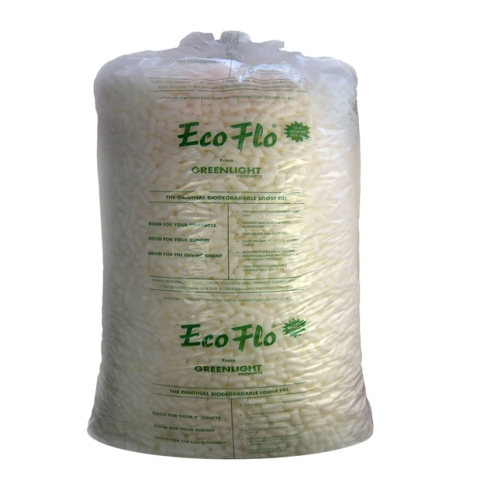
Some businesses still prefer loose fill because it surrounds fragile products evenly inside the carton. This works particularly well for oddly shaped items that do not sit securely in one position.
Decorative products, small ceramics and lightweight glass pieces are often protected this way during longer shipping journeys.
Why Is Surface Protection Becoming More Important?
Customers notice the presentation immediately when opening a parcel. Even if the product itself is not broken, scratches, dust or moisture marks can still leave a poor impression. That is why businesses frequently use protective inner wrapping before adding cushioning outside.
Many retailers place products inside clear plastic bags before packing them into cartons because this helps protect surfaces from dust, fingerprints and moisture during storage and delivery.
Beauty products, fabrics, printed products and premium accessories are commonly packed this way to keep them looking clean after transit.
Are Mailing Bags Still Used for Fragile Deliveries?
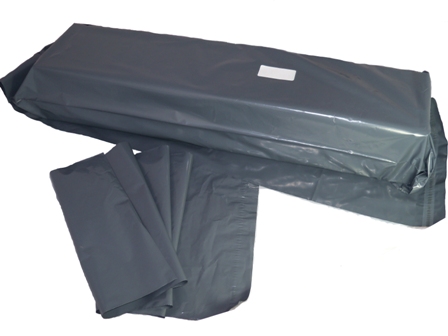
Not every delicate product requires a rigid carton. Softer products sometimes require flexible outer packaging rather than inner protection. Many retailers use grey mailing bags for clothing, soft accessories and lightweight textile products because they protect parcels from dirt and rain during transit.
Some businesses also combine mailing bags with tissue wrapping or padded inner layers for extra protection. This helps reduce packaging weight while still keeping deliveries secure.
Conclusion
Fragile products need far more than simple wrapping to survive safely in modern delivery systems.
Businesses are now combining cushioning wraps, sturdy cartons, void-fill protection and moisture barriers to reduce damage during shipping. Every packaging layer plays a role in protecting products from pressure, movement and impact while parcels travel through warehouses and delivery networks.
Good packaging not only protects the item inside. It protects customer confidence, too.
