

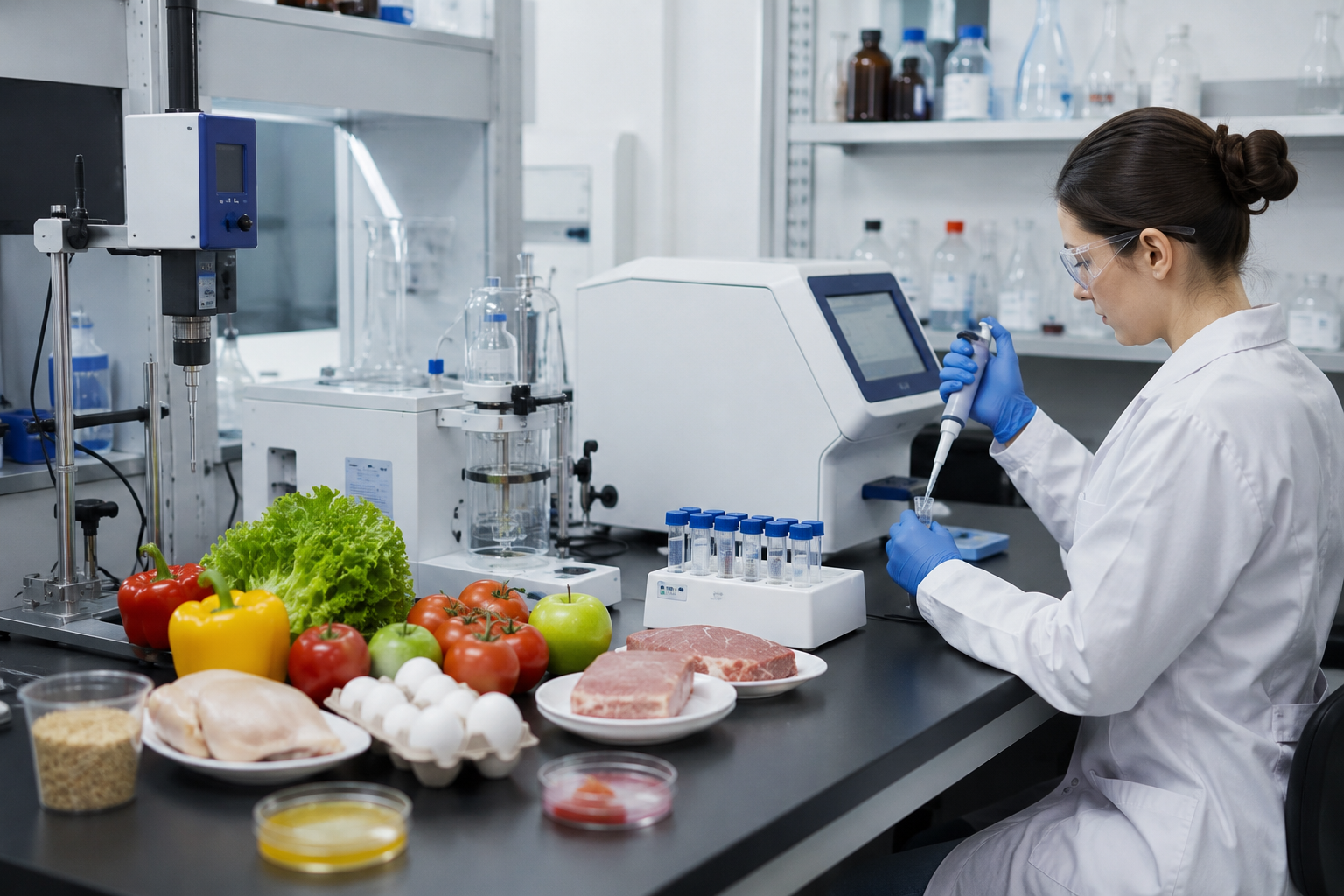
Food quality isn’t something consumers think about every time they pick up a product from a supermarket shelf. They simply expect every item they purchase to be fresh, safe, and consistent. Behind that confidence is a comprehensive quality assurance process supported by modern testing technologies.
As Saudi Arabia continues expanding its food manufacturing sector, producers are placing greater emphasis on reliable quality verification throughout every stage of production. Advanced Food Testing Equipment has become an essential part of this process, helping manufacturers evaluate raw materials, monitor production, and maintain high standards before products reach the market.
Why Accurate Food Testing Matters
Producing quality food involves much more than using good ingredients. Manufacturers must ensure every batch meets strict standards for composition, freshness, consistency, and overall quality.
Traditional inspection methods, such as visual checks and manual sampling, still play an important role. However, they cannot identify every issue that may affect product quality.
Modern Food Testing Equipment provides precise measurements that help manufacturers make informed decisions quickly. By identifying potential quality concerns early, companies can improve production efficiency while maintaining customer confidence.
For food manufacturers across Saudi Arabia, reliable testing also supports compliance with national regulations and international quality standards.
Verifying Ingredient Quality Before Production
A successful production process starts with high-quality raw materials.
Before ingredients enter the manufacturing line, they should be evaluated to confirm they meet required specifications. Modern testing equipment allows manufacturers to examine various characteristics, including:
- Ingredient composition
- Moisture levels
- Nutritional values
- Mineral content
- Product purity
- Overall material quality
Identifying quality concerns before production begins helps reduce unnecessary waste and improves manufacturing consistency.
This approach also prevents production interruptions that could increase operating costs.
Improving Quality Throughout Manufacturing
Quality shouldn’t be checked only after production has finished.
Modern testing technologies allow manufacturers to monitor important parameters throughout the manufacturing process.
Continuous monitoring helps verify:
- Product consistency
- Nutritional composition
- Moisture balance
- Acidity (pH)
- Ingredient proportions
- Overall processing performance
If results begin moving outside acceptable limits, production teams can make immediate adjustments before larger issues develop.
This proactive approach supports better efficiency while minimizing rejected batches.
Delivering Consistent Products Every Time
Consumers expect the same experience whenever they purchase a familiar food product.
Whether it’s a packaged snack, beverage, bakery item, or processed food, consistency builds trust and strengthens brand loyalty.
Modern Food Testing Equipment allows manufacturers to verify product characteristics during production, helping maintain uniform quality across every batch.
Accurate testing ensures products continue meeting customer expectations while supporting long-term brand reputation.
Supporting Food Quality Standards
Food manufacturers operate within carefully regulated environments where quality documentation is essential.
Modern testing equipment simplifies compliance by generating reliable analytical reports that can be used during inspections, audits, and quality assessments.
Many manufacturers in Saudi Arabia follow internationally recognized quality systems such as HACCP and ISO 22000. Accurate laboratory testing supports these systems by providing traceable information throughout production.
This level of documentation also improves transparency and builds confidence among customers and regulatory authorities.
Faster Testing Improves Operational Efficiency
Manufacturing schedules often depend on timely laboratory results.
Waiting several hours for quality verification can delay production and increase operational costs.
Modern testing equipment delivers faster analytical results, allowing production teams to:
- Approve incoming materials more quickly
- Monitor production efficiently
- Release finished products sooner
- Reduce unnecessary production delays
- Improve inventory management
Quicker decision-making helps manufacturers maintain productivity without compromising product quality.
Reducing Waste Through Better Analysis
Reducing waste has become an important objective for food manufacturers.
Accurate testing allows companies to make better decisions regarding production quality, helping avoid unnecessary disposal of usable products while identifying batches that require corrective action.
Using modern Food Testing Equipment, manufacturers gain greater confidence in production outcomes, improve resource utilization, and support more sustainable manufacturing practices.
This not only lowers operating costs but also contributes to responsible environmental management.
Encouraging Product Innovation
Consumer preferences continue changing as demand grows for healthier food options, functional products, and alternative ingredient formulations.
Developing new products requires reliable testing to evaluate ingredient performance, nutritional composition, product stability, and overall quality.
Advanced laboratory equipment gives research and development teams the information they need to refine recipes, improve manufacturing processes, and introduce innovative products with confidence.
This ability to support continuous innovation is becoming increasingly valuable across Saudi Arabia’s expanding food industry.
Building Long-Term Consumer Confidence
Trust remains one of the most valuable assets for any food manufacturer.
Customers expect every product they purchase to meet the same standards of quality and reliability.
By investing in advanced Food Testing Equipment, manufacturers demonstrate their commitment to maintaining consistent production standards and delivering dependable products.
Companies that consistently prioritize quality are more likely to strengthen customer relationships, enhance their market reputation, and achieve sustainable business growth.
Conclusion
Reliable testing has become a cornerstone of modern food manufacturing. From evaluating incoming ingredients to monitoring production and verifying finished products, advanced Food Testing Equipment helps manufacturers maintain consistent quality while improving operational efficiency.
As Saudi Arabia’s food industry continues to expand, investing in modern testing technologies will remain essential for businesses seeking long-term success. Manufacturers that prioritize accurate quality verification are better positioned to improve productivity, reduce waste, strengthen customer confidence, and deliver products that consistently meet high industry standards.
Frequently Asked Questions
Why is food testing equipment important?
Food testing equipment helps manufacturers evaluate ingredient quality, verify product consistency, improve production efficiency, and support compliance with food quality standards.
Which industries use food testing equipment?
Food processing companies, beverage manufacturers, quality control laboratories, research facilities, educational institutions, and government inspection laboratories all rely on food testing equipment.
How does food testing equipment improve manufacturing?
It provides accurate measurements that help manufacturers monitor production, improve consistency, reduce waste, maintain product quality, and support regulatory compliance.
