

The first ride is never just a ride. It is a tiny moment of courage, small hands gripping the handlebars, little feet testing the ground, and eyes glowing with the thrill of movement. A balance bike is often where a child’s confidence on wheels begins, and choosing the right size can shape whether that first experience feels empowering or frustrating.
The truth is simple: the perfect bike fit is less about age and more about comfort, control, and confidence. A well-sized balance bike for kids allows your child to place both feet flat on the ground with a slight bend in the knees, helping them push, glide, and stop safely. Experts consistently recommend matching the bike’s minimum seat height to your child’s inseam rather than relying on age alone.
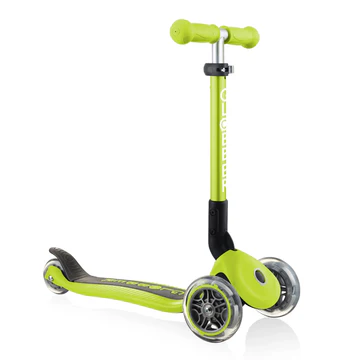
In this guide, we’ll walk through exactly how to choose the right size, what measurements matter most, and how to ensure your little rider enjoys every glide forward.
Why the Right Balance Bike Size Matters?
A balance bike is designed to teach the most important cycling skill first – balance. Unlike pedal bikes, there are no training wheels or pedals to distract your child. But if the size is wrong, even the best bike can feel awkward.
A properly fitted balance bike for kids helps your child:
- Build confidence quickly.
- Push off the ground naturally.
- Learn steering with ease.
- Stop safely using both feet.
- Glide longer and smoother.
If the seat is too high, your child may feel unstable. If it’s too low, their stride becomes cramped and uncomfortable. The right fit keeps the ride natural and enjoyable.
Start with the Most Important Measurement: Inseam
Here’s where most parents make a mistake, they choose based on age. But children grow at different rates, so age is only a rough guide.
The most accurate way to size a bike is by measuring your child’s inseam.
How to Measure It Correctly
- Have your child stand barefoot against a wall.
- Place a hardcover book gently between their legs.
- Raise it until it sits snugly like a bike saddle.
- Measure from the floor to the top of the book.
This number is the inseam.
Your chosen bike’s minimum seat height should be equal to or slightly lower than this measurement. That way, your child can keep both feet flat on the ground.
Understand Wheel Size vs Seat Height
Many parents focus only on wheel size, but seat height matters far more.
Here’s a simple guide:
10-inch Wheels
- Best for 18 months to 2 years.
- Ideal for smaller toddlers.
- Works well for inseams around 12–14 inches.
12-inch Wheels
- Best for 2 to 4 years.
- Most common size.
- Great for average toddlers and pre-schoolers.
14-inch Wheels
- Best for 4 to 5 years.
- Suitable for taller children.
- Good for longer use as they grow.
While wheel size gives a general direction, always compare it with the seat height range. Different brands design bikes differently.
Signs the Bike Fits Perfectly
A child on the correct bike looks relaxed, not stretched.
Here’s how to tell:
Feet Flat on the Ground
This is the golden rule. Both feet should rest fully on the floor while seated.
Slight Bend in the Knees
A soft bend helps them run, push, and glide more naturally.
Comfortable Reach
They should reach the handlebars without leaning too far forward.
Upright Posture
Their back should stay natural and comfortable.
These details may seem small, but they create the difference between hesitation and instant joy.
Don’t Buy Too Big “for Growth”
It’s tempting to buy a larger bike so your child can use it for years.
But this often backfires.
An oversized bike can:
- Delay learning
- Make balancing harder
- Reduce confidence
- Increase falls
- Feel too heavy
A better approach is to choose a bike with an adjustable saddle and handlebars. This gives room to grow without sacrificing present comfort. Most quality balance bike for kid’s models offer several inches of seat adjustment.
Consider the Bike’s Weight Too
Size is not the only factor. Weight plays a major role in usability.
A heavy bike may technically fit your child, but it can still feel difficult to control.
Look for lightweight frames made from:
- Aluminum
- Magnesium alloy
- Birch wood
- Lightweight steel
A lighter bike helps your child steer better, lift it easily, and feel more independent.
This is especially important when shopping for premium toys for boys that support physical development and confidence-building.
Match the Bike to Your Child’s Riding Stage
Not every child rides the same way.
Some toddlers prefer walking with the bike at first. Others quickly move to gliding.
Choose based on their stage:
Beginner Riders
- Lower seat height
- Lightweight frame
- Stable tires
- Smaller wheel size
Confident Gliders
- Slightly larger wheels
- Adjustable handlebars
- Better stride room
- Optional hand brake
Thinking this way turns the purchase from just another item into one of the smartest toys for boys that actively supports growth and skill-building.
Common Mistakes Parents Should Avoid
To make the best choice, avoid these common errors:
Choosing by Age Alone
Always use inseam first.
Ignoring Minimum Seat Height
This is more important than wheel size.
Buying a Heavy Model
Lightweight bikes are easier to learn on.
Choosing a Trendy Design Over Fit
Style matters, but comfort matters more.
Skipping Adjustability
A bike with adjustable parts lasts longer.
Final Thoughts
Choosing the right size balance bike is about more than measurements, it’s about giving your child the freedom to trust their movement.
The right fit transforms those first uncertain pushes into smooth glides, wide smiles, and the kind of confidence that lasts far beyond the sidewalk.
When selecting the best balance bike for kids, focus on inseam, seat height, weight, and adjustability. Done right, it becomes more than a bike, it becomes one of the most meaningful toys for boys in their early years, blending fun with real developmental growth.
The perfect ride begins when their feet feel grounded and their confidence begins to lift.
.
