

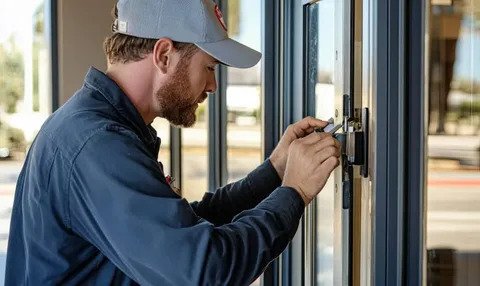
Establishing a robust physical security perimeter for a corporate property requires a strategic evaluation of building access points, local life-safety compliance codes, and durable hardware specifications. Business owners can secure their commercial assets by assessing foot traffic patterns, choosing the correct grade of lock cylinders, and arranging for a licensed installer to handle the fitting process. Many local enterprise owners manage these structural upgrades efficiently by reaching out directly to G&I Locksmithing to handle their facility updates. Investing in a qualified commercial lock installation in Brandon, MS deployment ensures that all entryways satisfy strict insurance standards while providing long-lasting defense against unauthorized entry.
Key Takeaways
- Selecting proper commercial-grade hardware directly minimizes long-term maintenance overhead.
- Adhering strictly to local building codes preserves employee safety during emergency evacuations.
- Implementing structured key control protocols prevents unauthorized key duplication by departing personnel.
Commercial security demands far exceed standard residential entry needs due to the high volume of daily usage and stricter emergency egress regulations. Experienced technicians execute these upgrades by evaluating the building shell, checking fire door certifications, and installing heavy-duty mechanisms like mortise assemblies or panic exit devices. Industry field data reveals that roughly seventy percent of commercial physical breaches involve facilities using outdated or improper light-duty locking systems. Partnering with a dedicated corporate lock specialist guarantees that your storefront handles continuous foot traffic safely while remaining resilient against physical picking attempts.
Phase One: Evaluating Facility Access Needs and Compliance Standards
The initial phase of a corporate hardware upgrade involves a thorough walkthrough of the physical space to count every single interior and exterior opening. Decision-makers must look at how employees and clients move through the property to determine where high-security solutions are most necessary.
Every chosen device must line up perfectly with regional building rules, which mandate that exit doors must unlatch instantly using a single motion from the inside. Failing to prioritize these exit regulations can lead to costly municipal code penalties and create dangerous conditions during an emergency building evacuation.
Preliminary Security Assessment Protocols
- Count all primary client entry doors, rear loading docks, and interior office entries.
- Identify restricted document storage areas that require independent electronic credential readers.
- Review fire door rating labels to ensure new hardware choices do not void the underlying door assembly certification.
Phase Two: Selecting Hardware Grades and Implementing Master Key Blueprints
Once the physical layout mapping is complete, business operators choose between different grades of heavy-duty locks based on the durability standards of the Builders Hardware Manufacturers Association. Grade one locks offer the highest level of structural strength and are engineered to withstand millions of continuous operation cycles over their operational lifespan.
Action Plan for Device Configuration
- Choose between standard mechanical entry mechanisms and computerized keyless entry pads.
- Establish a clear hierarchy map for a master key system to limit staff access privileges.
- Clean and inspect existing hollow metal or solid wood door prep spaces before mounting.
A master key blueprint allows corporate executives to open every door in the building with a single key while restricting lower-level workers to specific zones. Engaging business security lock upgrades in Brandon provides managers with specialized interchangeable cores that can be swapped out instantly if an employee misplaces their assigned key copy.
Phase Three: Executing the Physical Fitment and Calibration of Entryways
The final phase of the project involves the careful extraction of old, worn-out mechanisms and the structural alignment of the brand-new locking assemblies. Specialized installers use precision boring jigs and mortise routing machinery to ensure the new steel housings sit perfectly flush inside the door frame.
Installation Calibration Requirements
- Verify that the lock latch bolt aligns perfectly with the opening in the strike plate.
- Adjust hydraulic automatic door closers to prevent doors from slamming too hard or failing to latch shut.
- Program all electronic biometric or card readers with fresh encrypted user authorization files.
Proper alignment ensures that the deadbolt slides home easily without rubbing against the frame, which eliminates mechanical stress on internal springs. Relying on trusted commercial lock fitting teams in Brandon, MS, stops premature mechanical binding and ensures that heavy perimeter doors latch tightly every single time they close.
Essential Decision Considerations Before Selecting an Installation Contractor
Before signing a contract for a full commercial facility security refit, enterprise managers must verify specific trade credentials to protect their investment. Business owners should ensure the incoming service crew features fully bonded field experts who specialize in commercial architecture rather than basic residential locks. It is critical to request an itemized project proposal that breaks down the exact cost of master cylinders, lever handles, and labor fees up front. Selecting an installation team that provides clear ongoing warranty coverage for electronic locking components shields your operating budget from unexpected technology costs.
Proactive Operational Tips for Long-Term Corporate Lock Performance
- Clean internal cylinder tracks annually with a quick spray of specialized non-oily clear dry lubricant.
- Conduct a routine manual inspection of exterior panic bar touch pads every month to ensure smooth latch retraction.
- Update your digital access permission databases immediately when an employee changes roles or leaves the enterprise.
Frequently Asked Questions
What is the core functional difference between a residential deadbolt and a grade-one commercial lock?
Grade one commercial locks are built with heavy brass and hardened steel parts designed to survive over one million opening cycles under rough daily use. Residential locks feature lighter internal components that quickly wear down and fail when subjected to the heavy foot traffic of a busy retail store or corporate office.
How does an interchangeable core lock system simplify key management tasks for a growing company?
An interchangeable core cylinder allows a building manager to remove the entire internal pinning section using a special control key in just a few seconds. This smart design lets you rekey a compromised door instantly without taking the entire lock assembly off the door, saving significant time during staff turnovers.
Are electronic keypad locks safe enough to use on external perimeters for high-security commercial spaces?
High-grade commercial electronic locks provide exceptional security because they eliminate the risk of physical lock picking and stop staff members from making unauthorized key copies. They also create a detailed digital audit trail that records the exact time and code used for every single entry, which helps management monitor facility traffic.
Why is a fire-rated panic exit bar required on commercial facility doors instead of a standard handle?
Local building and safety codes mandate panic bars on public exit paths so that crowds can quickly push the doors open during a sudden emergency evacuation. These specialized safety devices ensure that even if a hallway fills with dense smoke, occupants can exit safely by simply pushing their body weight against the wide horizontal release bar.
Summary of the Enterprise Security Installation Method
Executing a successful commercial lock upgrade relies on analyzing building entry traffic, picking high-strength grade one components, and matching local emergency exit rules. Working closely with a mobile security technician allows enterprise owners to avoid structural door damage while setting up master key access right at their facility. Following these careful planning and calibration steps keeps your private corporate data safe from break-ins while ensuring a smooth, reliable entry experience for your daily staff.
Secure Your Commercial Property with Professional Lock Installations Today
Do not leave your valuable business assets, private client records, or expensive office equipment exposed to outdated or weak locking systems. The commercial security specialists at G&I Locksmithing are fully equipped to install high-security cylinders, heavy-duty panic bars, and electronic access systems for your facility. Their fully background-checked technicians manage every step of the framing, alignment, and master key planning process with total professional accuracy. Connect with their commercial service desk right now to schedule an on-site security consultation and receive a clear project estimate for your business.
