

Introduction
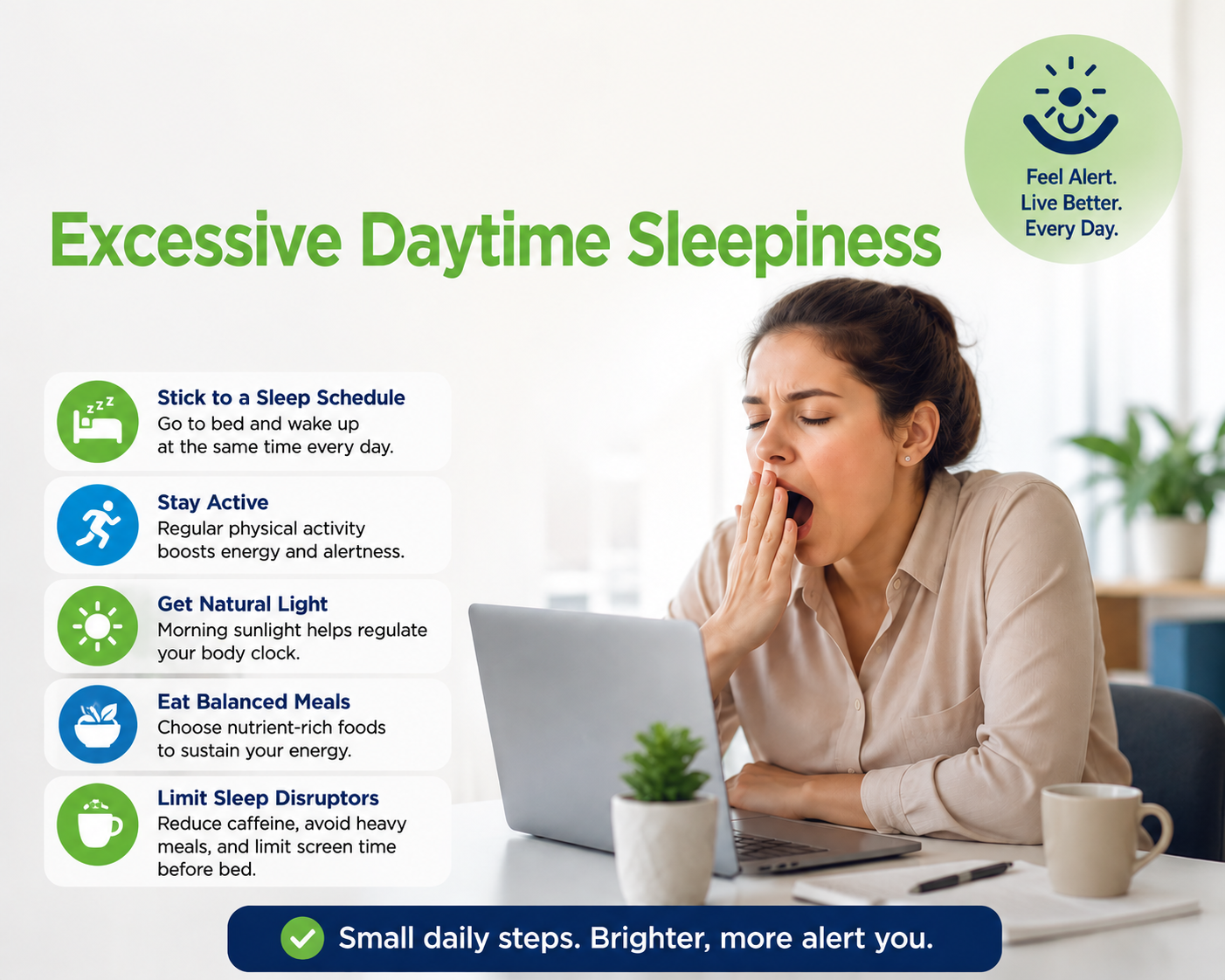
Excessive daytime sleepiness is a very common problem among people, irrespective of age. It makes them inefficient in performing daily tasks or being productive in their jobs or educational institutions. Patients suffering from excessive sleepiness find it hard to remain active throughout the day, even after having sufficient nighttime sleep.
In case people suffer from excessive sleepiness, they try different methods to become more active during the day. One solution suggested by health professionals includes consulting their doctors about the use of certain medications, such as Modalert 100 mg. On the other hand, there are some natural methods for dealing with the issue.
People living in the USA, Canada, and Australia suffer from sleepiness because of numerous reasons, including stress, lack of sleep and unhealthy sleeping habits, and long working hours. The good thing is that there are a lot of natural solutions that will help to get rid of the problem of insomnia and sleepiness during the day.
Understanding Excessive Daytime Sleepiness
Excessive daytime sleepiness occurs when a person feels unusually tired or sleepy during the day. It goes beyond normal tiredness after a busy day. Individuals may feel a strong urge to nap, struggle to focus, or even fall asleep unexpectedly.
Several factors can contribute to this condition, including:
- Poor sleep quality
- Irregular sleep schedules
- Stress and anxiety
- Sleep disorders
- Lack of physical activity
- Unhealthy eating habits
- Excessive screen time
Identifying the underlying cause is often the first step toward finding an effective solution.
Maintain a Consistent Sleep Schedule
One of the most effective natural ways to reduce daytime sleepiness is to maintain a regular sleep schedule.
Try to:
- Go to bed at the same time every night
- Wake up at the same time every morning
- Follow the schedule on weekends as well
- Allow enough time for quality sleep
A consistent routine helps regulate the body’s internal clock. When the body knows when to sleep and wake up, it becomes easier to stay alert during the day.
Create a Comfortable Sleep Environment
Your sleeping environment can significantly affect sleep quality.
To improve your bedroom:
- Keep the room dark
- Reduce noise levels
- Maintain a comfortable temperature
- Use supportive pillows and mattresses
- Remove distractions such as televisions
A calm and relaxing environment allows the body to enter deeper stages of sleep, which helps reduce daytime fatigue.
Limit Screen Time Before Bed
Many people use smartphones, tablets, and computers late at night. These devices emit blue light, which can interfere with natural sleep signals.
To improve sleep:
- Avoid screens at least one hour before bedtime
- Use night mode settings when necessary
- Read a book instead of scrolling through social media
- Practice relaxing activities before sleep
Reducing screen exposure in the evening may help you fall asleep faster and improve sleep quality.
Focus on a Healthy Diet
The foods you eat can influence your energy levels throughout the day.
Choose:
- Fresh fruits
- Vegetables
- Whole grains
- Lean proteins
- Healthy fats
Avoid excessive consumption of:
- Sugary snacks
- Processed foods
- Heavy late-night meals
Balanced nutrition supports overall health and helps maintain stable energy levels.
Stay Hydrated
Dehydration can contribute to feelings of tiredness and low energy.
Make hydration a daily habit by:
- Drinking water throughout the day
- Carrying a water bottle
- Limiting sugary beverages
- Increasing water intake during hot weather
Even mild dehydration can affect concentration and alertness, making daytime sleepiness feel worse.
Exercise Regularly
Physical activity offers many benefits for sleep and energy levels.
Regular exercise can:
- Improve sleep quality
- Reduce stress
- Increase daytime alertness
- Support overall health
Good exercise options include:
- Walking
- Cycling
- Swimming
- Yoga
- Light strength training
Aim for regular activity most days of the week. However, avoid intense workouts close to bedtime, as they may interfere with sleep.
Manage Stress Effectively
Stress often contributes to poor sleep and daytime tiredness.
Healthy stress management techniques include:
- Deep breathing exercises
- Meditation
- Yoga
- Journaling
- Spending time outdoors
Reducing stress levels may improve sleep quality and help you feel more refreshed during the day.
Get Natural Sunlight Exposure
Sunlight helps regulate the body’s sleep-wake cycle.
Try to:
- Spend time outside each morning
- Open curtains during the day
- Take short outdoor walks
Natural light exposure supports healthy circadian rhythms and can improve daytime alertness.
Avoid Long Daytime Naps
Short naps may provide temporary relief from tiredness, but long naps can make sleep problems worse.
If you need a nap:
- Keep it under 30 minutes
- Nap earlier in the day
- Avoid evening naps
Short naps can boost energy without interfering with nighttime sleep.
Reduce Caffeine Late in the Day
Many people rely on coffee or energy drinks to stay awake. While caffeine can provide temporary alertness, consuming it too late may affect nighttime sleep.
Try to:
- Limit caffeine in the afternoon
- Avoid caffeine close to bedtime
- Choose herbal drinks in the evening
Better nighttime sleep often leads to improved daytime energy.
Support Healthy Sleep Habits
Good sleep hygiene plays a major role in reducing excessive daytime sleepiness.
Healthy habits include:
- Following a bedtime routine
- Keeping the bedroom quiet
- Avoiding heavy meals before bed
- Maintaining regular sleep hours
- Limiting alcohol consumption
These simple changes can improve sleep quality over time.
Monitor Your Energy Levels
Keeping a sleep journal can help identify patterns that contribute to daytime sleepiness.
Record:
- Bedtime and wake-up time
- Daily energy levels
- Physical activity
- Food and drink intake
- Stress levels
Tracking these details may help you understand what affects your sleep and alertness.
When to Seek Professional Advice
Natural strategies can help many people manage excessive daytime sleepiness. However, persistent symptoms should not be ignored.
Consider speaking with a healthcare professional if:
- Sleepiness continues despite lifestyle changes
- You frequently fall asleep during important activities
- Sleep problems affect daily functioning
- You experience symptoms of a sleep disorder
Certain people can consult their doctor about medication possibilities like taking Modalert 200 mg where applicable. A diagnosis may be conducted to understand what the cause of the issue is and come up with an appropriate solution.
Conclusion
Daytime sleepiness can negatively affect your productivity and even your state of being. However, many natural ways could help improve sleep quality and make one more energetic during the day.
Inhabitants of the United States of America, Canada, and even Australia still practice healthy lifestyles that positively affect sleep and allow for improved energy. It is important to make gradual steps toward improving the condition of your sleep and its quality.
