

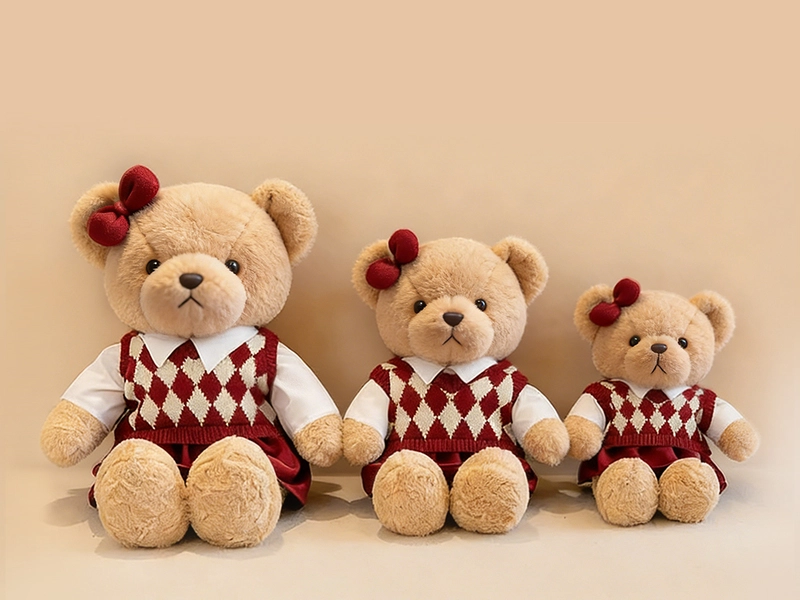
Creative teams often have a strong vision for a mascot or brand character but little experience translating that vision into an actual manufacturable product, which is exactly where dedicated manufacturer support becomes genuinely valuable rather than optional. Understanding how this kind of support works helps brands appreciate why the right production partner can meaningfully elevate an idea rather than simply reproducing it in fabric form.
Turning Rough Concepts Into Production-Ready Designs
Many creative ideas start as loose sketches or verbal descriptions that capture personality but lack the technical precision a pattern maker actually needs to build a working prototype. A skilled custom plush manufacturer bridges this gap by translating creative intent into technical pattern drawings, flagging which design elements will genuinely translate into soft goods and which might need adjustment to remain structurally sound. This collaborative refinement stage often improves the final design considerably beyond what the original concept sketch alone could have achieved.
Advising on Practical Manufacturing Considerations
Creative teams don’t always anticipate manufacturing realities like how thin appendages affect stuffing durability or how intricate color transitions complicate stitching, and experienced manufacturers proactively flag these considerations before they become costly problems. This kind of proactive guidance protects brands from discovering, only after receiving a disappointing sample, that their original vision needed practical adjustment from the very beginning. Teams that welcome this feedback rather than resisting it typically end up with stronger, more manufacturable final designs.
Supporting Brand Consistency Across Product Lines
Brands developing multiple characters or an evolving product line need manufacturing partners capable of maintaining consistent quality and stylistic cohesion across every release, not just a single standout hero product. This consistency depends on the manufacturer genuinely understanding a brand’s visual language, including proportion conventions, color palettes, and finishing techniques that make an entire collection feel unified. Manufacturers who document these standards carefully help brands scale their character roster without each new release feeling disconnected from the last.
Providing Realistic Timeline and Cost Guidance
Creative brand ideas sometimes arrive with unrealistic expectations about how quickly a design can move from concept to shelf-ready product, and honest manufacturers provide realistic timeline and cost guidance early rather than telling clients what they want to hear. This honesty, while occasionally uncomfortable, ultimately protects brands from committing to launch dates or marketing campaigns that production realities cannot actually support. Buyers should treat this kind of transparent communication as a genuinely positive signal about a supplier’s overall reliability.
Collaborating Through Iterative Feedback Loops
The best creative partnerships involve genuine iterative feedback, where design revisions get incorporated quickly and clearly rather than disappearing into a slow, opaque process that leaves brands guessing about progress. Explore how a well-run custom made plush toy development cycle keeps communication tight throughout every revision, sharing photos, videos, and honest commentary that helps brands make informed decisions at each checkpoint. This kind of engaged collaboration consistently produces stronger final products than a purely transactional, hands-off relationship ever could.
Bringing Creative Vision Into Reliable Production
Ultimately, creative brand ideas succeed commercially only when they translate into products that can actually be manufactured consistently, safely, and at a price point the business model supports. Manufacturers who genuinely understand this balance between creative ambition and manufacturing reality become invaluable partners rather than simple vendors, helping brands bring distinctive characters to market with considerably more confidence than they would have navigating production alone.
