

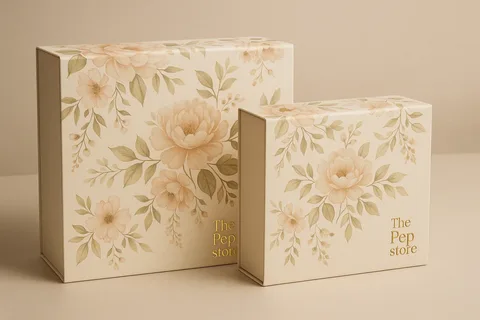
Innovative Packaging Solutions for Product Protection and Business Growth
Packaging has become one of the most valuable investments for businesses looking to protect products while creating a memorable customer experience. Whether products are sold in retail stores or shipped directly to consumers, quality packaging contributes to customer satisfaction and strengthens brand recognition. Companies searching for “Custom Packaging” often seek packaging solutions that combine durability, functionality, and attractive design. Professionally designed packaging protects products throughout transportation while reflecting a company’s commitment to quality. As competition continues to increase across multiple industries, businesses recognize that effective packaging plays a significant role in supporting marketing efforts, improving operational efficiency, and building long-term customer trust.
Understanding Professional Packaging
Professional packaging is developed specifically to meet the unique dimensions, protection requirements, and branding goals of individual products. Unlike generic packaging, customized solutions minimize unnecessary space while providing improved security during handling and transportation. Businesses researching “Custom Packaging” benefit from packaging that accurately represents their products while reducing waste and improving shipping efficiency. Personalized packaging also allows businesses to display logos, brand colors, product information, and creative designs that enhance overall presentation and strengthen customer recognition.
Importance of Product Protection
Protecting products throughout the supply chain remains one of the primary functions of quality packaging. Strong materials and carefully engineered box designs help reduce damage caused by shipping, handling, and storage conditions. Businesses interested in “Custom Packaging” understand that selecting the appropriate structural design and packaging materials minimizes product returns while improving customer confidence. Durable packaging not only safeguards products but also reduces operational costs associated with damaged merchandise and replacement shipments.
Branding and Visual Appeal
Packaging serves as an important marketing tool that influences customer perception before the product is even opened. Attractive graphics, consistent branding, and premium printing create a professional appearance that reflects positively on the business. Organizations investing in “Custom Packaging” frequently use customized designs to strengthen their market presence and create memorable unboxing experiences. Professionally printed packaging helps customers recognize products instantly while reinforcing brand consistency across all sales channels.
Selecting the Right Materials
The choice of packaging material depends on the nature of the product, transportation requirements, and environmental considerations. Corrugated cardboard, kraft paper, rigid board, folding cartons, and specialty materials each provide unique advantages for different industries. Businesses researching “Custom Packaging” should evaluate product weight, storage conditions, moisture exposure, and shipping methods before selecting packaging materials. Proper material selection ensures products remain protected while maintaining an attractive appearance from production through final delivery.
Sustainable Packaging Practices
Environmental sustainability has become an increasingly important consideration for businesses and consumers alike. Many companies now select recyclable, biodegradable, and responsibly sourced packaging materials that reduce environmental impact without compromising product protection. Businesses choosing “Custom Packaging” often adopt environmentally friendly packaging solutions that demonstrate corporate responsibility while meeting customer expectations for sustainable business practices. Eco-conscious packaging supports long-term environmental goals while maintaining excellent packaging performance.
Enhancing Customer Experience
Customer satisfaction begins with the first impression created by product packaging. Easy-to-open designs, protective inserts, organized presentation, and premium finishing contribute to a positive unboxing experience. Businesses investing in “Custom Packaging” understand that thoughtful packaging reflects attention to detail and encourages customers to associate the brand with quality and professionalism. Positive customer experiences frequently lead to repeat purchases, favorable reviews, and stronger brand loyalty over time.
Supporting Business Growth
High-quality packaging contributes directly to business growth by improving product presentation, reducing shipping damage, and strengthening brand recognition. Efficient packaging designs also simplify storage, inventory management, and transportation processes while supporting cost-effective operations. Organizations searching for “Custom Packaging” often discover that investing in customized packaging provides long-term financial benefits through improved customer satisfaction and reduced operational expenses. As businesses continue expanding into competitive markets, professional packaging becomes an important factor in maintaining consistent product quality and enhancing overall business performance.
Long-Term Value of Professional Packaging
Professionally designed packaging delivers lasting value beyond immediate product protection. Durable construction, efficient structural design, attractive branding, and sustainable materials contribute to stronger customer relationships and improved market positioning. Businesses utilizing “Custom Packaging” continue benefiting from packaging solutions that adapt to changing products, customer preferences, and industry trends. Continuous innovation in packaging technology allows companies to improve efficiency while maintaining exceptional presentation and product safety. By investing in quality packaging today, businesses establish a strong foundation for future growth, improved customer loyalty, and greater brand recognition within increasingly competitive markets.
