

The eyes help us see and experience the world around us. Keeping them healthy is important for maintaining clear vision throughout life. Many eye conditions can develop without causing noticeable symptoms in the early stages, which is why regular eye examinations are essential.
Some retinal conditions can increase the risk of serious vision problems if they are not detected and managed on time. Understanding these conditions helps people recognize the importance of timely diagnosis and appropriate care.
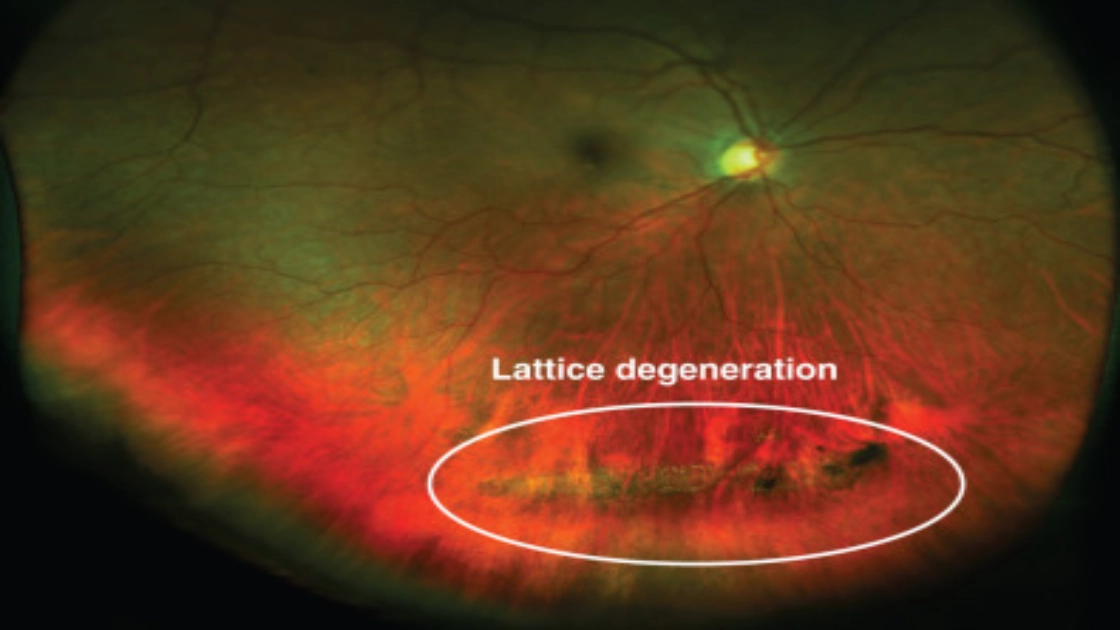
One such condition is Lattice Retinal Degeneration, a retinal disorder that affects the peripheral area of the retina. Although many people with this condition never experience significant vision problems, it can increase the risk of retinal tears and retinal detachment in certain cases.
Learning about the causes, symptoms, diagnosis methods, and care tips can help individuals protect their eye health and seek medical attention when necessary.
What Is Lattice Retinal Degeneration?
Lattice Retinal Degeneration is a condition in which certain areas of the retina become thinner than normal. The retina is the light-sensitive tissue located at the back of the eye. It receives visual information and sends signals to the brain, allowing us to see.
In this condition, the thinning occurs in a pattern that resembles a lattice or crisscross design. These weakened retinal areas can become more vulnerable to tears or holes over time.
The condition often affects both eyes and is usually found during a routine eye examination. Many people are unaware they have it because it often causes no symptoms in its early stages.
Understanding the Retina
To better understand this condition, it helps to know the role of the retina.
The retina is responsible for:
- Capturing light entering the eye
- Converting light into electrical signals
- Sending visual information to the brain
- Helping create clear and detailed vision
When the retina becomes damaged, vision can be affected. Conditions that weaken retinal tissue may increase the likelihood of complications if left untreated.
Causes of Lattice Retinal Degeneration
The exact cause is not always known. However, several factors may contribute to its development.
Genetic Factors
Research suggests that genetics may play a role. Individuals with a family history of retinal disorders may have a higher chance of developing this condition.
Nearsightedness (Myopia)
People with moderate to severe myopia are more likely to develop lattice degeneration. In nearsighted eyes, the eyeball is often longer than normal, which may place additional stress on the retina.
Aging
Changes in the eye that occur with age can contribute to retinal thinning and degeneration.
Vitreous Changes
The vitreous is the gel-like substance inside the eye. As people age, changes in the vitreous may pull on weakened retinal areas, increasing the risk of tears.
Who Is at Risk?
Certain individuals may be more likely to develop lattice retinal degeneration.
Risk factors include:
- High myopia (severe nearsightedness)
- Family history of retinal conditions
- Previous retinal tears
- Retinal detachment in one eye
- Aging-related eye changes
Having one or more risk factors does not guarantee complications, but regular monitoring becomes especially important.
Symptoms of Lattice Retinal Degeneration
Many individuals do not experience symptoms. The condition is often discovered during a comprehensive dilated eye examination.
However, symptoms may appear if complications develop.
Possible warning signs include:
Floaters
Floaters appear as small spots, threads, or cobweb-like shapes drifting across the field of vision.
Flashes of Light
Some individuals may notice sudden flashes or flickering lights, especially in peripheral vision.
Blurred Vision
Vision may become blurry if retinal complications occur.
Shadow or Curtain Effect
A dark shadow moving across part of the visual field may indicate retinal detachment and requires immediate medical attention.
Sudden Vision Changes
Any rapid change in vision should be evaluated by an eye specialist promptly.
Why Early Diagnosis Is Important
Early diagnosis allows eye specialists to monitor the retina and identify potential problems before they become serious.
Without proper monitoring, retinal tears may develop and progress to retinal detachment, a condition that can threaten vision.
Timely diagnosis helps:
- Detect retinal thinning
- Identify tears or holes
- Monitor disease progression
- Reduce the risk of severe complications
- Preserve vision through appropriate treatment when needed
How Is Lattice Retinal Degeneration Diagnosed?
Eye specialists use several methods to diagnose and evaluate retinal health.
Comprehensive Eye Examination
A complete eye exam helps assess overall eye health and identify retinal abnormalities.
Dilated Retinal Examination
Special eye drops are used to enlarge the pupils. This allows the specialist to examine the retina in detail.
A dilated exam is one of the most important tools for detecting lattice degeneration.
Indirect Ophthalmoscopy
This examination provides a wider view of the retina and helps identify areas of thinning, holes, or tears.
Retinal Imaging
Advanced imaging technologies may be used to document retinal findings and monitor changes over time.
Optical Coherence Tomography (OCT)
In some cases, OCT imaging may help evaluate retinal structures and support diagnosis.
Potential Complications
While many individuals never develop complications, some risks are associated with the condition.
Retinal Tears
Weak retinal tissue can develop tears when traction occurs from the vitreous gel.
Retinal Holes
Small openings may form in areas of retinal thinning.
Retinal Detachment
This is the most serious complication. Retinal detachment occurs when the retina separates from the underlying tissue.
Without prompt treatment, permanent vision loss may occur.
Treatment Options
Not everyone with lattice retinal degeneration requires treatment.
Management depends on:
- Presence of symptoms
- Risk factors
- Retinal tears or holes
- Previous retinal detachment history
Observation and Monitoring
Many patients only require regular eye examinations.
The specialist monitors retinal health and looks for signs of progression or complications.
Laser Photocoagulation
Laser treatment may be recommended when retinal tears or high-risk areas are detected.
The laser creates small burns around vulnerable retinal areas, helping secure the retina and reduce the risk of detachment.
Cryotherapy
Cryotherapy uses freezing treatment to create a protective scar around retinal tears.
This procedure may be recommended in selected cases.
Retinal Surgery
If retinal detachment develops, surgical treatment may be required to restore retinal position and protect vision.
What Happens During Laser Treatment?
Laser treatment is generally performed as an outpatient procedure.
The process usually includes:
- Eye drops are used to dilate the pupil.
- Numbing drops are applied.
- A laser is directed toward the affected retinal area.
- Small laser spots create scar tissue around weak areas.
- The patient can usually return home the same day.
Most individuals recover quickly and can resume normal activities according to their specialist’s advice.
Care Tips for People with Lattice Retinal Degeneration
Proper eye care can help reduce the risk of complications and support long-term retinal health.
Attend Regular Eye Checkups
Routine examinations allow early detection of changes in the retina.
Follow the examination schedule recommended by your eye specialist.
Know the Warning Signs
Seek immediate medical attention if you notice:
- Sudden increase in floaters
- New flashes of light
- Vision loss
- Shadow or curtain-like vision changes
Protect Your Eyes
Wear protective eyewear during sports and activities that may cause eye injury.
Manage Myopia
Individuals with high myopia should maintain regular retinal examinations.
Maintain General Health
Healthy lifestyle habits support overall eye health.
These include:
- Eating nutritious foods
- Staying physically active
- Managing blood pressure
- Controlling diabetes if present
- Avoiding smoking
Follow Medical Advice
Always follow recommendations provided by your eye specialist regarding monitoring and treatment.
Can Lattice Retinal Degeneration Be Prevented?
There is no guaranteed way to prevent lattice degeneration because genetics and natural eye changes may play a role.
However, you can reduce the risk of complications by:
- Having regular eye exams
- Reporting vision changes promptly
- Protecting the eyes from injury
- Managing underlying health conditions
- Following treatment recommendations
Early detection remains the best strategy for preserving vision.
Living with Lattice Retinal Degeneration
Most people with this condition continue to live normal lives and maintain good vision.
The key is awareness and ongoing monitoring. Understanding the warning signs and attending regular eye examinations can significantly reduce the risk of serious retinal complications.
Patients should not panic after diagnosis. In many cases, the condition remains stable for years without causing major problems. Working closely with an eye specialist ensures that any changes are identified and managed promptly.
Frequently Asked Questions
Is lattice retinal degeneration common?
Yes, it is a relatively common retinal condition and is often discovered during routine eye examinations.
Does it always cause vision loss?
No. Many people never experience vision loss and maintain normal vision throughout their lives.
Can it affect both eyes?
Yes, the condition frequently affects both eyes.
Is laser treatment always necessary?
No. Treatment is only recommended in selected cases where the risk of retinal tears or detachment is considered higher.
How often should eye examinations be performed?
The frequency depends on individual risk factors and your eye specialist’s recommendations.
Conclusion
Lattice Retinal Degeneration is a condition that causes thinning in certain areas of the retina and may increase the risk of retinal tears or detachment. Although many people experience no symptoms, regular eye examinations are essential for early detection and monitoring. Understanding warning signs such as flashes, floaters, and sudden vision changes can help ensure timely medical care when needed. With proper monitoring, preventive treatment when necessary, and regular follow-up, most individuals can maintain healthy vision and reduce the risk of serious complications. For personalized evaluation and expert guidance regarding retinal health, consult Dr. Mandeep Lamba.
