

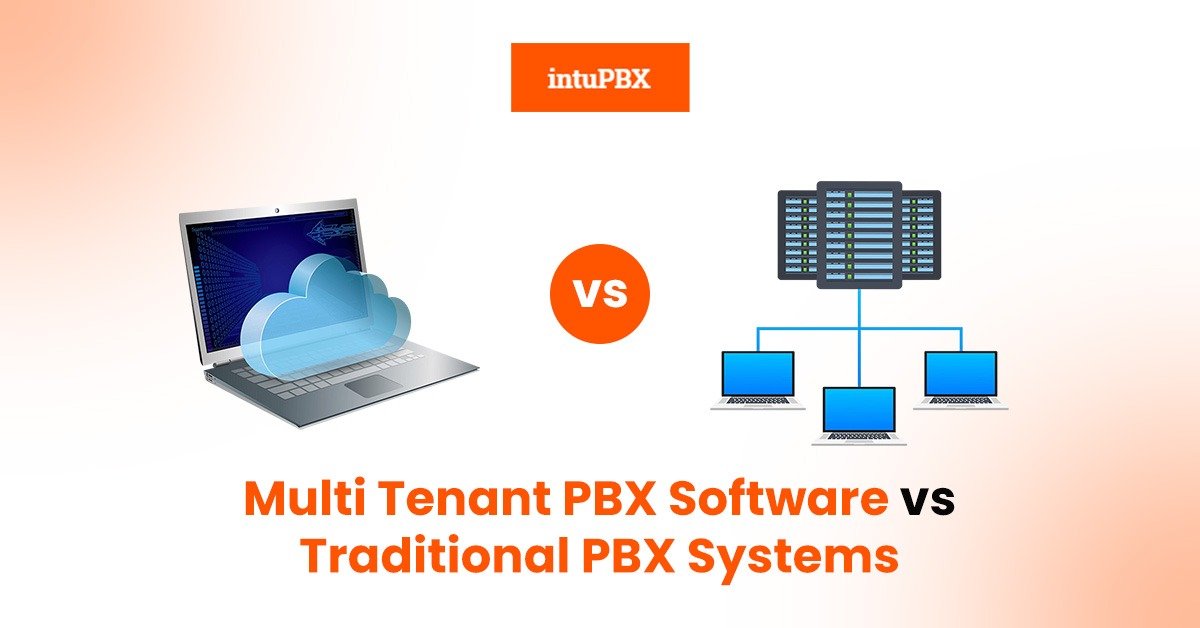
Communication technology has evolved significantly over the past decade. Businesses and telecom providers are increasingly moving away from traditional PBX systems and adopting modern communication platforms that offer greater flexibility and scalability.
One of the most significant advancements in this area is Multi Tenant PBX Software. Unlike traditional PBX systems that are designed for a single organization, multi tenant platforms allow multiple businesses to operate on the same communication infrastructure.
Understanding the differences between these two systems can help telecom providers choose the right solution for delivering modern communication services.
What is a Traditional PBX System?
A traditional PBX system is a private telephone network used by a single organization. It connects internal phone extensions and manages incoming and outgoing calls.
Traditional PBX systems are typically deployed on-premise and require dedicated hardware, maintenance, and infrastructure.
While they can handle internal communication effectively, they are not designed to support multiple independent organizations on the same system.
What is Multi Tenant PBX Software?
Multi Tenant PBX Software is a hosted communication platform that allows multiple businesses to share a single PBX infrastructure.
Each organization operates as an independent tenant with its own users, extensions, call routing rules, and configurations. Even though multiple tenants share the same system, their environments remain logically separated.
This makes multi tenant PBX systems ideal for telecom providers offering hosted PBX services.
Key Differences Between Multi Tenant PBX and Traditional PBX
Infrastructure
Traditional PBX systems require separate hardware installations for each organization. Every business must deploy and maintain its own PBX infrastructure.
Multi tenant PBX software uses a shared infrastructure that supports multiple tenants. This significantly reduces hardware requirements.
Scalability
Scaling traditional PBX systems can be challenging. Adding new users or expanding capacity often requires hardware upgrades or additional installations.
Multi tenant PBX platforms are designed for scalability. Providers can add new tenants and users without major infrastructure changes.
Cost Efficiency
Traditional PBX systems involve higher setup costs due to hardware, installation, and maintenance requirements.
Multi tenant PBX software reduces these costs by consolidating multiple organizations into a single system.
Management Complexity
Managing multiple traditional PBX systems can be complicated, especially for telecom providers serving many clients.
Multi tenant PBX platforms offer centralized management tools that allow administrators to control multiple tenants from one interface.
Service Deployment
Deploying traditional PBX systems for new customers can take time because hardware installation and configuration are required.
Multi tenant PBX software allows providers to activate services for new tenants quickly without additional hardware deployment.
Why Telecom Providers Prefer Multi Tenant PBX
For telecom providers offering hosted communication services, multi tenant PBX software provides significant advantages over traditional systems.
It allows providers to manage multiple customers efficiently, reduce operational costs, and scale services as their business grows.
With centralized infrastructure and simplified system management, providers can deliver communication services more effectively while maintaining high system performance.
Conclusion
Traditional PBX systems were designed for single organizations and often require dedicated infrastructure, making them less suitable for modern telecom service providers.
Multi Tenant PBX Software offers a more scalable and efficient approach by allowing multiple businesses to operate on a shared communication platform.
For telecom providers looking to deliver hosted PBX services and support a growing customer base, multi tenant PBX technology provides the flexibility, efficiency, and scalability needed to succeed in today’s competitive communication industry.
