

Introduction
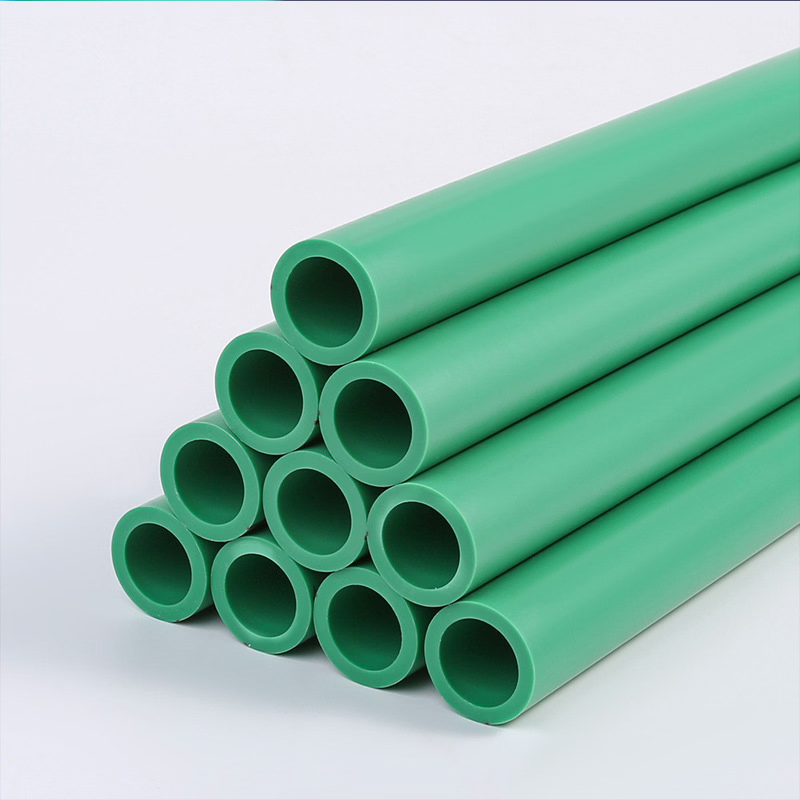
The demand for reliable piping systems in modern construction projects continues to grow across residential, commercial, and industrial sectors. Among the most trusted piping materials available today, ppr pipes Kenya have become a preferred choice for water supply networks, plumbing installations, heating systems, and large-scale construction projects.
Polypropylene Random Copolymer (PPR) pipes are known for their exceptional durability, corrosion resistance, leak-proof performance, and long service life. These qualities make them ideal for transporting potable water, hot water, and industrial fluids while maintaining high levels of efficiency and safety.
This comprehensive guide explores the advantages, applications, installation methods, and benefits of PPR piping systems in Kenya’s growing construction and infrastructure sectors.
Understanding PPR Pipes and Their Composition
PPR pipes are manufactured using polypropylene random copolymer, a thermoplastic material engineered for fluid transportation systems. Unlike traditional metal pipes that may corrode or PVC pipes that can become brittle over time, PPR pipes offer superior resistance to chemical reactions, scaling, and environmental degradation.
The material structure enables these pipes to maintain their integrity even under high-pressure operating conditions. Through heat fusion welding, fittings and pipes become a single homogeneous unit, eliminating common leakage points associated with threaded or glued connections.
This advanced technology has positioned PPR piping systems as one of the most dependable solutions for modern plumbing and water distribution networks.
Why PPR Pipes Are Popular in Kenya
Kenya’s rapid urbanization has created increasing demand for efficient plumbing infrastructure in residential estates, commercial developments, educational institutions, healthcare facilities, and industrial plants.
Several factors contribute to the growing adoption of ppr pipes Kenya across the construction industry:
Excellent Durability
PPR pipes can operate effectively for decades when installed correctly. Their resistance to wear and environmental stress significantly reduces maintenance requirements.
Corrosion-Free Performance
Unlike galvanized steel or iron pipes, PPR systems do not rust, corrode, or accumulate internal deposits. This ensures consistent water flow throughout their lifespan.
Leak-Proof Connections
Heat fusion technology creates seamless joints that become as strong as the pipe itself, minimizing the risk of leaks and water loss.
Safe for Drinking Water
PPR materials are non-toxic and hygienic, making them suitable for potable water distribution systems in homes, schools, hospitals, and commercial buildings.
Energy Efficiency
The thermal insulation properties of polypropylene help maintain water temperatures, reducing energy losses in hot water systems.
Major Applications of PPR Pipes
Residential Plumbing Systems
Modern residential developments require dependable water supply systems capable of delivering consistent performance over many years. PPR pipes are widely used for:
- Hot and cold water supply
- Kitchen plumbing
- Bathroom installations
- Water storage connections
- Rainwater harvesting systems
Their smooth internal surface minimizes friction, allowing efficient water flow throughout residential properties.
Commercial Buildings
Office complexes, shopping centers, hotels, and mixed-use developments require extensive plumbing networks. PPR systems offer scalability and long-term reliability that make them suitable for commercial projects.
Applications include:
- Central water distribution
- Air conditioning pipelines
- Fire protection systems
- Heating installations
- Utility infrastructure
Industrial Facilities
Industrial environments often involve challenging operating conditions that demand durable piping solutions.
PPR pipes are commonly utilized in:
- Manufacturing plants
- Food processing facilities
- Chemical transport systems
- Agricultural processing units
- Industrial water circulation networks
Their resistance to numerous chemicals makes them a valuable choice for industrial applications.
Agricultural Irrigation
Agriculture remains a vital sector in Kenya’s economy. Efficient irrigation infrastructure is essential for improving productivity and conserving water resources.
PPR piping systems support:
- Drip irrigation networks
- Greenhouse water supply
- Livestock water distribution
- Agricultural pumping systems
- Farm water storage connections
Advantages of PPR Pipes Over Traditional Materials
Longer Service Life
One of the most significant advantages of PPR technology is its exceptional lifespan. Properly installed systems can provide reliable service for more than 50 years under normal operating conditions.
Reduced Maintenance Costs
The corrosion-resistant properties of polypropylene significantly reduce repair and maintenance expenses compared to metal piping systems.
Superior Water Quality
Because PPR pipes do not rust or release harmful substances into the water supply, they help maintain water purity and safety.
Lightweight Construction
The lightweight nature of PPR materials simplifies transportation, handling, and installation, reducing labor costs on construction projects.
Environmental Sustainability
PPR pipes are recyclable and require less energy during manufacturing compared to many traditional piping materials, contributing to sustainable construction practices.
PPR Pipe Sizes and Pressure Ratings
Selecting the correct pipe diameter and pressure classification is essential for achieving optimal system performance.
Common pipe sizes include:
- 20mm
- 25mm
- 32mm
- 40mm
- 50mm
- 63mm
- 75mm
- 90mm
- 110mm
Pressure classifications generally include:
PN10
Suitable for lower-pressure cold water applications.
PN16
Designed for medium-pressure systems and general plumbing installations.
PN20
Frequently used in hot water supply systems and demanding commercial applications.
PN25
Recommended for high-pressure environments and specialized industrial systems.
Proper engineering calculations should always determine the appropriate size and pressure rating for each project.
Installation Best Practices
The performance of any piping system depends heavily on proper installation techniques.
Use Professional Fusion Welding Equipment
Heat fusion welding creates permanent leak-proof joints. Installers should use calibrated welding tools to achieve consistent results.
Follow Manufacturer Guidelines
Each piping system may have specific temperature, heating, and cooling requirements. Adhering to these recommendations ensures optimal joint strength.
Conduct Pressure Testing
Before commissioning the system, comprehensive pressure testing should verify the integrity of all connections.
Provide Adequate Pipe Support
Proper pipe support prevents excessive stress, sagging, and mechanical damage during operation.
Protect Against Physical Impact
Although PPR pipes are highly durable, proper routing and protection measures help maximize system longevity.
Choosing Quality PPR Pipes for Construction Projects
Not all piping products deliver the same level of performance. Project stakeholders should evaluate several factors before selecting a supplier.
Key considerations include:
- Product certification
- Manufacturing standards
- Pressure ratings
- Material quality
- Technical support
- Warranty coverage
- Availability of fittings and accessories
High-quality systems provide better long-term value by reducing maintenance expenses and minimizing operational disruptions.
Future of PPR Piping Systems in Kenya
As Kenya continues investing in housing developments, commercial infrastructure, industrial expansion, and water management projects, demand for advanced piping solutions is expected to increase significantly.
Modern construction trends increasingly emphasize:
- Sustainable infrastructure
- Water conservation
- Energy efficiency
- Reduced maintenance costs
- Long-term durability
These priorities align perfectly with the advantages offered by PPR technology, making it a critical component of future plumbing and water distribution networks.
Furthermore, growing awareness among engineers, architects, and contractors regarding lifecycle costs is accelerating the transition from conventional piping materials to modern polypropylene systems.
Conclusion
PPR pipes have transformed modern plumbing and water distribution by providing durable, corrosion-resistant, hygienic, and cost-effective solutions for residential, commercial, industrial, and agricultural applications. Their ability to withstand demanding operating conditions while maintaining long-term performance makes them an ideal choice for contemporary construction projects.
As infrastructure development continues to expand, the demand for dependable piping systems will remain strong. For builders, developers, engineers, and facility managers seeking reliable performance and long-term value, ppr pipes Kenya represent one of the most practical and future-ready solutions available in today’s construction market.
Frequently Asked Questions (FAQs)
What are PPR pipes used for?
PPR pipes are primarily used for hot and cold water supply systems, plumbing installations, industrial fluid transport, irrigation networks, and heating applications.
How long do PPR pipes last?
When properly installed and maintained, PPR piping systems can last more than 50 years under normal operating conditions.
Are PPR pipes suitable for drinking water?
Yes. PPR pipes are manufactured from non-toxic materials and are considered safe for potable water distribution systems.
Do PPR pipes rust or corrode?
No. PPR pipes are highly resistant to corrosion, rust, and scale formation, making them ideal for long-term water transportation.
Can PPR pipes handle hot water?
Yes. PPR pipes are specifically designed to transport both hot and cold water while maintaining structural integrity.
Why are fusion-welded joints important?
Fusion welding creates seamless, leak-proof connections that become part of the pipe itself, reducing the risk of future failures.
Are PPR pipes environmentally friendly?
Yes. PPR materials are recyclable and contribute to sustainable construction practices due to their durability and long service life.
How do I choose the right PPR pipe size?
The correct size depends on water demand, pressure requirements, and system design. Consulting a qualified engineer or plumbing professional is recommended.
