

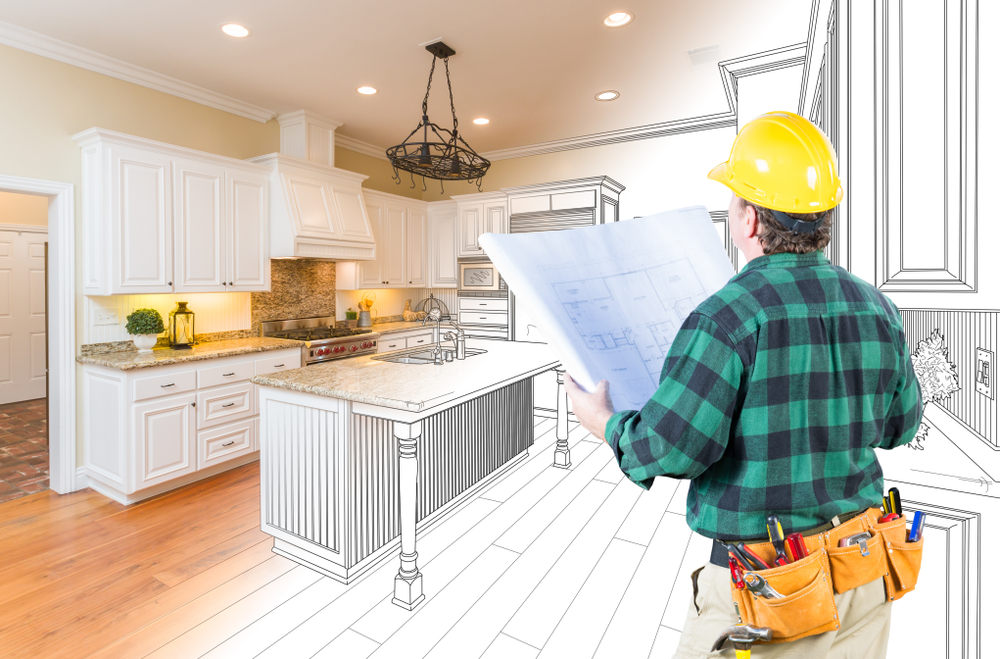
In the hospitality industry, maintaining a competitive edge requires continuous improvement and regular upgrades to hotel facilities. Guest expectations evolve rapidly, and branded hotel chains must ensure that their properties consistently meet updated design standards, operational requirements, and comfort expectations. To achieve this, many hotel owners and operators implement structured renovation programs known as property improvement plans.
A property improvement plan hotel strategy is a detailed roadmap created by hotel brands or management companies to bring a property up to current brand standards. It typically outlines required renovations, design updates, FF&E replacements, structural improvements, and operational enhancements. These plans are often issued when a hotel changes ownership, joins a brand, or fails to meet required quality benchmarks. The goal is to enhance guest experience, maintain brand consistency, and increase long-term profitability.
What Is a Property Improvement Plan in Hotels?
A property improvement plan (PIP) is a formal document provided by a hotel brand or franchisor that specifies the upgrades required for a property to comply with brand standards. These upgrades can include interior renovations, exterior enhancements, technology upgrades, and furniture replacements.
A property improvement plan hotel project is not just about aesthetics; it is a strategic investment in the property’s performance. It ensures that all aspects of the hotel—from guest rooms and lobbies to back-of-house operations—meet modern hospitality expectations. The plan typically includes timelines, budget expectations, design requirements, and compliance guidelines that must be followed during renovation.
Why Property Improvement Plans Are Important
Maintaining Brand Standards
Hotel brands rely on consistency to build trust and recognition among guests. When a property does not meet brand standards, it can negatively impact customer experience and brand reputation. A property improvement plan ensures that all locations maintain a uniform level of quality, design, and service.
Through a property improvement plan hotel, brands enforce upgrades that align outdated properties with current design guidelines. This includes updating furniture, refreshing interiors, improving lighting, and enhancing overall guest comfort. Consistency across properties strengthens brand identity and ensures guests receive the same experience regardless of location.
Improving Guest Experience
Guest satisfaction is one of the most important factors in hospitality success. Outdated interiors, worn furniture, and inefficient layouts can negatively affect the guest experience. Property improvement plans address these issues by modernizing spaces and improving functionality.
Renovations guided by a property improvement plan hotel strategy focus on creating comfortable, visually appealing, and efficient environments. Upgraded guest rooms, improved bathrooms, modern lobbies, and enhanced amenities all contribute to higher guest satisfaction, better reviews, and increased repeat bookings.
Increasing Property Value and Revenue
A well-executed property improvement plan can significantly increase the value of a hotel. Modernized properties attract more guests, command higher room rates, and improve occupancy levels. Investors and operators view updated hotels as lower risk and higher return assets.
By following a structured property improvement plan hotel, owners can maximize revenue potential while extending the lifecycle of their property. Renovations help reposition the hotel in the market, making it more competitive and financially sustainable.
Key Components of a Property Improvement Plan
Guest Room Renovations
Guest rooms are the core of any hotel experience. A property improvement plan often includes upgrading furniture, bedding, flooring, lighting, and wall finishes. Modern guest rooms focus on comfort, functionality, and aesthetic appeal.
Renovating guest rooms under a property improvement plan hotel strategy ensures that guests enjoy a consistent and high-quality experience. Improvements may also include adding smart technology, improving storage solutions, and enhancing bathroom design.
Public Area Enhancements
Lobby areas, corridors, restaurants, and lounges create the first impression for guests. These spaces must reflect the hotel’s brand identity and provide a welcoming atmosphere. Property improvement plans often focus heavily on upgrading these high-visibility areas.
Design improvements may include new seating arrangements, lighting upgrades, flooring replacement, and decorative enhancements. A modern and inviting public space significantly enhances guest perception and satisfaction.
FF&E Replacement and Upgrades
Furniture, fixtures, and equipment play a major role in both aesthetics and functionality. Over time, these items wear out and become outdated. A property improvement plan includes systematic replacement of FF&E to maintain quality standards.
Through a property improvement plan hotel, outdated furniture is replaced with modern, durable, and brand-compliant alternatives. This ensures consistency across rooms and public areas while improving guest comfort and operational efficiency.
The Implementation Process of Property Improvement Plans
Assessment and Planning Phase
The first step in any property improvement plan is a detailed assessment of the hotel’s current condition. This includes evaluating guest rooms, public areas, infrastructure, and operational systems.
Based on this assessment, a structured plan is developed outlining required upgrades, timelines, and budget allocations. Clear planning ensures that all stakeholders understand project expectations and deliverables.
Design and Budget Development
Once the scope of work is defined, designers and planners develop renovation concepts aligned with brand standards. At the same time, budgets are created to estimate total project costs, including construction, FF&E, and labor expenses.
A well-structured property improvement plan hotel ensures that design goals align with financial constraints, preventing unnecessary cost overruns while maintaining quality standards.
Construction and Execution
During the execution phase, renovations are carried out according to the approved plan. This includes demolition, construction, installation of new materials, and FF&E placement. Project managers coordinate all activities to ensure timely completion.
Careful execution is essential to minimize disruptions to hotel operations, especially if the property remains partially open during renovation.
Challenges in Property Improvement Plans
Operational Disruptions
One of the biggest challenges during hotel renovations is minimizing disruption to guests. Many properties must remain operational while improvements are being made, requiring careful scheduling and coordination.
Budget Overruns
Without proper planning, renovation costs can exceed initial estimates. Material price fluctuations, design changes, and unexpected repairs can all contribute to increased expenses.
Timeline Delays
Delays in construction, procurement, or approvals can extend project timelines. Effective project management is essential to keep renovations on track.
Conclusion
A property improvement plan hotel strategy is essential for maintaining brand standards, enhancing guest experience, and increasing property value in the hospitality industry. Through structured planning, design upgrades, and systematic renovations, hotels can transform outdated properties into modern, competitive, and profitable assets. While challenges such as cost control and operational disruptions may arise, a well-executed property improvement plan ensures long-term success, improved guest satisfaction, and stronger market positioning in an increasingly competitive hospitality landscape.
