

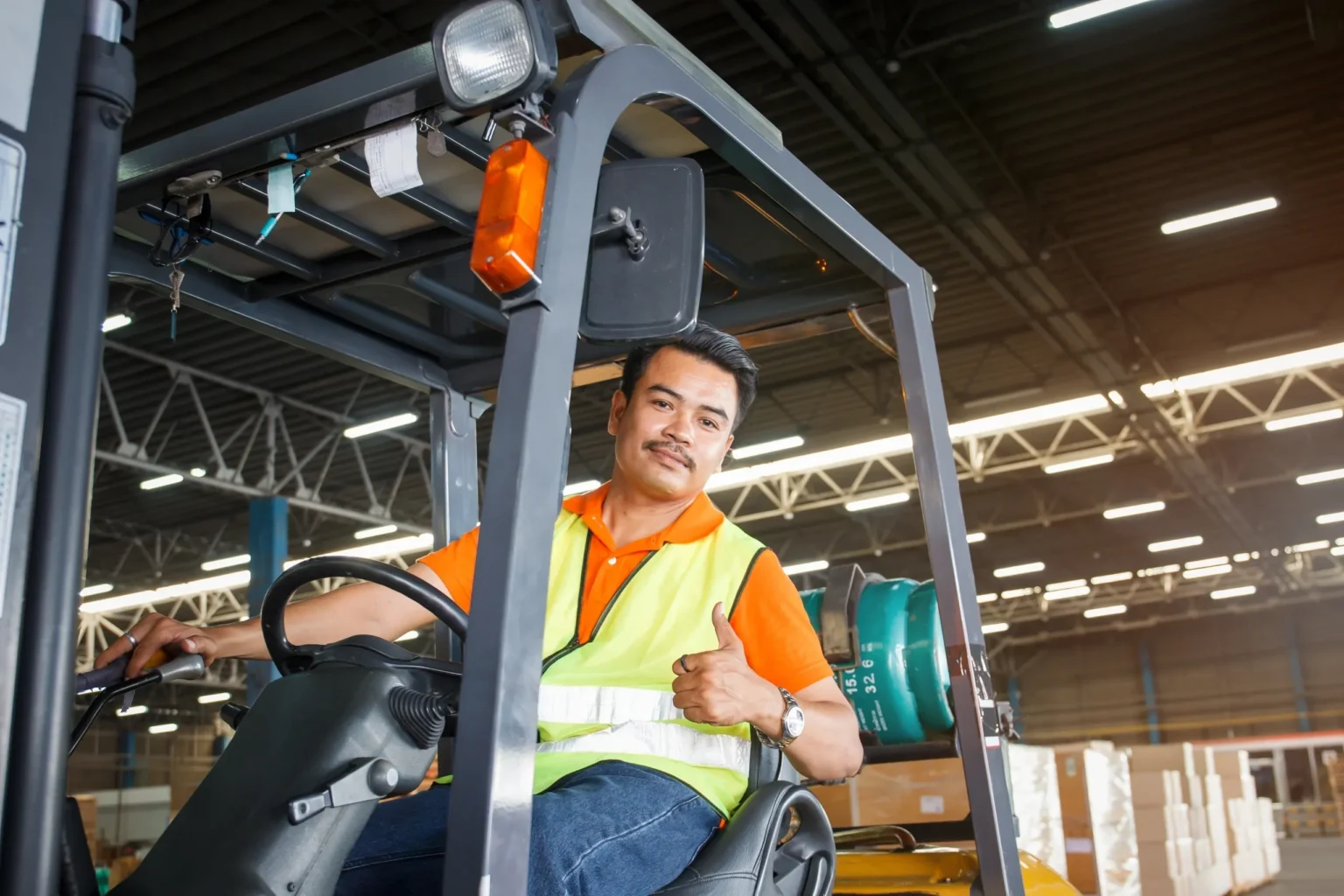
In the fast-paced world of material handling, efficiency and safety are everything. Manufacturers and operators in the Material Handling Equipment (MHE) industry are always on the lookout for innovative solutions to enhance vehicle safety, streamline operations, and minimize risks. One groundbreaking technology making waves is active speed control—an intelligent system that adjusts vehicle speed on the fly. In this blog, we’ll explore how active speed control systems are reshaping the material handling landscape, offering real-time data applications, and seamlessly integrating with automation technologies.
Understanding Active Speed Control
Active speed control is more than just a fancy term; it’s a smart technology that allows vehicles to adjust their speed automatically based on real-time conditions. By using sensors and sophisticated algorithms, these systems make sure that material handling vehicles operate at optimal speeds, which in turn boosts safety and efficiency. For those in the MHE industry, this translates to fewer accidents, less wear and tear on equipment, and a noticeable uptick in productivity.
The Role of Vehicle Safety Technology
Vehicle safety technology has come a long way in recent years, with active speed control leading the charge. By constantly monitoring the environment and vehicle performance, these systems can anticipate potential hazards and adjust speeds as needed. This proactive approach not only reduces the risk of collisions but also ensures that vehicles stick to safe speed limits, even in fast-paced and unpredictable settings like warehouse floors and loading zones.
Intelligent Transportation Systems and Their Impact
Active speed control plays a key role in intelligent transportation systems (ITS), which aim to make transportation networks smarter and more efficient. In material handling, ITS can optimize route planning, cut down on congestion, and improve overall operational flow. By combining active speed control with other ITS technologies, MHE operators can achieve unprecedented levels of control and adaptability in their operations.
Real-Time Data Applications in Material Handling
One of the most exciting aspects of active speed control is its dependence on real-time data. Sensors embedded in material handling vehicles gather a wealth of information, which is then analyzed to make quick decisions about speed adjustments. This capability not only enhances safety but also provides operators with valuable insights into vehicle performance and operational efficiency.
- Enhanced Decision-Making: With real-time data at their fingertips, operators can make informed choices about vehicle deployment and maintenance schedules.
- Predictive Maintenance: By analyzing speed and performance data, operators can spot potential mechanical issues before they escalate into costly downtime.
- Operational Efficiency: Active speed control systems can significantly reduce fuel consumption and extend the lifespan of vehicles by optimizing speed in real-time.
Automation in Material Handling
Automation isn’t just a thing of the future; it’s very much a reality that’s shaping the present of material handling. Active speed control systems are designed to work in harmony with automated technologies, creating a cohesive ecosystem that maximizes both efficiency and safety. From automated guided vehicles (AGVs) to robotic arms, active speed control boosts the performance of automated systems by ensuring that every movement is precise and safe.
The Future of Active Speed Control in MHE
The future looks bright for active speed control in the MHE industry. As technology progresses, these systems will become even more advanced, offering enhanced features and capabilities. Here are a few trends to watch for:
- Increased Connectivity: Expect better communication between vehicles and central control systems for more synchronized operations.
- Advanced AI Algorithms: Look out for smarter algorithms that can predict and respond to complex scenarios with greater accuracy.
- Integration with IoT: By leveraging the Internet of Things, we can create a fully connected and responsive material handling environment.
- Sustainability Initiatives: Active speed control systems contribute to sustainability by optimizing energy use and cutting down on emissions.
Conclusion
Active speed control is truly revolutionizing the material handling industry, combining safety, efficiency, and innovation in one package. For manufacturers and operators in the MHE sector, embracing this technology is essential for staying ahead of the curve, minimizing operational risks, and boosting productivity. As the industry continues to evolve, active speed control will undoubtedly play a crucial role in shaping the future of material handling, providing intelligent solutions that meet the demands of our ever-changing world.
By adopting active speed control systems, the MHE industry can not only enhance safety and efficiency but also pave the way for a more sustainable and tech-savvy future. As these systems become more widespread, they will continue to drive innovation, helping businesses achieve their operational goals while upholding the highest standards of safety and performance.
