

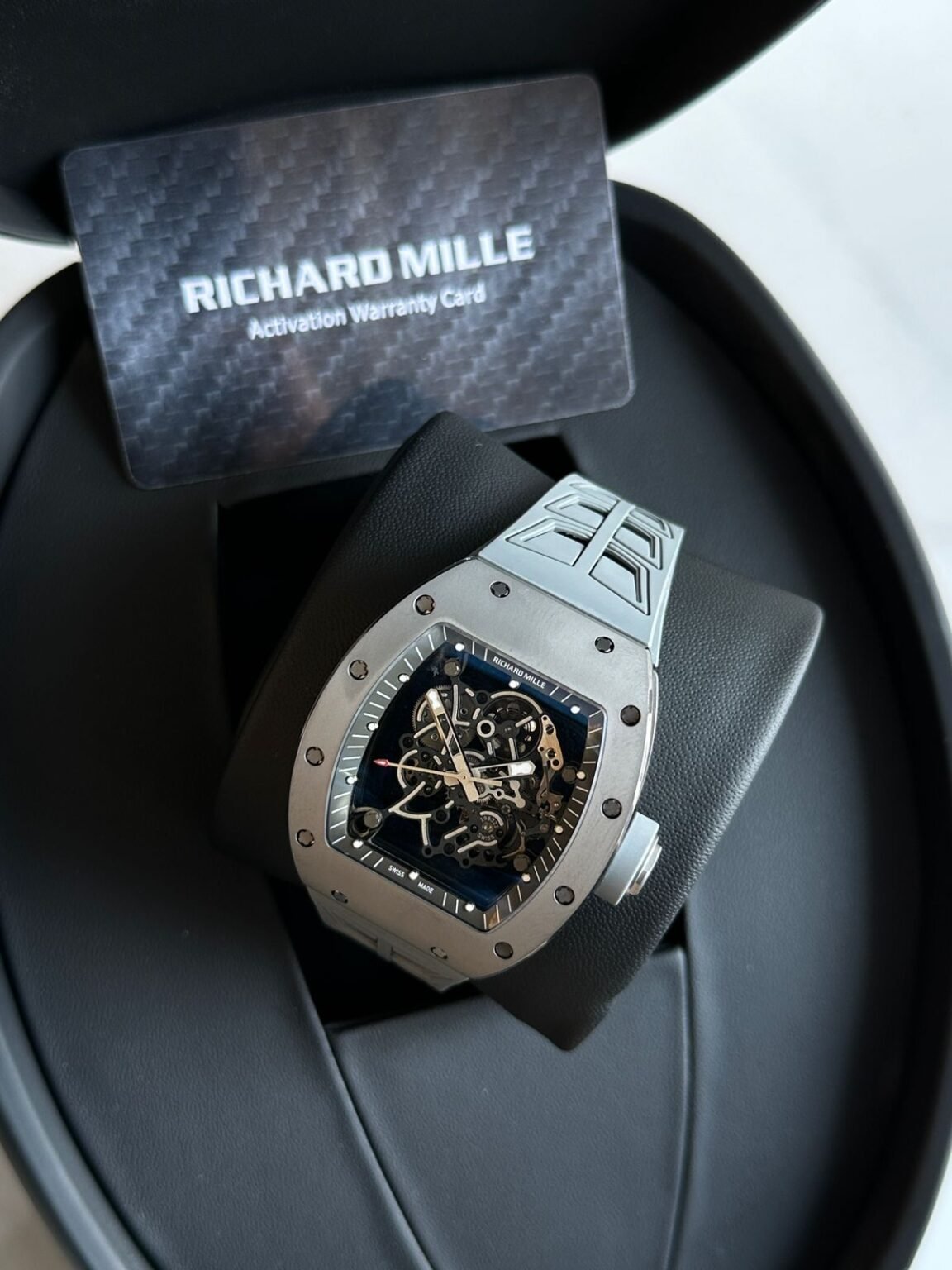
The luxury watch industry has always been associated with craftsmanship, exclusivity, and prestige, and Richard Mille stands among the most recognized names in this segment. Known for futuristic designs and extremely high price tags, Richard Mille first copy watches are often seen as status symbols worn by celebrities and elite collectors. Because of this exclusivity, a large market has emerged around what are commonly called first copy watches, which are replicas designed to imitate the appearance of original luxury models at a fraction of the price.
These imitation watches are widely circulated in informal markets and online spaces, often targeting buyers who admire the design but cannot access the original due to cost. However, the appeal of these copies comes with several important considerations that are often overlooked.
What First Copy Watches Really Are
First copy watches are essentially unauthorized replicas of luxury timepieces. They are designed to resemble original Richard Mille models in external appearance, including dial layout, case shape, and branding. While some of these replicas may look visually similar at first glance, they do not use the same engineering standards, materials, or movement technology found in authentic watches.
Original Richard Mille watches are built using advanced materials such as titanium alloys, carbon composites, and sapphire crystal components. In contrast, first copy versions typically rely on low cost metals and mass produced quartz or basic automatic movements. This difference significantly affects durability, accuracy, and long term performance.
Appeal and Market Demand
The demand for first copy watches is largely driven by affordability and visual similarity. Many buyers are attracted by the idea of wearing a watch that resembles a multi thousand or even multi hundred thousand dollar luxury piece without paying the actual price. Social media influence and lifestyle trends also contribute to this demand, as appearance often becomes more important than authenticity for some consumers.
Another factor is accessibility. Genuine Richard Mille watches are not easily available and often require purchase history or invitation from authorized dealers. This exclusivity pushes some buyers toward replicas as an alternative way to achieve a similar aesthetic.
Risks and Disadvantages of First Copy Watches
Despite their popularity, first copy watches or replica watches come with significant drawbacks. The most obvious issue is quality inconsistency. Since these products are not regulated or manufactured under official standards, their performance can vary widely. Some may stop working within months, while others may show immediate defects.
Another important concern is legal and ethical risk. Buying or selling counterfeit goods is illegal in many countries and supports an unregulated market that infringes on intellectual property rights. Consumers may unknowingly participate in activities that violate trademark laws.
There is also the issue of social perception. While some individuals purchase replicas for personal satisfaction, others may view them as misleading representations of authenticity. This can lead to reputational risks, especially in professional or luxury focused environments.
Differences Between Originals and Replicas
The difference between a genuine Richard Mille watch and a first copy version goes far beyond appearance. Authentic models undergo rigorous testing for precision, water resistance, and durability under extreme conditions. They are also assembled by skilled watchmakers using highly specialized techniques.
Replicas, on the other hand, prioritize visual imitation over functional excellence. The internal movement is usually mass produced and lacks fine calibration. Over time, this leads to reduced accuracy and frequent maintenance issues. Additionally, original watches often retain or increase their value, while replicas have no resale or investment value.
Safer and Legal Alternatives
For individuals who appreciate the design language of Richard Mille but cannot invest in an original piece, there are several legal alternatives available. Many reputable watch brands offer sport inspired luxury designs that share similar aesthetics without copying exact trademarked elements. These watches provide better reliability and customer support while staying within legal boundaries.
Another option is exploring entry level luxury watches from established brands that focus on craftsmanship and long term durability. These alternatives allow buyers to enjoy quality timepieces without engaging in counterfeit markets.
Conclusion
First copy watches inspired by Richard Mille may appear attractive due to their affordability and visual similarity, but they come with notable risks involving quality, legality, and long term satisfaction. While they attempt to replicate the appearance of luxury, they cannot replicate the engineering excellence or prestige of genuine timepieces.
Understanding these differences helps consumers make more informed decisions and encourages a shift toward authentic, ethical, and higher quality watch ownership.
