


Experiencing some discomfort after a dental procedure is usually part of the healing process. However, many people become concerned when pain continues beyond the first few days or seems more noticeable than expected. While lingering soreness does not always indicate a serious problem, understanding the reasons behind persistent discomfort can help ease concerns and encourage appropriate action when needed. Recovery varies from person to person, and several factors can influence how quickly healing takes place. Knowing what is normal and what may require attention is an important part of post-treatment care.
Is Pain After Dental Surgery Normal?
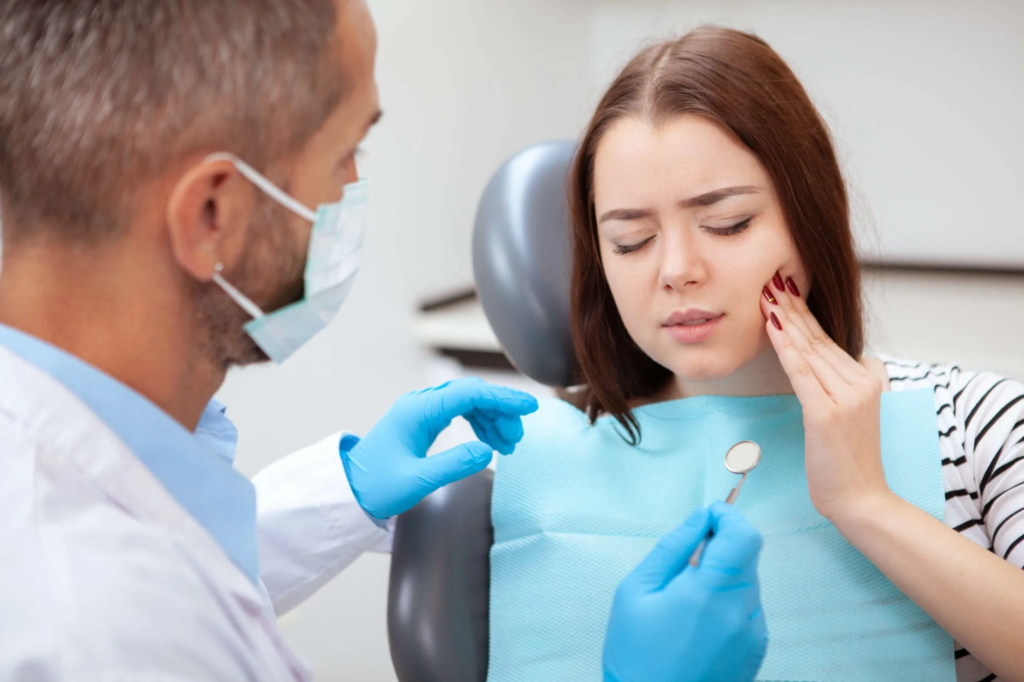
Pain after a dental procedure is often a natural response to treatment. During surgery, tissues within the mouth may be disturbed, resulting in inflammation and temporary sensitivity. As the body begins to heal, mild discomfort is commonly experienced.
The amount of pain felt can depend on the type of procedure performed, the complexity of the treatment, and individual healing responses. Some people notice soreness for only a few days, while others may experience tenderness for a longer period.
In many cases, symptoms gradually improve with time. Mild swelling, sensitivity when chewing, and slight discomfort around the treatment area are often considered normal during the early stages of recovery. The key is that symptoms should generally improve rather than become more severe.
Common Reasons Pain May Persist
There are several reasons why discomfort may continue after treatment. One of the most common causes is ongoing inflammation. Healing tissues naturally produce an inflammatory response, which helps repair damaged areas but can also create temporary soreness.
Patients who undergo dental surgery Wimbledon, professionals may notice sensitivity around the treated area while tissues continue to recover. This sensitivity can be more noticeable when eating, brushing, or applying pressure to the affected region.
Other common reasons for prolonged discomfort include:
- Tender healing tissues
- Minor irritation caused by daily mouth movements
- Pressure around the surgical site
- Sensitivity to hot or cold foods and drinks
While these symptoms may be frustrating, they often improve steadily as healing progresses.
How Long Should Recovery Discomfort Last?
Recovery timelines vary considerably depending on the procedure. Minor treatments may result in only a few days of discomfort, while more complex procedures can require several weeks for complete healing.
Factors that may affect recovery include age, general health, oral hygiene habits, and adherence to aftercare instructions. Following professional guidance carefully often helps support a smoother healing process and reduces the likelihood of complications.
Signs That Healing Is Progressing Normally
Understanding the signs of normal healing can help reduce unnecessary worry. In most cases, discomfort gradually becomes less noticeable over time.
Positive signs of recovery often include:
- Reduced swelling
- Less tenderness each day
- Improved ability to eat comfortably
- Gradual return to normal oral function
- Healthy-looking gum tissue around the treatment area
Mild sensitivity may still be present even when healing is progressing well. This is particularly common when deeper tissues are recovering beneath the surface.
Patience is often required during recovery, as healing does not always occur at the same pace for every individual. Monitoring improvement over time is usually more important than focusing on day-to-day changes.
When Pain May Indicate a Problem
Although some discomfort is expected, certain symptoms should not be ignored. Pain that becomes more severe rather than improving may indicate that professional assessment is necessary.
Individuals considering treatments such as dental veneers Wimbledon providers offer should also understand the importance of monitoring oral health after any dental procedure. Persistent pain is never something that should be dismissed without evaluation.
Warning signs that may require attention include:
- Increasing pain after initial improvement
- Significant swelling that worsens
- Ongoing bleeding
- Difficulty chewing or speaking
- Unpleasant taste or odour in the mouth
These symptoms do not automatically indicate a serious problem, but they do warrant professional advice. Early assessment often allows concerns to be addressed before they become more complicated.
What Can Make Recovery Take Longer?
Several factors may slow the healing process and contribute to prolonged discomfort. Understanding these influences can help patients support recovery more effectively.
Patients receiving dental surgery Wimbledon clinics perform may experience delayed healing if certain lifestyle or oral health factors are present.
Common contributors include:
- Smoking or tobacco use
- Poor oral hygiene practices
- Existing gum disease
- Excessive pressure on the treatment area
- Failure to follow aftercare recommendations
Smoking, in particular, can reduce blood flow to healing tissues, making recovery slower and potentially increasing irritation. Similarly, inadequate cleaning may allow bacteria to accumulate around the surgical site, which can interfere with normal healing.
Maintaining a clean oral environment and following professional advice remain important throughout the recovery period.

Managing Discomfort During Recovery
Supporting healing involves more than simply waiting for symptoms to improve. Taking sensible steps during recovery can help reduce discomfort and promote healthier healing.
Patients are often advised to:
- Follow all post-treatment instructions carefully
- Maintain good oral hygiene while avoiding irritation
- Stay hydrated throughout the day
- Choose softer foods when necessary
- Avoid habits that may place stress on the healing area
Consistency is important. Small daily actions often have a significant impact on recovery outcomes and overall comfort.
It is equally important to avoid making assumptions about symptoms. If discomfort feels unusual or continues longer than expected, seeking professional guidance is always advisable.
The Importance of Follow-Up Appointments
Follow-up appointments play an important role in monitoring recovery. These visits allow dental professionals to assess healing progress and identify any issues that may require attention.
People researching treatments such as dental veneers Wimbledon practices often focus on the procedure itself, but aftercare and review appointments are equally important aspects of successful treatment outcomes.
During follow-up visits, dentists can:
- Evaluate healing tissues
- Check for signs of infection or irritation
- Monitor overall recovery progress
- Provide additional guidance if required
Early identification of concerns often leads to quicker and more effective management. Even when healing appears normal, professional reassurance can provide valuable peace of mind.
Conclusion
Persistent discomfort after a dental procedure can have several causes, many of which are part of the normal healing process. Inflammation, tissue sensitivity, and individual recovery differences may all contribute to ongoing soreness. However, symptoms that worsen or fail to improve should never be ignored. Understanding the difference between expected healing and potential complications allows patients to make informed decisions about their care. If concerns arise during recovery, seeking professional advice is always the safest approach. For expert support and guidance, The Dental Lounges – Wimbledon can help ensure recovery remains on the right track.
