

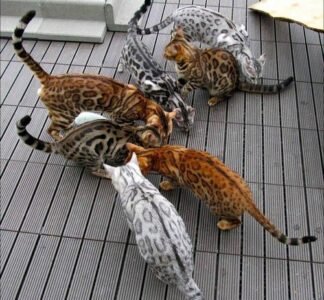
A leopard-patterned kitten darts across the room, climbs the back of a chair in seconds, and lands gracefully before racing toward the next adventure. That level of athleticism is not typical of every domestic cat. It is one of the defining characteristics of Bengal kittens – a breed known for intelligence, agility, and endless curiosity. Beneath their stunning spotted coats lies the metabolism of a miniature athlete, and that changes everything about how they should be fed.
Many first-time Bengal owners are surprised by how different these cats can be from traditional house cats. Their energy levels are higher, their muscles develop quickly, and their bodies demand premium nutrition to support healthy growth. For owners raising leopard Bengal kittens, diet is not just about keeping a food bowl full. It is about building a strong foundation for lifelong health, behavior, immunity, and vitality.
Understanding the nutritional needs of this exotic breed is essential for anyone considering Bengal ownership, especially families researching Bengal cats for sale in South Carolina and wanting to provide the best possible start for their future companion.
Why Bengal Kittens Have Different Nutritional Demands?
Bengal cats descend from crossings between domestic cats and the Asian leopard cat, which contributes to their striking appearance and active nature. While modern Bengals are fully domesticated, their physical energy remains extraordinary compared to many other breeds.
Most kittens go through bursts of play followed by long periods of rest. Bengal kittens, however, often remain active for extended periods throughout the day. Their rapid movement, climbing habits, and constant curiosity require more calories and more efficient nutrient absorption.
This means low-quality commercial food filled with fillers and artificial ingredients may not meet their needs adequately. Bengal kittens thrive on diets rich in high-quality animal protein, healthy fats, and essential vitamins that support both muscle growth and brain development.
Their bodies are constantly developing during the first year of life, and nutritional deficiencies during this stage can affect coat quality, digestion, bone strength, and immune function.
Protein: The Foundation of a Bengal Kitten’s Diet
Protein is the single most important component of a Bengal kitten’s nutrition. Cats are obligate carnivores, meaning they rely heavily on nutrients found in animal-based proteins. Active breeds like Bengals require even more protein than the average house cat.
A high-quality kitten food should list meat, such as chicken, turkey, duck, salmon, or rabbit, as the primary ingredient. Protein helps support:
- Lean muscle development.
- Healthy organ function.
- Tissue repair.
- Strong immune response.
- Sustained energy levels.
Because leopard Bengal kittens are naturally muscular and athletic, insufficient protein can lead to poor development and lower energy regulation.
Experts generally recommend premium kitten formulas specifically designed for growth stages. These diets contain higher protein percentages and balanced amino acids needed for developing bodies.
Healthy Fats Fuel Energy and Brain Development
Many cat owners mistakenly fear dietary fat, but healthy fats are critical for Bengal kittens. Since Bengals burn energy quickly, fats act as a concentrated fuel source that supports their active lifestyle.
Omega-3 and Omega-6 fatty acids also play a significant role in:
- Brain development
- Eye health
- Skin hydration
- Coat shine
- Joint support
One look at a healthy Bengal reveals the importance of proper fat intake. Their signature glossy coat and vivid markings often reflect nutritional quality.
Foods containing fish oil, salmon oil, or poultry fat can provide beneficial fatty acids naturally. However, balance is important. Excessive fat without proper nutritional balance can lead to digestive issues or unhealthy weight gain.
Hydration Matters More Than Many Owners Realize
Bengal kittens are energetic, but many cats naturally have a low thirst drive. This makes hydration a major concern, particularly for active breeds.
Wet food can be extremely beneficial because it increases moisture intake while providing high-quality protein. Some owners choose a mixed feeding approach that combines wet and dry food to balance hydration, convenience, and dental health.
Proper hydration helps support:
- Kidney function
- Digestion
- Nutrient absorption
- Urinary tract health
- Body temperature regulation
Fresh water should always be accessible. Many Bengal owners also notice their cats prefer moving water, making pet fountains a useful investment.
The Role of Vitamins and Minerals in Growth
Rapid growth requires more than calories alone. Bengal kittens need balanced micronutrients to support skeletal and neurological development.
Key nutrients include:
Calcium and Phosphorus
These minerals help build strong bones and teeth. Improper ratios can affect skeletal growth during kittenhood.
Taurine
Taurine is essential for heart health, vision, and reproduction. Since cats cannot produce sufficient taurine naturally, it must come from their diet.
Vitamin E and Antioxidants
These nutrients help strengthen the immune system and protect growing cells from oxidative stress.
DHA
Docosahexaenoic acid (DHA), commonly found in fish oils, supports cognitive development and visual function.
Premium kitten foods are generally formulated to provide these nutrients in appropriate amounts, which is why veterinary-approved diets are strongly recommended.
Raw Diets and Bengal Kittens: Proceed Carefully
Some Bengal kitten owners are attracted to raw feeding because of the breed’s exotic lineage. While raw diets can work for certain cats when properly formulated, they also carry risks if nutritional balance is incorrect.
Improper raw diets may lead to:
- Nutritional deficiencies
- Bacterial contamination
- Digestive issues
- Bone hazards
- Long-term developmental problems
For growing kittens, precision matters. Anyone considering raw feeding should work closely with a veterinary nutritionist to ensure the diet is complete and safe.
A professionally balanced commercial kitten food is often the safest and most practical option for first-time Bengal owners.
Feeding Frequency for Growing Bengal Kittens
Bengal kittens require frequent meals because of their rapid metabolism and constant activity levels.
A typical feeding schedule may include:
- 8–12 weeks: 4 meals daily.
- 3–6 months: 3 meals daily.
- 6–12 months: 2–3 meals daily.
Smaller, frequent meals help stabilize energy levels and support digestion. Free-feeding dry food all day may encourage overeating or unhealthy eating patterns in some cats.
Monitoring weight, activity, and stool quality can help owners adjust feeding portions appropriately.
Common Dietary Mistakes Bengal Owners Make
Even devoted pet owners can unknowingly make nutritional mistakes. Some of the most common include:
Choosing Food Based Only on Marketing
Packaging terms like “natural” or “premium” do not always guarantee nutritional quality. Ingredient labels matter more than branding.
Feeding Excessive Treats
Treats should remain occasional. Overfeeding treats can disrupt nutritional balance and encourage picky eating habits.
Switching Foods Too Quickly
Bengal kittens may have sensitive digestive systems. Sudden changes in diet can lead to stomach upset or diarrhea.
Ignoring Activity Levels
Because Bengals are highly active, calorie needs may differ significantly from less energetic breeds.
Nutrition Impacts Behavior Too
Diet affects more than physical health. Poor nutrition can contribute to behavioral issues such as hyperactivity, irritability, or lethargy.
Well-fed Bengal kittens often display:
- Better focus during training.
- More stable energy levels.
- Improved mood.
- Healthier sleep patterns.
- Stronger social engagement.
Since Bengals are exceptionally intelligent, mental and physical wellness are deeply connected.
Finding Healthy Bengal Kittens Starts with Responsible Breeders
Good nutrition begins before a kitten even arrives home. Reputable breeders prioritize health testing, proper weaning practices, and high-quality kitten diets from the start.
Families searching for Bengal cats for sale in South Carolina should ask breeders detailed questions about feeding routines, nutritional recommendations, vaccination schedules, and veterinary care.
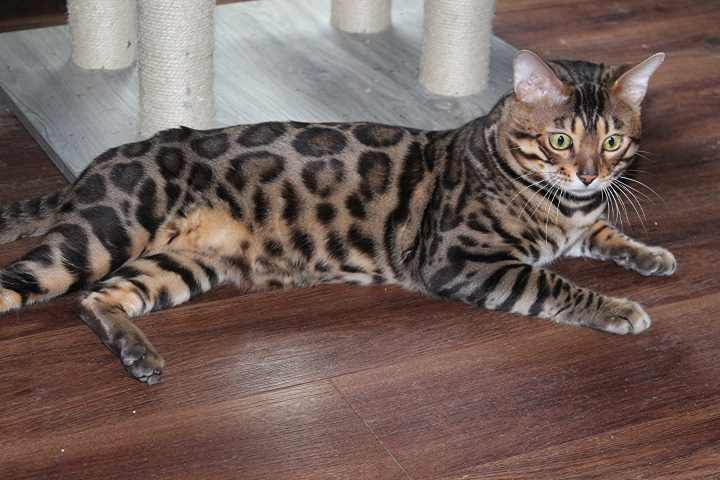
Healthy leopard Bengal kittens should appear alert, energetic, clean-coated, and socially engaged. Ethical breeders also provide transition guidance to help kittens adapt smoothly to their new homes.
Final Thoughts
Raising a Bengal kitten is unlike raising an ordinary cat. Their intelligence, athleticism, and exotic beauty come with unique nutritional demands that directly influence their development and long-term health.
For leopard Bengal kittens, food is more than nourishment, it is the fuel behind every leap, sprint, climb, and playful moment. High-quality protein, balanced fats, hydration, and essential nutrients all work together to support the extraordinary lifestyle of this active breed.
Owners willing to invest in proper nutrition are often rewarded with healthier coats, stronger immunity, better behavior, and years of companionship from one of the most captivating feline breeds in the world.
Whether you are already caring for a Bengal or researching Bengal cats for sale in South Carolina, understanding the importance of nutrition is one of the smartest decisions you can make for your future companion.
