

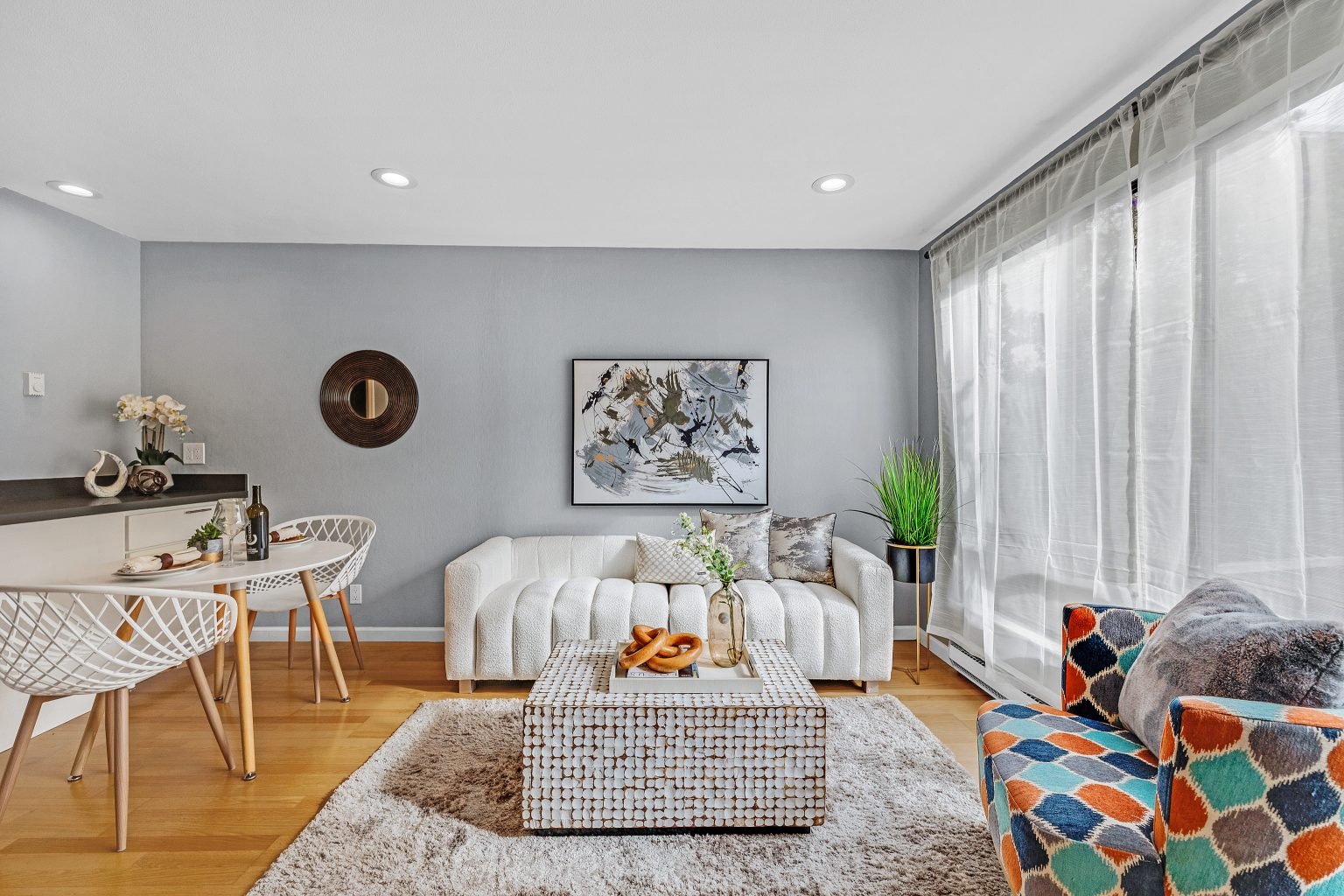
Selling a home involves more than cleaning rooms and placing a listing online. Buyers often make emotional decisions within moments of entering a property, which means presentation plays a major role in shaping perception. Many homeowners confuse interior decorating with home staging because both improve the look of a space. Still, each serves a completely different purpose.
When people search for staging home services in Dublin, they usually want practical solutions that help a property attract buyers quickly. Interior decorating focuses on personal style and long-term comfort, while home staging centers on creating broad appeal for potential buyers. Understanding this difference helps homeowners make better decisions before listing a property.
Understanding Interior Decorating
Interior decorating focuses on personal expression. A decorator works with furniture, artwork, textures, and colors to create a space that reflects a homeowner’s taste and lifestyle. Decorating aims to make a house feel comfortable, functional, and visually pleasing for people who live there every day.
A decorator may recommend bold wall colors, statement furniture, or customized layouts that fit a client’s personality. Those choices often create warmth and individuality. While decorating adds beauty, it does not always align with what buyers expect in a competitive market.
Many homeowners contact Fremont home stagers after realizing that a beautifully decorated home may still struggle to connect with buyers. Personal style sometimes distracts buyers from seeing a property’s full potential.
What Home Staging Really Means
Home staging prepares a property specifically for sale. Instead of highlighting personal preferences, staging highlights space, flow, and functionality. A staged home helps buyers imagine their future life inside the property.
Professional staging usually includes decluttering, rearranging furniture, improving lighting, and adding neutral design elements. Every decision supports a single goal, helping a property look inviting to the highest number of buyers.
Homeowners exploring staging home services in Dublin often discover that staging creates a cleaner and more polished appearance without requiring a complete redesign. Strategic furniture placement and subtle styling often make rooms appear larger and brighter.
The Purpose Behind Each Approach
Interior decorating supports lifestyle. Home staging supports real estate marketing.
That distinction changes every design decision. Decorating embraces personal memories, favorite colors, and unique collections. Staging removes distractions so buyers focus on the home itself.
For example, a decorator may suggest family photo walls and customized shelving because those additions create emotional comfort for current residents. A stager would likely remove those items to create a neutral environment that appeals to many buyers.
Experienced Fremont home stagers understand how buyer psychology affects purchasing decisions. Buyers usually connect more easily with spaces that feel open, balanced, and adaptable.
Target Audience Makes the Difference
Interior decorating serves homeowners. Home staging serves potential buyers.
That simple shift changes the entire design process. Decorators work closely with clients to create spaces that match personal routines and preferences. Stagers analyze local real estate trends and buyer expectations before making recommendations.
Someone decorating a home may choose dark accent walls, oversized furniture, or dramatic artwork because those elements reflect personality. A staging professional usually selects neutral tones and clean layouts because those choices create wider appeal.
People researching staging home services in Dublin often want guidance that aligns with current market conditions rather than personal taste. Buyers respond strongly to spaces that feel bright, organized, and move in ready.
Furniture Choices in Decorating and Staging
Furniture selection reveals a major difference between decorating and staging.
Decorating prioritizes comfort and daily living. A homeowner may choose oversized sectionals, heavy furniture, or highly customized pieces because they fit family needs. Staging focuses on proportion, room flow, and visual openness.
Professional stagers often remove excess furniture to make rooms feel larger. They may replace bulky items with lighter pieces that improve movement throughout the home.
Many sellers contact Fremont home stagers after noticing that crowded rooms appear smaller in listing photos. Buyers often judge homes online before scheduling tours, which means visual presentation matters from the first click.
Emotional Connection Works Differently
Both decorating and staging create emotional reactions, although they achieve that goal differently.
Decorating builds personal attachment for homeowners. Staging creates universal appeal for buyers. A decorated home tells the current owner’s story, while a staged home leaves room for buyers to imagine their own story.
Staging relies on subtle emotional cues. Soft lighting, balanced layouts, and neutral textures help buyers feel comfortable without overwhelming them.
Homeowners looking into staging home services in Dublin often learn that buyers respond more positively to calm and uncluttered environments. Clean visual lines help people focus on possibilities instead of distractions.
Why Neutral Design Matters in Staging
Neutral design remains a core principle in home staging because it broadens buyer appeal.
Bright paint colors and personalized décor may reflect strong taste, although those choices may limit emotional connection for some buyers. Neutral tones create flexibility and help buyers picture their own furniture and style in the space.
Staging does not mean making a home feel cold or empty. Skilled stagers add warmth through layered textures, lighting, and carefully selected accessories.
Many Fremont home stagers use neutral palettes because they photograph well and create consistency throughout a property. Strong online presentation often increases buyer interest before an in person visit even happens.
Cost Differences Between Decorating and Staging
Budget expectations also differ between these services.
Interior decorating often involves long term investments. Homeowners may purchase expensive furniture, custom artwork, or renovation upgrades designed for everyday enjoyment.
Home staging usually works within a shorter timeline and focuses on return on investment. Small updates often create meaningful improvements without requiring major spending.
People searching for staging home services in Dublin frequently want affordable ways to improve market appeal before listing a property. Strategic staging often delivers strong visual impact through organization, lighting adjustments, and furniture placement.
Timing Plays an Important Role
Interior decorating may happen at any stage of homeownership. People decorate after moving in, during renovations, or while updating their lifestyle.
Home staging usually happens before listing a property for sale. Timing matters because staged homes often photograph better, attract more interest online, and create stronger first impressions during showings.
Experienced Fremont home stagers often coordinate closely with real estate professionals to prepare homes before photography and open houses. Early preparation usually supports smoother marketing efforts.
How Buyers Perceive Staged Homes
Buyers rarely walk into a property and analyze technical design choices. Most react emotionally within seconds.
A staged home feels organized, spacious, and welcoming. Buyers often view staged spaces as better maintained because presentation influences perception.
Research from real estate organizations consistently shows that staged homes tend to attract stronger buyer attention online and during tours. Buyers also spend more time exploring visually appealing properties.
Homeowners considering staging home services in Dublin may notice that staging supports both online marketing and in person showings. Strong presentation creates confidence and encourages emotional connection.
Choosing the Right Service for Your Goals
Choosing between decorating and staging depends entirely on your goal.
If you want a home that reflects personal style and daily comfort, interior decorating makes sense. If you plan to sell a property and attract serious buyers, home staging usually offers greater value.
Some homeowners combine both approaches. They enjoy personalized décor while living in the home and transition to staging before listing the property.
Professional Fremont home stagers understand how to shift a home from personal living space into a market ready environment without removing all warmth and character.
Final Thoughts
Interior decorating and home staging may appear similar at first glance, although their purpose differs completely. Decorating celebrates personal taste and long-term comfort. Home staging focuses on buyer psychology, market appeal, and property presentation.
Homeowners preparing to sell often benefit from understanding how buyers view a property differently from current residents. A carefully staged home creates stronger visual impact, supports emotional connection, and helps buyers picture themselves living in the space.
Many people exploring staging home services in Dublin want practical ways to improve buyer interest without making dramatic changes. Thoughtful staging helps a property feel welcoming, spacious, and ready for its next chapter.