

Embroidery work depends on accuracy, consistency, and clean finishing. Every stitch, cut, and trim shapes the final appearance of fabric. Small mistakes during cutting often affect design quality, material usage, and production speed. Precision blades support embroidery professionals by delivering clean cuts that help maintain sharp detailing and smooth edges.
Modern embroidery setups often include digital cutting systems for fabric preparation, appliqué work, and vinyl detailing. In these workflows, Mimaki plotter blades support accurate cutting performance that aligns with complex embroidery patterns. Proper blade selection also helps reduce material damage and uneven cuts.
Many embroidery businesses focus heavily on thread quality and machine settings while overlooking cutting tools. Precision blades deserve equal attention because fabric preparation influences every stage of embroidery production. A sharp and reliable blade improves workflow efficiency and helps maintain design consistency.
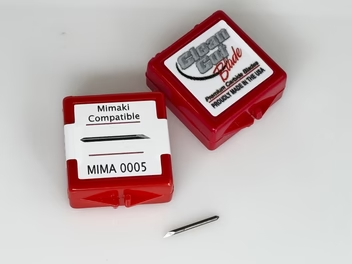
Why Precision Matters in Embroidery?
Embroidery designs often include intricate patterns, small lettering, and layered materials. Clean cutting supports these details by creating smooth edges before stitching begins. Poor cuts usually create loose fibers, uneven borders, and alignment issues.
Professional embroidery projects require consistency across multiple fabric types such as cotton, polyester, felt, denim, and heat transfer materials. Different materials respond differently to cutting pressure and blade angles. Precision blades help operators maintain uniform results across varying textures.
Many workshops now integrate automated cutting systems alongside embroidery machines. In such setups, Mimaki plotter blades assist with detailed contour cutting and fabric preparation for appliqué designs. Accurate blade performance reduces the chances of wasted material and production delays.
Careful cutting also improves stitch placement. Fabric with rough or uneven edges may shift during embroidery, affecting overall design symmetry. Smooth edges support better handling throughout production.
Clean Cuts Improve Design Quality
Design quality depends on more than embroidery thread and machine speed. Fabric preparation shapes how clean and professional the final product appears. Precision blades create sharp edges that support neat stitching and refined detailing.
Appliqué embroidery especially benefits from accurate cutting. Small curves, corners, and decorative patterns need clean outlines before stitching begins. Low quality blades may pull fibers or leave jagged edges that affect appearance.
Shops working with digital cutters frequently rely on Mimaki plotter blades for detailed cutting applications involving heat transfer vinyl and embroidered patches. Sharp blades support smooth curves and accurate dimensions without damaging delicate materials.
Neat cuts also reduce the need for rework. Correcting uneven fabric edges often increases production time and material waste. Reliable blades help maintain cleaner workflows and consistent results.
Precision Blades Support Material Efficiency
Fabric waste affects profitability in embroidery production. Poor cutting accuracy often leads to damaged material, incorrect dimensions, and repeated jobs. Precision blades support efficient material use by producing accurate cuts from the start.
Embroidery shops regularly work with specialty fabrics that may cost significantly more than standard textiles. Velvet, leather, twill, and performance fabrics require careful handling during cutting. Sharp blades reduce stress on these materials and help preserve fabric quality.
Automated cutting systems paired with Mimaki plotter blades often deliver accurate cuts across multiple production cycles. Reliable blade performance helps maintain consistent dimensions, especially during bulk orders.
Material efficiency also contributes to faster project completion. Fewer cutting errors mean less downtime for adjustments and corrections. Teams may focus more on production rather than troubleshooting avoidable cutting problems.
Blade Sharpness Influences Workflow Speed
Production speed matters in embroidery businesses handling custom orders, uniforms, promotional products, and branded merchandise. Delays during cutting often slow the entire workflow.
Dull blades may drag across fabric instead of slicing cleanly. This issue creates resistance, frayed edges, and inconsistent cutting lines. Operators usually spend additional time adjusting settings or recutting damaged sections.
Sharp cutting tools such as Mimaki plotter blades help maintain smooth workflow movement during high volume production. Consistent cutting reduces interruptions and supports faster turnaround times.
Reliable blade performance also helps reduce operator fatigue. Clean cuts require less pressure and fewer repeated adjustments. This improvement supports a more controlled and efficient production environment.
Different Blade Angles Serve Different Purposes
Embroidery production often involves a variety of materials and design styles. Blade angle selection plays a major role in achieving accurate cuts.
30-degree blades generally support thin materials and fine detail work. 45-degree blades handle standard vinyl and common fabrics effectively. 60-degree blades work well for thicker materials and complex cuts.
Professionals using digital cutting systems frequently pair material requirements with suitable Mimaki plotter blades to improve cutting precision. Proper blade selection supports cleaner edges and smoother detailing across different applications.
Using the wrong blade angle may lead to tearing, incomplete cuts, or excessive wear. Careful blade selection improves both quality and durability.
Durability Matters in Embroidery Production
Long production hours place constant pressure on cutting tools. Low quality blades often lose sharpness quickly, especially during repetitive cutting tasks.
Durable blades maintain cutting consistency for longer periods. Stable performance supports cleaner production and reduces frequent blade replacements. Shops handling daily embroidery work benefit from reliable cutting tools that maintain accuracy over time.
Many production environments prefer Mimaki plotter blades because precision cutting requires both sharpness and durability. A dependable blade supports repeated cutting without sacrificing detail quality.
Durability also affects machine performance. Worn blades may create unnecessary strain on cutting systems, increasing maintenance needs over time.
Precision Cutting Helps Reduce Fabric Damage
Fabric damage creates unnecessary waste and affects customer satisfaction. Delicate textiles require careful handling throughout embroidery production.
Low quality blades often snag fibers or create rough cuts along fabric edges. These imperfections become more noticeable after stitching and finishing. Precision blades support cleaner separation without pulling or stretching material.
Embroidery professionals working with detailed appliqué or layered vinyl applications often rely on Mimaki plotter blades for controlled and accurate cutting. Sharp blades help preserve fabric structure while maintaining design clarity.
Reduced fabric damage also supports better consistency during large production runs. Clean cuts help maintain uniformity across multiple pieces.
Proper Blade Maintenance Improves Performance
Even high-quality blades require proper maintenance for consistent performance. Dust, adhesive buildup, and fabric particles gradually affect cutting efficiency.
Regular cleaning helps maintain blade sharpness and cutting precision. Operators should inspect blades frequently for signs of wear, resistance, or uneven cutting patterns.
Many workshops using Mimaki plotter blades follow maintenance routines that include blade cleaning, proper storage, and pressure adjustments. These habits help extend blade life and support reliable performance.
Correct blade depth settings also improve cutting quality. Excessive blade exposure may damage both material and cutting strips. Controlled adjustments help maintain smoother operation.
Precision Blades Support Creative Flexibility
Modern embroidery extends beyond simple stitching. Designers often combine embroidery with vinyl graphics, layered fabrics, patches, and decorative appliqué elements.
Creative projects require cutting tools capable of handling intricate shapes and varied materials. Precision blades support detailed artwork by delivering clean and accurate cuts across complex patterns.
Digital cutting systems equipped with Mimaki plotter blades often help designers achieve detailed contours and precise edges for advanced embroidery applications. Accurate cutting expands creative possibilities while maintaining production quality.
Reliable cutting also supports experimentation with new materials and design concepts. Smooth workflow adjustments encourage creative flexibility without compromising efficiency.
Conclusion
Precision blades play a critical role in embroidery production. Clean cuts support better stitching, improved material efficiency, smoother workflows, and more professional final products. Fabric preparation directly affects design quality, making blade selection an important part of the embroidery process.
As embroidery technology continues to evolve, cutting accuracy remains essential for maintaining consistency and detail. Reliable tools such as Mimaki plotter blades help support accurate cutting across various materials and applications. Shops that prioritize precision cutting often experience improved workflow stability, reduced waste, and cleaner finished designs.
Careful blade selection, regular maintenance, and proper cutting techniques help embroidery professionals maintain high production standards while supporting long term efficiency.
