

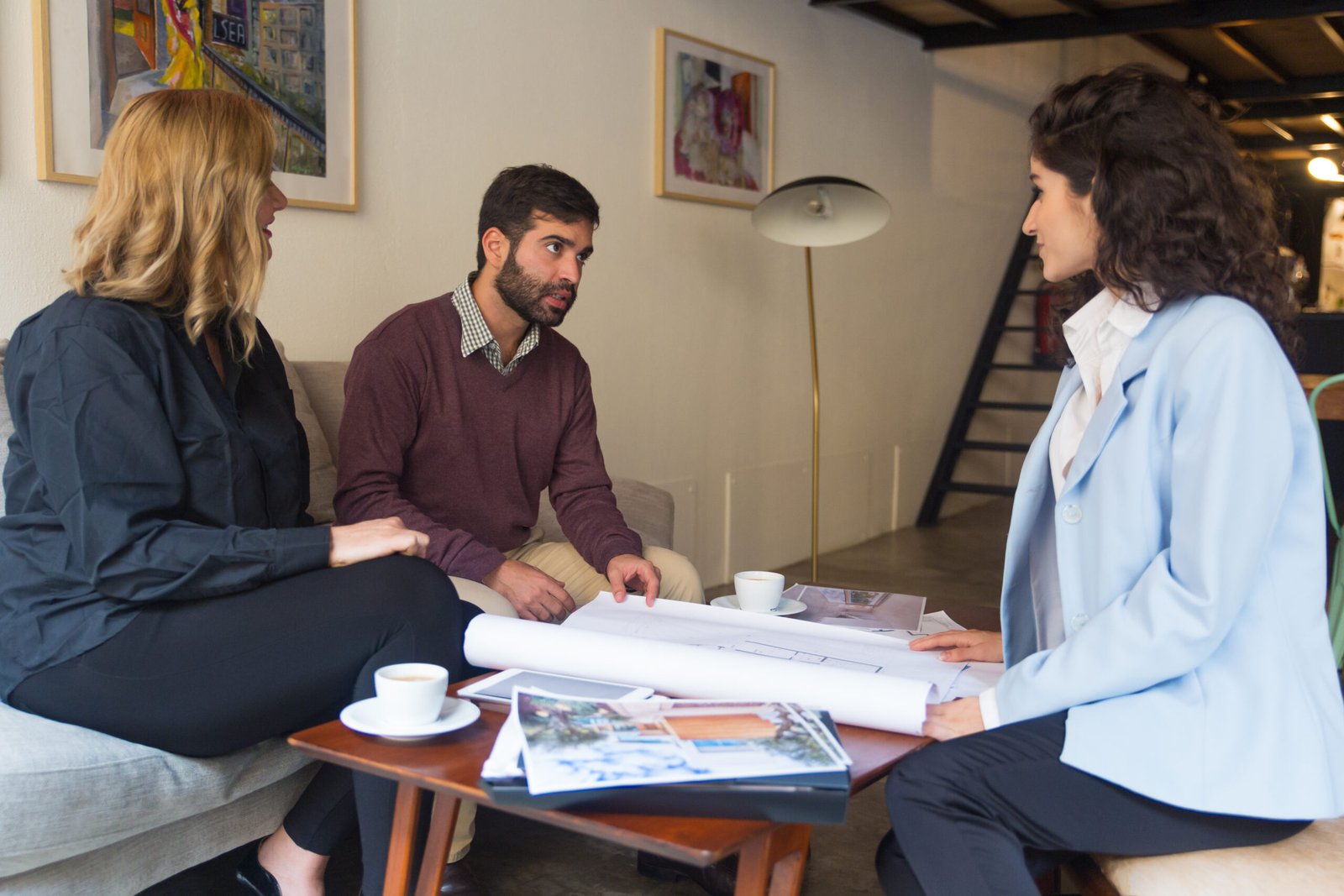
In today’s fast-paced business world, the workspace you choose can make all the difference in your company’s success. As businesses grow and change, the demand for customizable commercial spaces has become increasingly important. That’s where tenant improvement contractors come into play, bringing the expertise necessary to adapt rental spaces to fit specific needs.
Tenant improvement contractors are specialists who focus on redesigning commercial interiors to match the unique requirements of various businesses. Whether you’re looking to revamp an office, retail space, or a restaurant, these professionals ensure that the layout, design, and functionality support your company’s goals. By working with skilled contractors, businesses can create environments that not only reflect their brand identity but also boost productivity and employee satisfaction.
The Importance of Customized Commercial Spaces
In a competitive market, having a workspace that embodies your company’s values can be a real game-changer. Customized commercial spaces offer a host of benefits:
- Enhanced Branding: A thoughtfully designed office reinforces your brand identity, creating a cohesive experience for both clients and employees.
- Boosted Productivity: Tailored spaces can streamline workflows and enhance efficiency, enabling teams to collaborate more effectively.
- Employee Satisfaction: An environment that meets the needs of its occupants can lead to greater job satisfaction and lower turnover rates.
Customization isn’t just about making things look good; it’s about crafting a functional space that aligns with your long-term business objectives. This is where tenant improvement contractors are vital, transforming ordinary rental spaces into vibrant hubs of activity.
The Impact of Office Design on Business Success
Office design goes beyond aesthetics; it’s a strategic tool that can shape your business outcomes. Research shows that the work environment plays a significant role in employee wellbeing, creativity, and overall performance. For example, having plenty of natural light and ergonomic furniture can help reduce fatigue and improve focus.
Moreover, flexible spaces that accommodate different work styles—such as quiet zones for concentration and open areas for collaboration—can cater to the diverse needs of employees. According to a study by the American Society of Interior Designers, 68% of employees believe that workplace design affects their productivity.
Coordination in Commercial Renovations
One of the biggest challenges in commercial renovations is ensuring smooth coordination between all the different stakeholders involved. From architects to interior designers and electricians, everything needs to come together perfectly to achieve the desired result. Tenant improvement contractors act as the glue in this process, orchestrating efforts to minimize disruptions and keep everything on schedule.
Clear communication and a solid understanding of business objectives are essential. Contractors must collaborate closely with their clients to ensure every detail aligns with the company’s vision, from material choices to space layout.
Aligning Tenant Improvements with Long-Term Business Goals
When investing in tenant improvements, it’s important to think not just about immediate needs but also about your long-term business goals. A well-planned space should be flexible enough to accommodate future growth and changes in strategy. This means selecting designs and materials that are durable, sustainable, and adaptable to technological advancements.
Future-proofing your office can include integrating smart technologies and eco-friendly practices. For instance, energy-efficient lighting and HVAC systems can lower operational costs while supporting your environmental initiatives.
Trends in Commercial Space Design
The landscape of commercial space design is always changing, with a growing focus on sustainability and flexibility. Here are some trends worth noting:
- Biophilic Design: Incorporating natural elements like plants and water features to foster a calming atmosphere.
- Open Floor Plans: Removing barriers to encourage collaboration and communication among team members.
- Remote-Work Adaptability: Designing spaces that support hybrid work models, including hot-desking and virtual meeting areas.
- Sustainability: Using eco-friendly materials and energy-efficient technologies to create green workspaces.
Conclusion
In conclusion, tenant improvement contractors play an essential role for businesses looking to enhance their operational spaces. Through thoughtful customization and strategic planning, companies can create environments that not only support their goals but also drive success.
Whether you’re expanding your current office or moving to a new location, teaming up with experienced professionals can truly make a difference in crafting a workspace that’s both functional and inspiring.
