

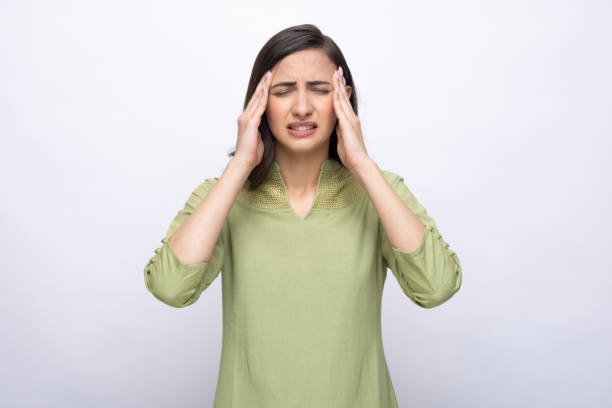
Understanding Stress and Emotional Wellbeing
Stress and emotional challenges are common experiences that can affect how people feel, think, and respond to everyday situations. Ongoing stress may influence relaxation, sleep quality, focus, and overall wellbeing. Many people look for natural approaches that support a balanced lifestyle and help them manage emotional tension in a gentle way.
Emotional wellbeing is connected to the relationship between the mind and body. When the body experiences prolonged tension, it may become harder to maintain a calm and relaxed state. Developing healthy routines, practicing relaxation techniques, and exploring supportive therapies can help individuals create better awareness of their physical and emotional needs.
Exploring Natural Ways to Support Relaxation
Natural approaches to wellbeing often focus on encouraging relaxation, improving body awareness, and supporting a sense of calm. These approaches may include breathing exercises, mindful practices, movement-based activities, and hands-on therapies that aim to promote balance.
A person’s response to stress can be different depending on lifestyle, personal experiences, and daily habits. Because of this, finding a suitable approach often involves understanding individual needs and choosing methods that feel comfortable and sustainable.
How Bowen Therapy May Support Emotional Balance
Bowen therapy is a gentle hands-on approach that focuses on specific movements applied to different areas of the body. Many people explore this therapy as part of their wellness routine because it encourages relaxation and helps individuals reconnect with their body.
Some individuals consider bowen therapy for anxiety as a supportive option for managing feelings of stress and emotional discomfort. This approach is generally focused on creating a calming experience and supporting the body’s natural ability to relax. It is often used alongside other healthy lifestyle choices rather than as a replacement for professional support when needed.
Understanding the Connection Between the Body and Mind
The body and mind are closely connected, and emotional stress can sometimes create physical sensations such as muscle tension, restlessness, or difficulty relaxing. Supporting physical relaxation may help create a more comfortable state for managing everyday emotional challenges.
Wellbeing practices that encourage relaxation can help people become more aware of how stress affects them. This awareness may support better self-care decisions, such as improving daily routines, taking time for relaxation, and maintaining healthy habits.
Finding Supportive Wellness Options
When exploring wellness therapies, many people prefer approaches that are gentle and focused on overall balance. Individuals searching for bowen therapy for anxiety kl may be interested in learning how this type of therapy fits into a broader approach to emotional wellbeing.
A supportive wellness routine can include different elements such as proper rest, regular movement, positive social connections, and activities that encourage relaxation. Each person may respond differently, so understanding personal preferences and comfort levels is an important part of choosing a suitable approach.
Creating Healthy Habits for Emotional Wellbeing
Managing stress involves more than focusing on a single technique. Long-term emotional wellbeing often comes from combining different healthy practices that support both physical and mental balance.
Simple habits such as taking regular breaks, practicing mindfulness, staying active, and maintaining a calming environment can contribute to a healthier routine. Some people also explore therapies like bowen therapy for anxiety kl as part of their personal wellness journey.
Consistency is important when building habits that support relaxation. Small lifestyle changes can gradually help individuals develop better awareness of their stress patterns and improve their ability to respond to daily challenges.
The Role of Professional Guidance
While natural wellness approaches can be part of a balanced lifestyle, it is also important to understand personal needs and seek professional advice when emotional challenges feel difficult to manage. Qualified healthcare or mental health professionals can provide appropriate guidance based on individual circumstances.
Complementary approaches may work differently for each person, and they are often most beneficial when combined with healthy lifestyle choices and informed decision-making.
Conclusion
Supporting emotional wellbeing involves understanding the connection between thoughts, feelings, and physical health. Exploring gentle wellness practices, maintaining healthy routines, and creating time for relaxation can help individuals build a more balanced approach to managing stress.
Every person’s experience is different, so finding suitable methods that support comfort and wellbeing is an important part of creating a healthier lifestyle.
