

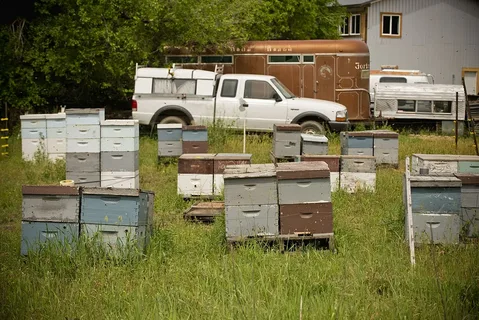
The Evolution of Modern Beekeeping
Beekeeping has evolved significantly over the years as technology and improved hive management techniques continue to support healthier bee colonies and greater honey production. Today, many beekeepers seek innovative solutions that simplify colony monitoring while improving productivity and sustainability. Interest in “vf hive in texas USA” has increased among hobbyists and commercial beekeepers looking for practical approaches to managing apiaries. Modern hive systems combine durable construction with thoughtful design features that help maintain healthy environments for honey bees while making inspections and maintenance more efficient for beekeepers of all experience levels.
Why Hive Management Matters
Successful beekeeping depends on maintaining strong and healthy colonies throughout changing seasons. Proper hive management supports brood development, honey production, disease prevention, and overall colony stability. A well-designed “vf hive in texas USA” provides an organized structure that allows bees to build comb efficiently while giving beekeepers convenient access for routine inspections. Regular monitoring helps identify potential concerns early, allowing timely action that supports long-term colony health and productivity.
Features of Modern Hive Systems
Modern hive designs focus on durability, functionality, and ease of maintenance. Quality materials help protect colonies from changing weather conditions while providing adequate ventilation and insulation. Many beekeepers appreciate the practical design of “vf hive in texas USA” because it allows easier access to hive components during inspections and seasonal maintenance. Efficient hive construction also supports proper airflow, helps regulate internal conditions, and creates a comfortable environment that encourages healthy colony development throughout the year.
Supporting Healthy Bee Colonies
Healthy honey bee colonies play a vital role in pollination, agriculture, and environmental sustainability. Strong colonies contribute to improved crop production and help maintain ecological balance across natural habitats. Beekeepers often rely on trusted resources such as “beehive reference in texas USA” to learn about colony behavior, seasonal management, and best practices for maintaining productive apiaries. Combining educational resources with consistent hive management helps support healthier bee populations while improving long-term beekeeping success.
Seasonal Hive Care
Each season presents unique challenges that require careful planning and management. During spring, colonies expand rapidly and require additional space for brood and honey storage. Summer often brings increased honey production, while autumn preparation focuses on strengthening colonies before winter. Throughout the year, a properly maintained “vf hive in texas USA” supports these seasonal transitions by providing stable housing and convenient inspection access. Regular observation helps beekeepers respond appropriately to environmental changes while maintaining strong colony performance.
The Importance of Reliable Information
Successful beekeeping involves continuous learning as environmental conditions, bee health, and management techniques continue to evolve. Educational materials, experienced mentors, and trusted publications provide valuable guidance for both beginners and experienced beekeepers. Resources including “beehive reference in texas USA” help explain hive inspections, disease prevention, queen management, swarm control, and honey harvesting techniques. Access to accurate information enables beekeepers to make informed decisions that benefit both their colonies and surrounding ecosystems.
Sustainable Beekeeping Practices
Environmental responsibility has become an important aspect of modern beekeeping. Sustainable management practices encourage healthy bee populations while minimizing unnecessary stress on colonies. Proper nutrition, responsible pest management, clean equipment, and careful hive placement all contribute to successful apiary operations. Many individuals interested in “vf hive in texas USA” also prioritize environmentally friendly approaches that protect pollinators and promote biodiversity. Sustainable practices help ensure healthy colonies remain productive for many seasons while supporting broader agricultural ecosystems.
Choosing the Right Hive System
Selecting an appropriate hive depends on experience level, management preferences, local climate, and long-term beekeeping goals. Beginners often benefit from user-friendly designs that simplify inspections, while experienced beekeepers may prefer systems optimized for larger apiaries. A dependable “vf hive in texas USA” should offer durable construction, practical accessibility, and compatibility with routine management practices. Investing in quality equipment helps improve efficiency while supporting consistent colony care throughout the beekeeping season.
Long-Term Benefits of Effective Hive Management
Successful beekeeping requires patience, observation, and ongoing education. Regular inspections, proper nutrition, seasonal preparation, and responsible colony management contribute to healthier bees and more consistent honey production. Educational resources such as “beehive reference in texas USA” continue to assist beekeepers in refining their knowledge and improving management techniques over time. Combining reliable information with quality equipment creates a strong foundation for sustainable apiary success and long-term environmental stewardship.
