

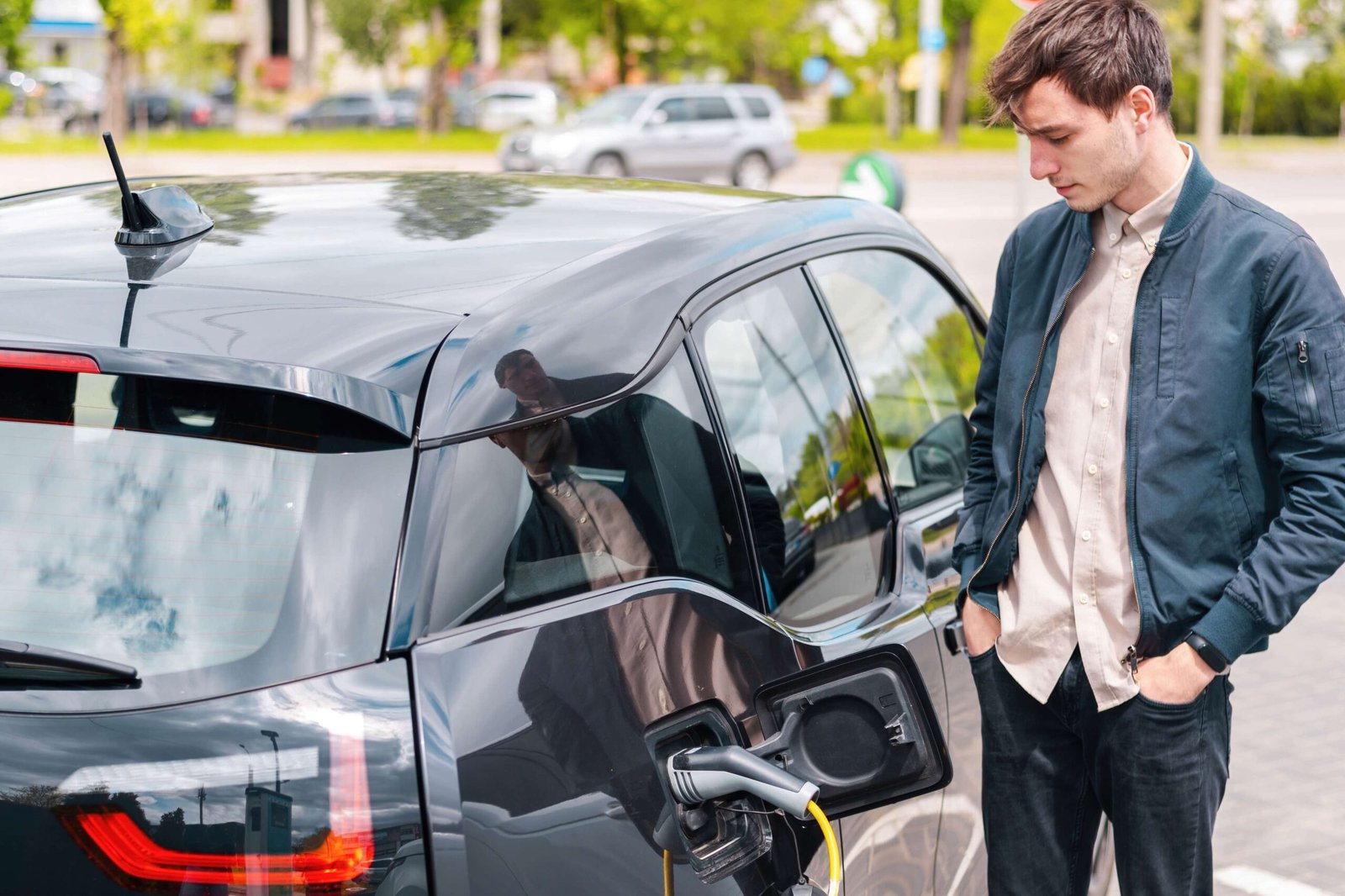
Buying a second hand car in Ireland involves more than just picking a model you like and handing over cash. Between checking the National Car Test history, confirming ownership, and making sure the price reflects the car’s real condition, there are several steps that protect you from an expensive mistake. Whether this is your first purchase or your fifth, a clear process makes the whole experience far less stressful.
Setting A Realistic Budget
Before looking at a single listing, it helps to decide on a total budget that includes not just the purchase price but insurance, tax, and likely servicing costs for the first year. Many buyers focus only on the sticker price and are then surprised by insurance quotes for a certain engine size, or by an NCT that reveals work needing to be done. Knowing your limit in advance also stops emotional decisions when a car looks appealing but sits outside what you can comfortably afford.
Checking History And Paperwork
Every used vehicle should come with a complete logbook, service history and a valid NCT certificate where applicable. Ask to see proof of previous ownership and check that the registration details match the paperwork exactly. A vehicle history check is a worthwhile expense, since it can reveal outstanding finance, previous accidents or mileage discrepancies that are not obvious from a simple visual inspection. When buying a second hand car in Ireland, this single step often prevents the biggest regrets.
Inspecting The Vehicle Properly
A visual walk around is not enough on its own. Look underneath for rust, particularly around the sills and wheel arches, and check that all electrical features work as expected, from windows to climate control. Take the car for a proper test drive covering both slower residential roads and a stretch of faster driving, listening for unusual noises and checking that the brakes feel firm and even. If anything feels uncertain, an independent mechanic can carry out a more detailed inspection for a modest fee.
Negotiating With Confidence
Once you are satisfied with the car’s condition, it is reasonable to negotiate on price, especially if you have found comparable vehicles listed for less elsewhere. Sellers generally expect some room for discussion, and pointing to specific issues found during inspection, such as worn tyres or an upcoming service, gives you a fair basis for a lower offer. Politeness goes a long way here, and a calm, informed buyer usually gets a better outcome than one who simply demands a discount.
Where To Start Your Search
Auto Connect lists a wide range of vehicles from private sellers and dealers across the country, making it easier to compare similar cars side by side before arranging viewings. Taking the time to shortlist a few options rather than rushing to the first available car tends to produce a far better result.
Final Thoughts
Buying a second hand car in Ireland does not need to be stressful when you approach it with a clear budget, thorough checks and a willingness to walk away if something does not add up. A methodical approach protects both your finances and your peace of mind long after the sale is complete.
