

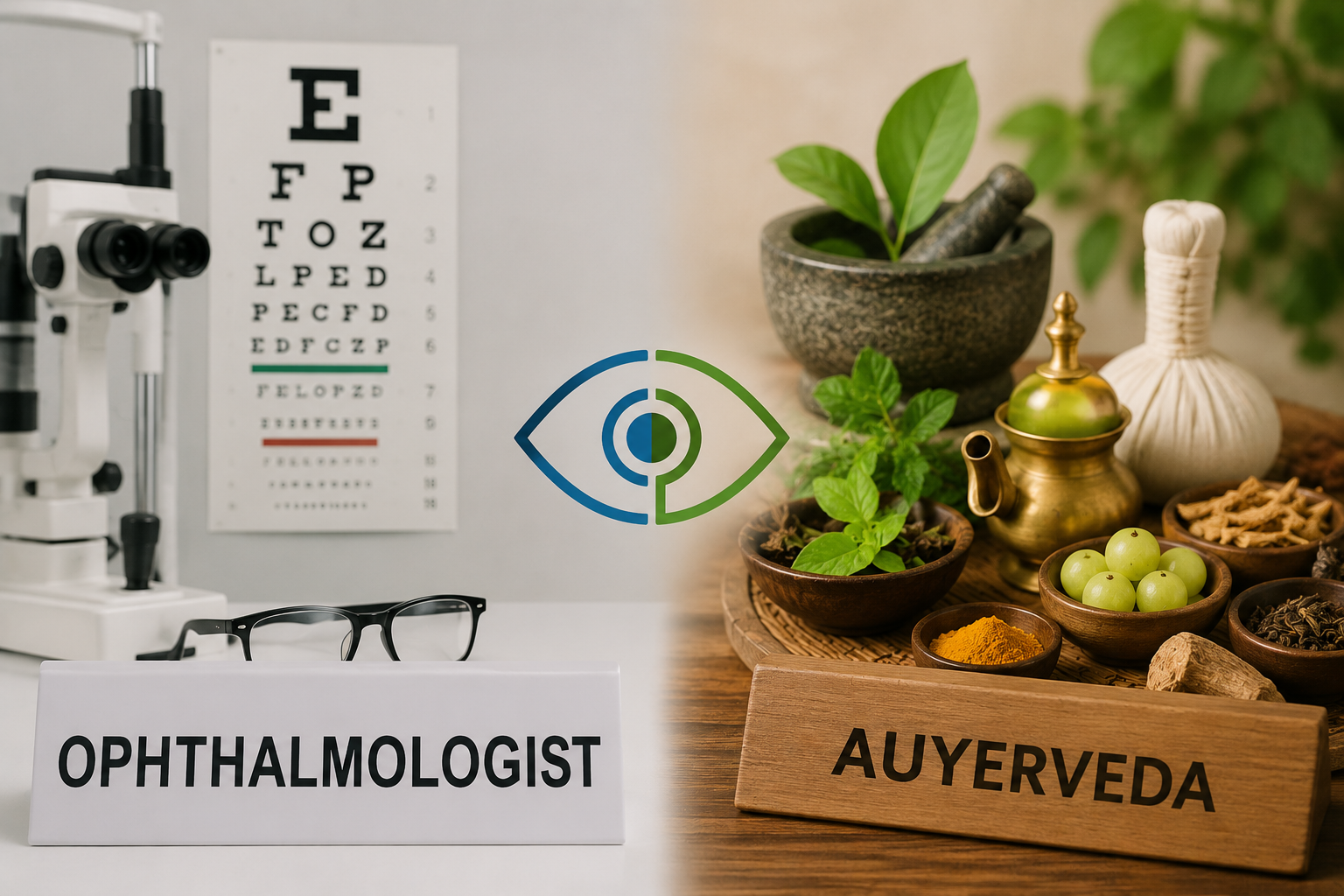
Deciding about eye care often feels overwhelming, especially when surgery enters the conversation. Many people delay action, hoping symptoms settle on their own. Still, certain signs signal a need for professional evaluation by an ophthalmologist and auyerveda perspectives may also offer complementary insights into overall eye health.
Vision issues rarely appear overnight without cause. Gradual changes, discomfort, or recurring strain often indicate deeper concerns. Recognizing these early allows better outcomes and reduces the risk of complications.
Early Signs You Should Not Ignore
Subtle changes in vision often get overlooked. Frequent headaches, eye strain, or difficulty focusing may seem minor, yet they deserve attention. A common warning sign includes suddenly blurred vision, which often signals an underlying issue that requires immediate assessment.
Ignoring such symptoms may lead to progression of conditions that become harder to manage over time. Early consultation supports timely intervention and preserves visual clarity.
When Glasses or Medication No Longer Help
Corrective lenses and medication offer relief in many cases. Still, they do not address every condition. When vision continues to decline despite these measures, a consultation with an ophthalmologist and auyerveda informed approach may guide next steps.
Persistent discomfort or limited improvement suggests that structural changes within the eye may require surgical attention. At this stage, relying solely on temporary solutions may not support long-term vision health.
Conditions That Often Lead to Eye Surgery
Certain eye conditions naturally progress to a stage where surgery becomes the most effective solution. Cataracts, refractive errors, and retinal disorders often fall into this category. These conditions may initially present as suddenly blurred vision, glare sensitivity, or reduced night vision.
Early diagnosis allows for planned treatment rather than urgent intervention. Patients benefit from understanding their condition and preparing for appropriate care.
The Role of Comprehensive Eye Evaluation
A detailed examination plays a critical role in decision-making. Advanced imaging and diagnostic tools help clinicians assess the internal structure of the eye. During evaluation, an ophthalmologist and auyerveda informed understanding of lifestyle factors may also contribute to a broader health picture.
This comprehensive approach ensures that recommendations align with both immediate needs and long-term well-being. It also helps identify conditions that may not yet show noticeable symptoms.
Sudden Vision Changes Require Immediate Attention
Not all symptoms develop gradually. Some changes occur abruptly and demand urgent care. Experiencing suddenly blurred vision without warning may indicate issues such as retinal detachment, vascular problems, or neurological concerns.
Prompt evaluation improves the chances of preserving vision. Delayed response increases the risk of permanent damage, making early action essential.
Lifestyle Factors and Eye Health
Daily habits influence eye health more than most people realize. Screen exposure, nutrition, and stress levels contribute to overall visual function. While consulting an ophthalmologist and auyerveda principles may highlight natural ways to support eye health, clinical evaluation remains essential for accurate diagnosis.
Balancing lifestyle adjustments with medical guidance creates a more sustainable approach to maintaining vision.
Advancements in Eye Surgery Techniques
Modern surgical methods offer improved precision and faster recovery. Minimally invasive procedures reduce discomfort and enhance outcomes. For individuals experiencing suddenly blurred vision due to structural issues, these advancements provide effective solutions.
Technology continues to refine surgical accuracy, allowing tailored treatment plans that suit individual needs.
Emotional Readiness and Patient Confidence
Deciding on surgery involves more than clinical factors. Emotional readiness plays a significant role. Patients often feel uncertain or anxious about the process. Consulting an ophthalmologist and auyerveda perspective may provide reassurance through both medical clarity and holistic understanding.
Clear communication and realistic expectations help build confidence in the decision-making process.
Age and Its Influence on Vision Changes
Age-related changes affect nearly everyone. Over time, the eye undergoes structural shifts that impact clarity and focus. These changes sometimes manifest as suddenly blurred vision, particularly in low-light conditions.
Understanding these patterns helps patients recognize when intervention may become necessary rather than optional.
Preventive Care Versus Corrective Intervention
Preventive care focuses on maintaining eye health before issues arise. Corrective intervention addresses existing problems. Consulting an ophthalmologist and auyerveda approach allows individuals to balance both strategies effectively.
Regular check-ups and early assessments reduce the likelihood of advanced complications. Preventive care often delays or minimizes the need for surgical procedures.
Risks of Delaying Necessary Treatment
Postponing surgery when it becomes necessary often leads to complications. Vision may deteriorate further, affecting daily activities and quality of life. Symptoms like suddenly blurred vision may intensify or become more frequent.
Timely intervention supports better outcomes and reduces the complexity of treatment.
Personalized Treatment Planning
Every patient presents unique needs. Personalized care considers medical history, lifestyle, and specific vision concerns. An ophthalmologist and auyerveda informed perspective may incorporate both clinical data and holistic factors into treatment planning.
This tailored approach enhances effectiveness and ensures that care aligns with individual expectations.
Recovery and Long-Term Vision Care
Recovery does not end with surgery. Post-operative care plays a crucial role in maintaining results. Patients may notice temporary changes, including mild discomfort or suddenly blurred vision, during the healing phase.
Following medical guidance and attending follow-up appointments ensures smooth recovery and optimal outcomes.
The Importance of Timely Decisions
Deciding when to proceed with surgery requires careful evaluation. Waiting too long may complicate treatment, while early intervention often leads to better results. Consulting an ophthalmologist and auyerveda approach helps patients make informed choices based on both medical evidence and overall well-being.
Balanced decision-making supports long-term vision health and reduces unnecessary risks.
Recognizing Subtle Vision Patterns Over Time
Vision changes do not always appear dramatically. In many cases, the shift remains gradual, almost unnoticeable at first. You may feel that your eyes get tired faster or that focusing takes slightly longer than usual. Over time, these patterns build up and begin to interfere with daily tasks. In some situations, these mild disruptions may suddenly escalate into suddenly blurred vision, which signals that the underlying issue has progressed further than expected.
Tracking these subtle changes helps you stay aware of your eye health. A consistent pattern often reveals more than a single symptom. Paying attention to these signals allows timely consultation and reduces the chances of unexpected complications. It also helps clinicians understand the progression of a condition, leading to more accurate recommendations.
Balancing Modern Medicine with Traditional Insights
Eye care does not exist in isolation from broader health systems. Many patients explore complementary approaches alongside clinical treatment. An ophthalmologist and auyerveda perspective often highlights how lifestyle, diet, and stress levels influence eye health. This combined understanding may provide a more comprehensive view of vision care.
While surgical advancements address structural concerns, traditional practices often focus on long-term balance. Integrating both approaches may support better outcomes when done under proper guidance. It is important to rely on evidence-based recommendations while staying open to supportive practices that align with overall health goals.
Building Long-Term Confidence in Eye Care Decisions
Confidence in medical decisions grows from clarity and understanding. When you recognize symptoms early and explore available options, the process feels less overwhelming. Episodes of suddenly blurred vision may create anxiety, yet they also act as clear signals to seek professional advice. Acting on these signs strengthens your control over your health journey.
Over time, informed decisions create a sense of stability. Whether the path involves monitoring, lifestyle adjustments, or surgical intervention, each step contributes to better vision management. A thoughtful approach, supported by expert guidance, helps you move forward with reassurance and clarity.
Conclusion: Taking Charge of Your Vision Health
Vision health deserves attention and proactive care. Recognizing warning signs, seeking timely advice, and understanding available options empower patients to make confident decisions. Symptoms such as suddenly blurred vision should never be ignored, as they often signal deeper concerns.
Working closely with professionals, including insights from an ophthalmologist and auyerveda, allows individuals to approach eye care with clarity and confidence. Thoughtful decisions today support a healthier and more stable visual future.
