

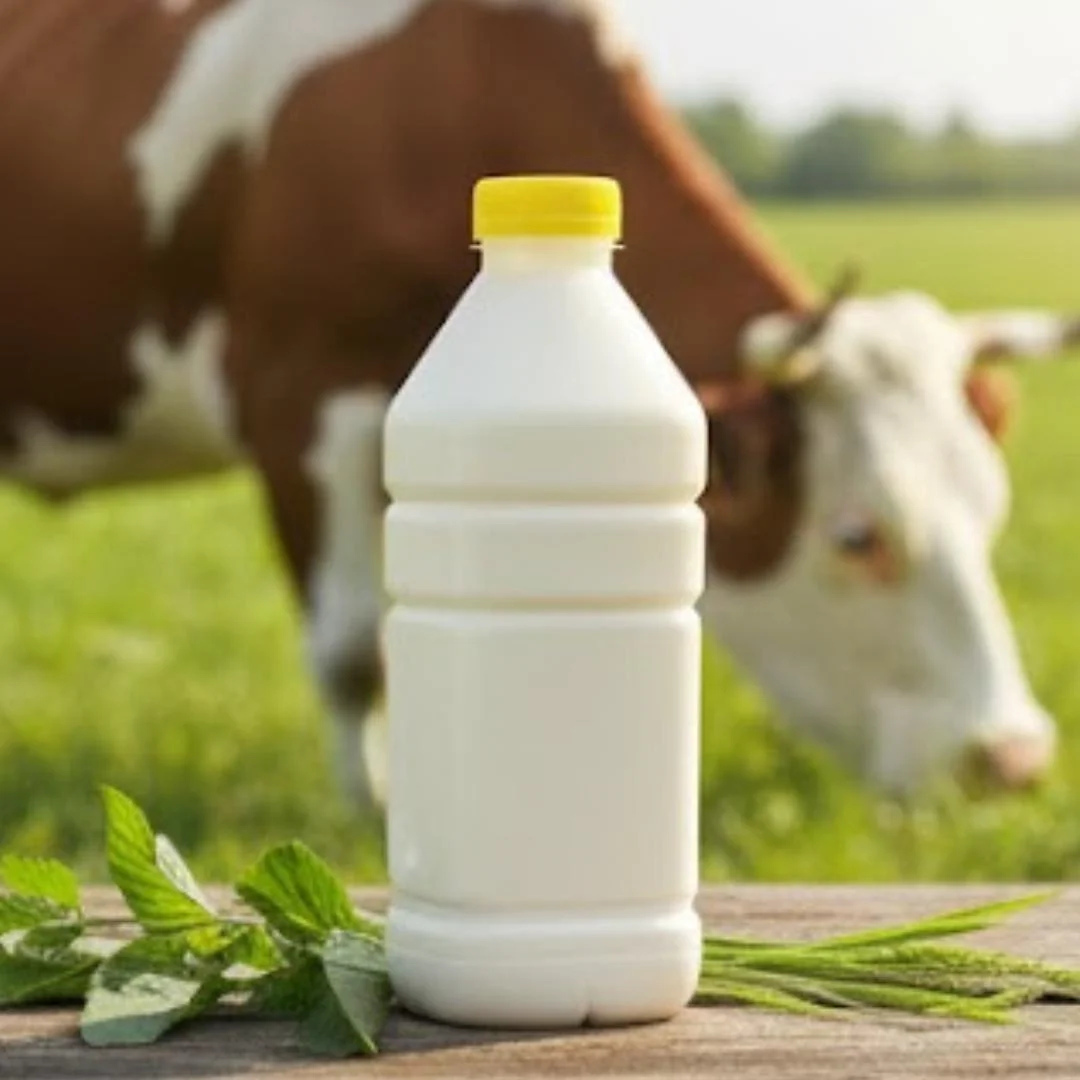
Milk is one of the most widely consumed foods around the world, but many people notice that its taste can vary significantly from one country to another. If you have traveled internationally or recently moved to the UAE, you may have observed that milk available here has a unique flavor compared to milk sold in Europe, Asia, Australia, or North America.
This difference is not necessarily a sign of lower or higher quality. Instead, it is influenced by a combination of factors including animal feed, farming methods, climate conditions, processing techniques, storage practices, and consumer preferences.
Understanding why milk tastes different can help consumers make informed choices and appreciate the journey dairy products take from farm to table.
How the UAE’s Climate and Farming Conditions Influence Milk Taste
The UAE has a unique environment that directly affects dairy farming practices. Unlike countries with cooler temperatures and abundant natural grazing land, dairy farms in the UAE operate in a hot desert climate.
Many dairy farms use advanced cooling systems, climate-controlled barns, and specialized feeding programs to ensure animal comfort and productivity throughout the year. These farming methods can influence the composition of milk and contribute to subtle flavor differences.
Consumers who regularly purchase fresh milk uae products may notice that the taste is often cleaner, milder, and more consistent because modern dairy farms maintain strict quality standards and controlled feeding practices.
The type of feed given to dairy animals plays a major role in flavor development. In countries where cows graze on natural grass pastures, milk may develop earthy or herbal notes. In contrast, animals raised on carefully balanced feed programs often produce milk with a smoother and more uniform taste.
The Role of Animal Feed in Milk Flavor
One of the biggest factors affecting milk taste is what the animals eat.
Around the world, dairy animals consume a variety of diets, including:
- Fresh grass
- Hay
- Corn silage
- Alfalfa
- Grain mixtures
- Nutritional supplements
Each type of feed contributes different compounds that can subtly affect milk flavor.
For example, grass-fed dairy animals often produce milk with a richer and more complex taste profile. Grain-fed animals may produce milk that tastes sweeter and milder. Since feed ingredients vary by region, milk flavor naturally varies as well.
The UAE imports many feed ingredients to support its dairy industry. These carefully formulated diets are designed to maintain consistent milk quality throughout the year despite environmental challenges.
As a result, consumers often experience a reliable and predictable taste in locally produced dairy products.
Why Processing Methods Can Affect Fresh Dairy Products
The journey from farm to consumer is another important factor that influences the taste of fresh milk.
Different countries use different processing standards and technologies. Common methods include:
- Pasteurization
- Ultra-pasteurization
- Homogenization
- Filtration
- Cold-chain preservation
Pasteurization is used to eliminate harmful bacteria and improve food safety. However, variations in temperature and processing duration can create slight differences in flavor.
Ultra-pasteurized milk typically has a longer shelf life but may develop a slightly cooked taste due to higher heating temperatures. Regular pasteurized milk often retains a fresher flavor because it undergoes less intense heat treatment.
Homogenization also affects texture and mouthfeel by evenly distributing fat throughout the milk. While it does not dramatically change flavor, it can influence how consumers perceive creaminess and richness.
How Breed Differences Influence Dairy Quality
Not all dairy animals produce identical milk.
Different breeds of cows, goats, and camels generate milk with varying levels of:
- Fat
- Protein
- Lactose
- Minerals
- Vitamins
These natural differences contribute to unique flavors and textures.
For example, some cow breeds are known for producing creamier milk, while others generate milk with a lighter taste. Goat milk often has a distinct flavor profile due to differences in fat composition. Camel milk is naturally different from cow milk and may have a slightly salty or earthy taste.
The breeds commonly used by dairy farms in the UAE may differ from those used in other countries, contributing to the unique characteristics consumers notice.
Storage and Transportation Matter More Than You Think
Milk is highly sensitive to temperature changes.
Maintaining a reliable cold chain from farm to store is essential for preserving freshness and flavor. Even small variations in transportation or storage conditions can impact taste.
The UAE has invested heavily in modern cold-chain infrastructure to ensure dairy products remain fresh despite high outdoor temperatures.
Key factors that help preserve quality include:
- Refrigerated transportation
- Temperature-controlled warehouses
- Modern retail refrigeration systems
- Fast distribution networks
Because dairy products move efficiently through the supply chain, consumers often receive products that maintain their intended flavor and nutritional quality.
Cultural Preferences Also Shape Milk Production
Consumer preferences vary around the world.
In some countries, people prefer richer and creamier dairy products. In others, consumers favor lighter and milder flavors.
Dairy producers often adjust processing methods and product formulations to align with local tastes. This means that milk sold in one region may be intentionally designed to meet the expectations of local consumers.
The UAE’s diverse population includes residents from many different cultural backgrounds. To satisfy a broad range of preferences, dairy producers often focus on producing balanced products that appeal to a wide audience.
This approach contributes to the consistent and approachable flavor profile found in many UAE dairy products.
Helpful Tips for Choosing the Best Milk in the UAE
If you want the best possible dairy experience, consider the following tips:
Check the Production Date
Choose products with the most recent production dates whenever possible.
Store Milk Properly
Keep milk refrigerated at all times and avoid leaving it at room temperature for extended periods.
Compare Different Types
Try cow milk, goat milk, camel milk, and A2 milk to discover which flavor profile you enjoy most.
Read Product Labels
Labels often provide useful information about processing methods and nutritional content.
Buy from Trusted Suppliers
Reliable dairy providers maintain high standards for quality, safety, and freshness.
Keep Containers Sealed
Exposure to air can affect flavor and reduce freshness over time.
Common Factors That Make Milk Taste Different Across Countries
Several factors work together to create flavor differences:
- Climate conditions
- Animal diet
- Breed selection
- Processing techniques
- Storage practices
- Transportation systems
- Consumer preferences
- Regulatory standards
No single factor is responsible. Instead, milk flavor reflects the entire production process from farm to consumer.
Frequently Asked Questions
Why does milk in the UAE taste different from milk in Europe?
Differences in climate, animal feed, dairy breeds, and processing methods all contribute to flavor variations.
Does different-tasting milk mean lower quality?
No. Taste differences usually reflect regional production practices rather than quality levels.
Is UAE-produced milk safe to consume?
Yes. Dairy products in the UAE are subject to strict food safety regulations and quality controls.
Does animal feed really affect milk flavor?
Yes. Feed is one of the most important factors influencing the taste and composition of milk.
Why do some milk products taste creamier than others?
Creaminess is often related to fat content, breed characteristics, and processing methods.
Can storage affect milk flavor?
Absolutely. Improper refrigeration can significantly impact taste and freshness.
Is locally produced milk fresher than imported milk?
Locally produced milk often reaches consumers faster, which may help preserve freshness and flavor.
Final Words
The taste of milk is influenced by far more than most people realize. Climate, animal nutrition, dairy breeds, processing technologies, transportation systems, and consumer preferences all play important roles in shaping the final product.
The UAE’s advanced dairy industry has developed innovative solutions to produce high-quality milk despite challenging environmental conditions. As a result, consumers enjoy dairy products that are safe, nutritious, and consistently fresh.
Rather than viewing flavor differences as unusual, it is helpful to see them as a reflection of regional farming traditions and production methods. Exploring different types of dairy products can help you discover new flavors while gaining a deeper appreciation for the journey that milk takes from farm to table.
