

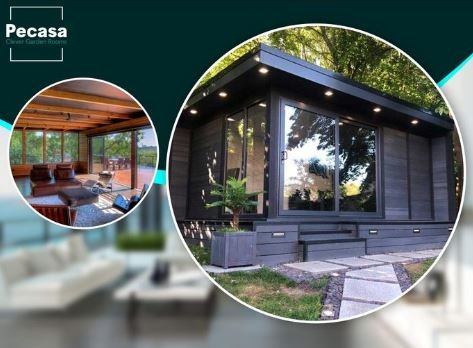
The way people think about their homes has changed significantly in recent years. Homeowners are no longer looking solely for larger properties; they want versatile spaces that support work, relaxation, family life, and wellness. This shift has contributed to the growing popularity of garden homes, which provide functional and attractive living solutions while maximizing outdoor space.
From stylish retreats to practical home offices, modern garden homes offer endless possibilities. Whether it’s a charming wood garden house or one of the latest insulated garden rooms, these structures are transforming residential landscapes and influencing how people design and use their properties. As homeowners seek greater flexibility and a stronger connection to nature, garden homes continue to shape residential trends across urban, suburban, and rural areas.
The Growing Appeal of Garden Homes
One of the primary reasons garden homes remain popular is their ability to expand usable living space without requiring major renovations. Instead of investing in costly home extensions, homeowners can add a separate structure within their garden that serves multiple purposes.
These standalone spaces can function as:
- Home offices
- Guest accommodations
- Creative studios
- Fitness rooms
- Entertainment areas
- Reading retreats
- Children’s playrooms
The versatility of garden homes allows property owners to adapt their spaces as their needs change over time. A home office today can become a guest room tomorrow, making these structures a practical long-term investment.
A Strong Connection With Nature
Modern lifestyles often involve spending extended periods indoors, particularly for those working remotely. Garden homes offer an opportunity to reconnect with outdoor surroundings while still enjoying modern comforts.
Positioned within landscaped gardens, these structures create a seamless transition between indoor and outdoor living. Large windows, natural materials, and thoughtful design elements help residents enjoy sunlight, greenery, and fresh air throughout the day.
A wood garden house is especially appealing because timber construction naturally complements outdoor environments. The warm, organic appearance of wood creates a welcoming atmosphere that blends beautifully with gardens, patios, and natural landscapes.
The Rise of Remote and Hybrid Work
The growth of remote and hybrid work arrangements has significantly influenced residential design trends. Many homeowners require dedicated workspaces that offer privacy and separation from household distractions.
Traditional home offices often compete with family activities and daily routines. Garden homes solve this challenge by providing a dedicated workspace located just steps away from the main residence.
Many professionals now choose insulated garden rooms because they provide year-round comfort regardless of weather conditions. Proper insulation helps maintain stable temperatures, reduces energy consumption, and creates an environment suitable for productive work throughout every season.
As flexible working becomes increasingly common, demand for functional garden office solutions continues to grow.
Enhanced Property Value and Appeal
Home improvements that add practical living space often contribute positively to property value. Garden homes are increasingly viewed as desirable features by prospective buyers who appreciate flexible accommodation options.
A well-designed wood garden house can improve the overall appearance of a property while providing additional usable space. Buyers often recognize the value of a structure that can serve multiple purposes without requiring significant modifications.
In competitive housing markets, properties featuring modern garden homes may stand out due to their versatility and lifestyle benefits. This added functionality can make homes more attractive to a wider range of buyers.
Sustainability and Eco-Friendly Living
Environmental awareness continues to influence residential construction and design decisions. Many homeowners are seeking sustainable solutions that reduce environmental impact while enhancing daily living.
Garden homes align well with these goals for several reasons:
Efficient Use of Space
Rather than expanding a home’s footprint through large-scale construction projects, garden homes make use of existing outdoor areas.
Sustainable Materials
A wood garden house often utilizes renewable timber materials, making it an environmentally conscious choice when sourced responsibly.
Energy Efficiency
Modern insulated garden rooms are designed with energy efficiency in mind. High-quality insulation helps reduce heating and cooling requirements, lowering overall energy consumption.
Reduced Construction Impact
Compared to major home extensions, garden homes typically involve less disruption and require fewer building materials.
These sustainability benefits continue to drive interest among environmentally conscious homeowners.
Flexible Design Options
Another reason garden homes continue to influence residential trends is the wide variety of design possibilities available.
Homeowners can choose from:
- Contemporary minimalist designs
- Traditional timber structures
- Scandinavian-inspired layouts
- Luxury garden retreats
- Multi-functional family spaces
A wood garden house can be customized with different finishes, window styles, roofing systems, and interior layouts. This flexibility allows homeowners to create a structure that complements both their personal preferences and existing property design.
Similarly, insulated garden rooms can be tailored to specific needs, whether for work, leisure, or accommodation.
Supporting Health and Well-Being
Modern homeowners increasingly prioritize wellness within their living environments. Garden homes support physical and mental well-being by creating dedicated spaces for relaxation, exercise, and personal activities.
These structures can be transformed into:
- Yoga studios
- Meditation rooms
- Art workshops
- Reading spaces
- Home gyms
Being surrounded by greenery and natural light can help reduce stress while promoting a sense of calm and focus. The separation from the main household environment also allows individuals to enjoy quiet, uninterrupted time.
This emphasis on wellness continues to make garden homes highly attractive in today’s residential market.
Year-Round Functionality With Insulated Garden Rooms
One concern homeowners sometimes have about outdoor structures is seasonal usability. However, advances in construction technology have addressed this challenge through modern insulated garden rooms.
High-performance insulation provides several advantages:
- Comfortable temperatures throughout the year
- Improved energy efficiency
- Reduced noise levels
- Greater durability
- Lower maintenance requirements
These features ensure that insulated garden rooms remain functional regardless of climate conditions. Whether used as offices, guest rooms, or recreational spaces, they offer reliable comfort throughout every season.
This year-round practicality has contributed significantly to their growing popularity.
The Future of Residential Living
As residential trends continue to evolve, flexibility remains a key priority for homeowners. Garden homes provide adaptable spaces that can evolve alongside changing lifestyles, family needs, and work arrangements.
The combination of sustainability, functionality, aesthetic appeal, and connection to nature positions garden homes as an important part of modern residential design. Whether homeowners choose a classic wood garden house or invest in advanced insulated garden rooms, these structures offer practical solutions that support contemporary living.
With increasing demand for multi-purpose spaces and outdoor-focused lifestyles, garden homes are expected to remain a prominent feature of residential development for years to come.
Conclusion
The continued popularity of garden homes reflects broader changes in how people use and value their living spaces. Homeowners are seeking flexibility, comfort, sustainability, and stronger connections to the outdoors. Garden homes successfully deliver all of these benefits while enhancing both lifestyle and property appeal.
From the timeless charm of a wood garden house to the year-round practicality of insulated garden rooms, these versatile structures continue to shape residential trends and redefine modern home living. As lifestyle needs evolve, garden homes remain a smart and attractive solution for creating functional, beautiful, and adaptable spaces.
