

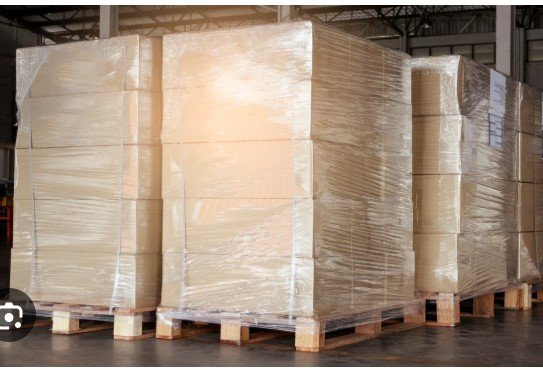
Optimizing your supply chain requires looking closely at the tools you use every single day. For decades, wooden shipping platforms were the default choice for warehouses and logistics companies. They were cheap, widely available, and got the job done. But as supply chains become more complex and regulations tighten around hygiene and sustainability, operations managers are looking for better alternatives.
Transitioning your warehouse equipment can seem daunting. You need materials that reduce long-term costs, improve worker safety, and withstand the heavy wear and tear of global shipping. That is precisely where modern plastic alternatives come into play. By reading this guide, you will learn the core advantages of switching your materials, how to evaluate different options on the market, and the best strategies for scaling your inventory.
The Hidden Costs of Traditional Materials
Wooden platforms often seem cost-effective initially. However, they come with a variety of hidden expenses. Wood splinters, cracks, and absorbs moisture. This leads to frequent replacements and a higher risk of product damage. Furthermore, wood can harbor bacteria and pests, which is a major compliance issue for food and pharmaceutical transport.
Every time a wooden unit breaks on the warehouse floor, your team loses valuable time cleaning up debris and transferring goods. Those maintenance minutes add up, eating directly into your operational efficiency and profit margins.
Key Benefits of Choosing Plastic
Switching to plastic offers a clear upgrade in almost every measurable category. Here are the main reasons logistics leaders are making the transition.
Exceptional Durability
Plastic units are molded under extreme pressure, resulting in a solid, cohesive structure. They do not have nails or weak joints that can snap under heavy loads. A high-quality plastic platform can easily last up to ten years with regular use, significantly outperforming its wooden counterparts.
Superior Hygiene and Safety
Because plastic is non-porous, it resists moisture, chemicals, and odors. You can easily wash and sanitize these units between shipments. This makes them the perfect choice for strict regulatory environments. Additionally, the lack of rusty nails and sharp splinters protects your workers from injuries during manual handling.
Consistent Sizing and Weight
Automated warehouses require exact specifications. Plastic units are injection-molded to precise dimensions and weights. This consistency prevents costly jams in automated storage and retrieval systems, ensuring your logistics flow without sudden interruptions.
Finding the Best Plastic Pallets for Sale
When you start browsing the market, you will notice a wide variety of designs. The key to finding the right plastic pallets for sale is matching the design to your specific operational needs.
First, consider the load capacity. Dynamic load capacity refers to the weight the unit can hold while being moved by a forklift, while static capacity is the weight it can hold while resting on the floor. Edge-rackable designs are also necessary if you plan to store them in open pallet racking systems.
Next, look at the deck style. Open-deck designs are lightweight and allow for easy drainage and airflow. Closed-deck designs provide a solid surface, making them ideal for carrying smaller items that might slip through gaps or for environments that require maximum hygiene.
Scaling Up: When to Buy Bulk Plastic Pallets
As your business grows, purchasing equipment one by one or in small batches becomes highly inefficient. When you are ready to completely overhaul a distribution center or equip a new warehouse, it is time to look into bulk plastic pallets.
Buying in large quantities allows you to negotiate much better rates with manufacturers and distributors. It also ensures absolute uniformity across your entire supply chain. When every unit in your network shares the exact same dimensions and weight, your routing, stacking, and automated processes run seamlessly.
Make the Switch to a More Efficient Operation
Upgrading your shipping and storage materials is a crucial step toward building a resilient, modern supply chain. While the initial investment might be higher, the dramatic reduction in replacement costs, product damage, and worker injuries pays off rapidly.
Start by auditing your current inventory to identify the areas with the highest breakage rates. Then, reach out to a reputable supplier to discuss your load requirements and facility specifications. By carefully selecting the right equipment, you can streamline your logistics and focus on growing your business.
