

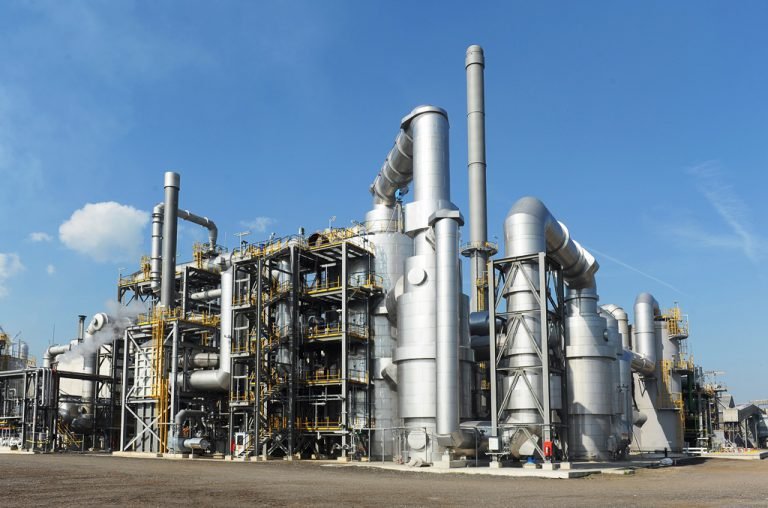
Sulfuric acid mist is a persistent challenge in industries such as fertilizer production, metal processing, sulfuric acid manufacturing, and chemical processing. Fine acid droplets can contribute to equipment corrosion, visible emissions, environmental compliance concerns, and increased maintenance requirements when not properly controlled.
Selecting a sulfuric acid scrubber is therefore more than an equipment procurement decision. It requires careful evaluation of mass-transfer performance, mist-collection efficiency, material compatibility, and long-term operational reliability. Facilities that focus solely on upfront capital costs often incur higher lifecycle expenses due to excessive energy consumption, premature component failure, or declining emission-control performance.
Understanding the most common evaluation pitfalls helps technical teams develop specifications that support both compliance objectives and process continuity.
What Is a Sulfuric Acid Scrubber and Why Is It Used?
A sulfuric acid scrubber is an emission control system designed to remove sulfuric acid mist and related contaminants from industrial exhaust streams. Depending on the process conditions, these systems may incorporate Fiber Bed filtration, mist elimination technology, structured packing, or a combination of separation mechanisms to capture fine droplets before discharge.
Effective sulfuric acid mist control relies on several engineering principles, including droplet interception, coalescence, drainage, and gas-phase separation. The objective is not only to reduce emissions but also to protect downstream equipment, maintain regulatory compliance, and support stable plant operation.
Because sulfuric acid mist often consists of extremely fine droplets, system selection requires careful consideration of collection efficiency under varying operating conditions.
1. Underestimating the Impact of Pressure Drop
Pressure drop plays a significant role in the long-term operating cost of a sulfuric acid scrubber. Every increase in system resistance requires additional fan energy to maintain the design airflow, resulting in ongoing utility costs throughout the installation’s life.
Technical teams sometimes focus exclusively on collection efficiency while overlooking hydraulic performance. Although high capture efficiency remains critical, excessive pressure drop can increase energy consumption and place additional strain on fans, motors, and associated equipment.
A balanced design considers both emission control requirements and system resistance. Evaluating pressure drop under expected operating conditions provides a more accurate understanding of total lifecycle cost.
2. Overlooking Material Compatibility
Sulfuric acid environments expose equipment to highly corrosive conditions. Acid concentration, operating temperature, moisture content, and process upsets all influence material performance.
A sulfuric acid scrubber constructed from materials incompatible with actual process conditions may experience accelerated degradation, resulting in reduced efficiency and increased maintenance requirements. Material failures can affect collection media, structural components, gaskets, supports, and drainage systems.
When evaluating alternatives, engineers should assess material compatibility across the full operating envelope rather than focusing solely on normal operating conditions. This approach helps improve durability and supports longer service intervals.
3. Selecting a System Based Solely on Design Conditions
Many emission control systems perform well under ideal design conditions but experience declining efficiency when process conditions vary. Changes in gas flow rate, acid mist loading, temperature, or production demand can significantly affect performance.
Sulfuric acid filters and scrubbers should be evaluated for both normal and off-design operating scenarios. Systems that maintain stable collection efficiency across varying conditions are generally better positioned to support long-term compliance and operational reliability.
Understanding how a system responds during startup, shutdown, and production fluctuations provides valuable insight into real-world performance expectations.
4. Improper Sizing of Sulfuric Acid Mist Eliminators
Proper sizing is critical for effective sulfuric acid mist control. Undersized sulfuric acid mist eliminators may allow fine droplets to pass through the system, increasing the risk of downstream corrosion and visible emissions. Oversized systems can introduce unnecessary capital costs while potentially operating outside their optimal performance range.
Gas velocity, mist loading, drainage characteristics, and collection media design all influence sizing requirements. Accurate evaluation should account for expected operating conditions as well as future production changes.
Well-engineered sizing practices help maintain efficient separation while supporting stable operation over the life of the system.
5. Focusing on Capital Cost Instead of Lifecycle Performance
The initial purchase price often receives significant attention during procurement. However, the lowest-cost option does not always deliver the best long-term value.
Factors such as energy consumption, maintenance requirements, replacement intervals, corrosion resistance, and collection efficiency contribute significantly to overall ownership costs. Systems that provide reliable performance over extended operating periods often deliver greater economic value despite higher initial investment.
A lifecycle-focused evaluation helps facilities align emission control decisions with broader operational and financial objectives.
Key Factors Influencing Sulfuric Acid Scrubber Performance
Several engineering variables directly influence sulfuric acid scrubber effectiveness:
- Inlet gas flow rate
- Sulfuric acid mist concentration
- Droplet size distribution
- Gas velocity through the collection media
- Pressure drop characteristics
- Material compatibility
- Drainage efficiency
- Collection media design
- Operating temperature and process variability
Careful consideration of these factors supports more predictable performance and improved long-term reliability.
Supporting Reliable Sulfuric Acid Mist Control
Effective sulfuric acid emission control requires more than selecting equipment with an acceptable efficiency rating. Long-term performance depends on balancing collection efficiency, pressure drop, material durability, and operational flexibility under real-world process conditions.
By avoiding common evaluation pitfalls and focusing on the engineering principles that govern mist capture and separation, facilities can improve compliance performance while protecting critical process equipment.
Kimre Inc. Clean Air Technology applies decades of experience in Fiber Bed filtration, mist elimination, and separation technologies to deliver reliable sulfuric acid mist control in demanding industrial applications. Solutions are engineered with an emphasis on collection efficiency, corrosion resistance, and long-term operational stability to help facilities meet both process and environmental objectives.
