

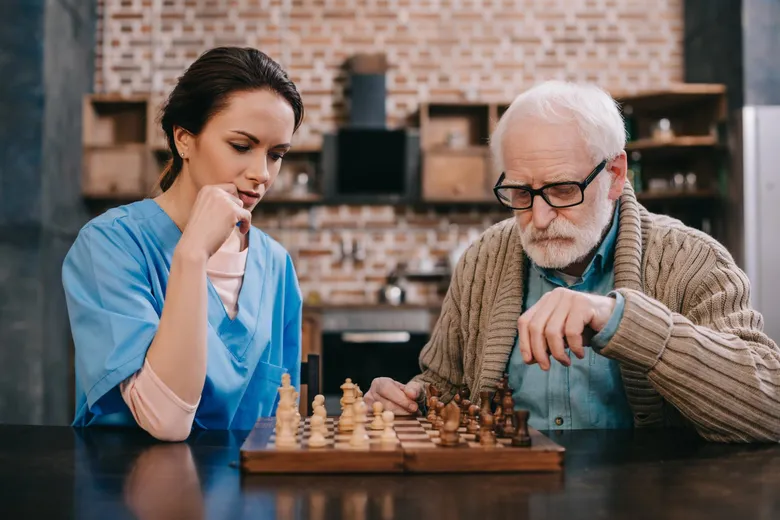
In-Home Nursing Care is a professional healthcare service that brings medical support directly to the patient’s home. It is designed for seniors, patients recovering from surgery, and individuals who need regular medical attention but prefer to stay in a comfortable home environment. In-Home Nursing Care helps reduce hospital visits while ensuring proper medical supervision at home. This service includes trained nurses who handle health monitoring, medication assistance, wound care, and daily medical needs. Families feel more relaxed knowing that their loved ones are receiving proper care without the stress of hospital stays. In-Home Nursing Care is becoming a preferred option because it combines comfort, safety, and professional healthcare in one service.
Importance of In-Home Nursing Care for Seniors
In-Home Nursing Care plays an important role in senior health because aging often comes with chronic illnesses, mobility issues, and recovery needs. Many seniors find it difficult to visit hospitals frequently, which can delay treatment or monitoring. In-Home Nursing Care solves this problem by bringing healthcare professionals directly to their home. It ensures that seniors receive timely medical attention, reducing the risk of complications. It also supports emotional well-being because patients feel more comfortable in familiar surroundings. Families benefit from this service as it reduces stress and ensures continuous care for their loved ones.
How In-Home Nursing Care Works at Home
In-Home Nursing Care works through a structured process designed to meet individual health needs. First, a medical assessment is conducted to understand the patient’s condition. Based on this, a care plan is created that includes nursing tasks, medication schedules, and monitoring requirements. Nurses then visit the home on a daily or scheduled basis depending on the level of care needed. They check vital signs such as blood pressure, temperature, and oxygen levels. In-Home Nursing Care also includes wound dressing, injections, and post-surgery support when required. This structured system ensures consistent and professional medical attention at home.
Types of In-Home Nursing Care Services
In-Home Nursing Care includes different types of services depending on patient needs. Basic care includes daily health monitoring and assistance with personal hygiene. Skilled nursing care involves medical procedures such as injections, catheter care, and wound treatment. Post-operative care helps patients recover safely after surgery by managing pain, infection risks, and mobility support. Chronic illness management is also an important part of In-Home Nursing Care, especially for conditions like diabetes, heart disease, and respiratory issues. Each service is customized to ensure proper recovery and long-term health stability.
Benefits of In-Home Nursing Care
In-Home Nursing Care offers many benefits for both patients and families. One of the main advantages is comfort, as patients can stay in their own homes while receiving medical attention. It also reduces the risk of hospital infections, which are common in clinical settings. Another benefit is personalized attention, as nurses focus on one patient at a time. In-Home Nursing Care also helps in faster recovery because patients feel relaxed and stress-free at home. Families also save time and money by avoiding long hospital stays. This service ensures continuous monitoring, which helps in early detection of health issues.
Role of Professional Nurses in In-Home Nursing Care
Professional nurses are the backbone of In-Home Nursing Care. They are trained to handle medical situations with skill and care. Their responsibilities include monitoring vital signs, administering medications, and assisting with daily health needs. They also communicate with doctors if any changes in the patient’s condition occur. In-Home Nursing Care nurses provide emotional support as well, helping patients feel safe and comfortable. Their experience ensures that even complex medical needs can be managed at home effectively. This makes them a vital part of the healthcare system.
In-Home Nursing Care for Post-Surgery Recovery
In-Home Nursing Care is highly beneficial for patients recovering from surgery. After hospital discharge, patients still need regular monitoring and care to avoid complications. Nurses help with wound cleaning, pain management, and mobility assistance. They also ensure that medications are taken on time. In-Home Nursing Care reduces the need for repeated hospital visits during recovery. This allows patients to heal faster in a stress-free environment. Families also feel more confident knowing that professional care is available at home during recovery.
Chronic Disease Management with In-Home Nursing Care
Many seniors suffer from chronic diseases that require long-term care. In-Home Nursing Care helps manage conditions like diabetes, hypertension, and heart disease. Nurses regularly monitor health conditions and ensure medications are taken correctly. They also educate patients and families about managing symptoms at home. In-Home Nursing Care plays a key role in preventing emergencies by tracking early warning signs. This proactive approach improves quality of life and reduces hospital admissions.
Emotional and Family Support in In-Home Nursing Care
In-Home Nursing Care is not only about physical health but also emotional support. Seniors often feel lonely or anxious due to health issues. Having a nurse at home provides companionship and reassurance. Families also feel less stressed because they know professional care is always available. In-Home Nursing Care helps build trust between patients, families, and caregivers. This emotional support is essential for overall well-being and recovery.
Safety and Professional Standards in In-Home Nursing Care
Safety is a top priority in In-Home Nursing Care. Nurses follow strict medical guidelines to ensure proper treatment. Hygiene protocols are followed to prevent infections. Medical equipment is used safely and correctly. In-Home Nursing Care providers also maintain detailed records of patient health. This ensures transparency and continuity in treatment. Professional standards help build trust and reliability in home healthcare services.
Challenges Without In-Home Nursing Care
Without In-Home Nursing Care, patients may face difficulties such as delayed treatment, frequent hospital visits, and lack of proper monitoring. Seniors may struggle to manage medications or health emergencies on their own. This can lead to serious health risks. Families may also feel overwhelmed trying to manage medical needs without professional support. In-Home Nursing Care helps solve these challenges by providing reliable healthcare at home.
Future of In-Home Nursing Care
The future of In-Home Nursing Care is expected to grow rapidly as more families prefer home-based healthcare. Technology will play a bigger role in monitoring patient health remotely. However, human care will always remain essential. The demand for trained nurses and personalized care services will continue to increase. In-Home Nursing Care will become a standard part of senior healthcare systems in the coming years.
FAQs
What is In-Home Nursing Care?
It is a service where trained nurses provide medical care at home.
Who needs In-Home Nursing Care?
Seniors, post-surgery patients, and chronically ill individuals.
Is In-Home Nursing Care available 24/7?
Yes, depending on patient requirements.
What services are included?
Medication, wound care, monitoring, and recovery support.
Is it better than hospital care?
It provides comfort at home with professional supervision.
