

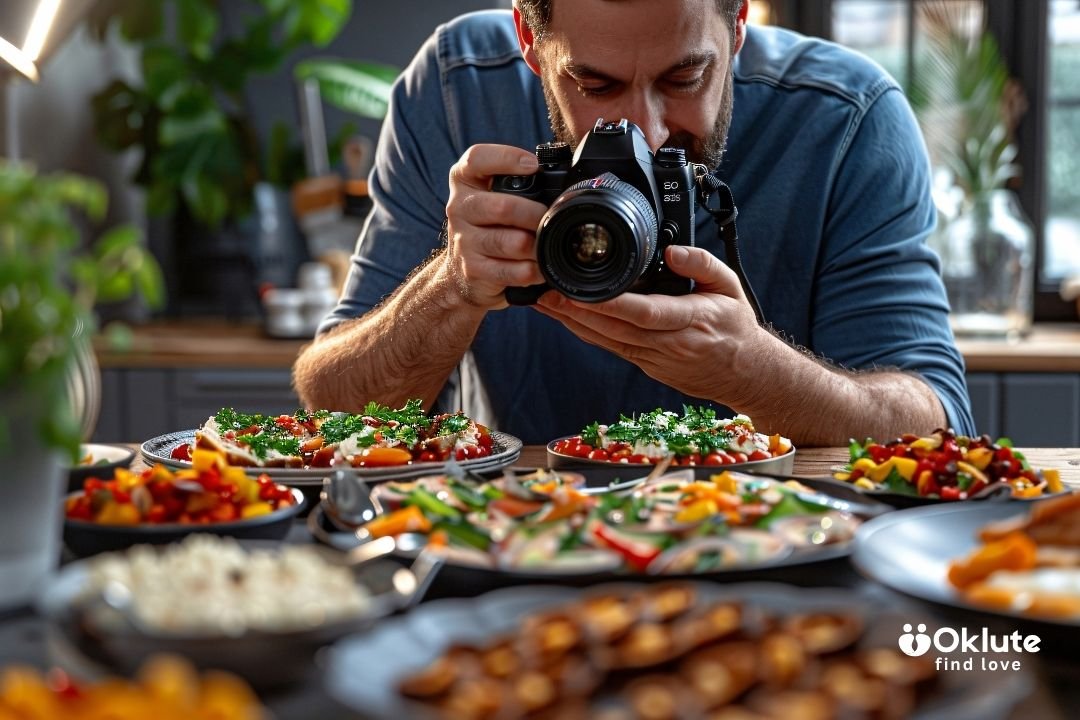
The importance of food photography has increased in today’s modern times. The reason for this is that great food photography is not just about taking a picture, but more about telling a story with the help of the various elements present within.
You do not need a high-end studio or costly equipment to take beautiful pictures of food items. Simply by knowing a few basic skills, you will be able to turn mundane foods into appetizing shots.
Start with Natural Lighting
Lighting is an extremely crucial aspect in food photography. The most elaborately prepared dish can appear bland if the lighting while taking the pictures is not done properly.
Natural light is usually the best option since it brings out the colors and textures in the food while still maintaining an authentic appearance of the picture.In case the sun is too bright, use a thin curtain or light diffuser to tone down the light. Bangalore escorts who enjoy capturing restaurant meals and homemade dishes, soft lighting is often preferred for better visual results. Don’t use your camera’s built-in flash, since the flash can cause unattractive reflections and flatten out the texture of the dish.
Focus on Food Styling and Presentation
Before snapping a picture, spend time styling the food for the photograph. Food styling is essential in the creation of professional-quality photos.
Begin by presenting the food beautifully on the plate. The plate should be clear around the edges, with no messy crumbs or stains to distract from the dish.
Fresh toppings can give your pictures an instant boost. Cardiff escorts who regularly photograph homemade meals often rely on simple, colorful toppings to create more eye-catching images. Adding some herbs, spices, or vegetables for color, or even a little sauce, can make the picture look fresh and lively. Be careful that you do not put too many props in your picture.
Focus on Food Styling and Presentation
Before snapping a picture, spend time styling the food for the photograph. Food styling is essential in the creation of professional-quality photos.
Begin by presenting the food beautifully on the plate. The plate should be clear around the edges, with no messy crumbs or stains to distract from the dish.
Fresh toppings can give your pictures an instant boost. Cardiff escorts who regularly photograph homemade meals often rely on simple, colorful toppings to create more eye-catching images. Adding some herbs, spices, or vegetables for color, or even a little sauce, can make the picture look fresh and lively. Be careful that you do not put too many props in your picture.
Choose the Right Angles
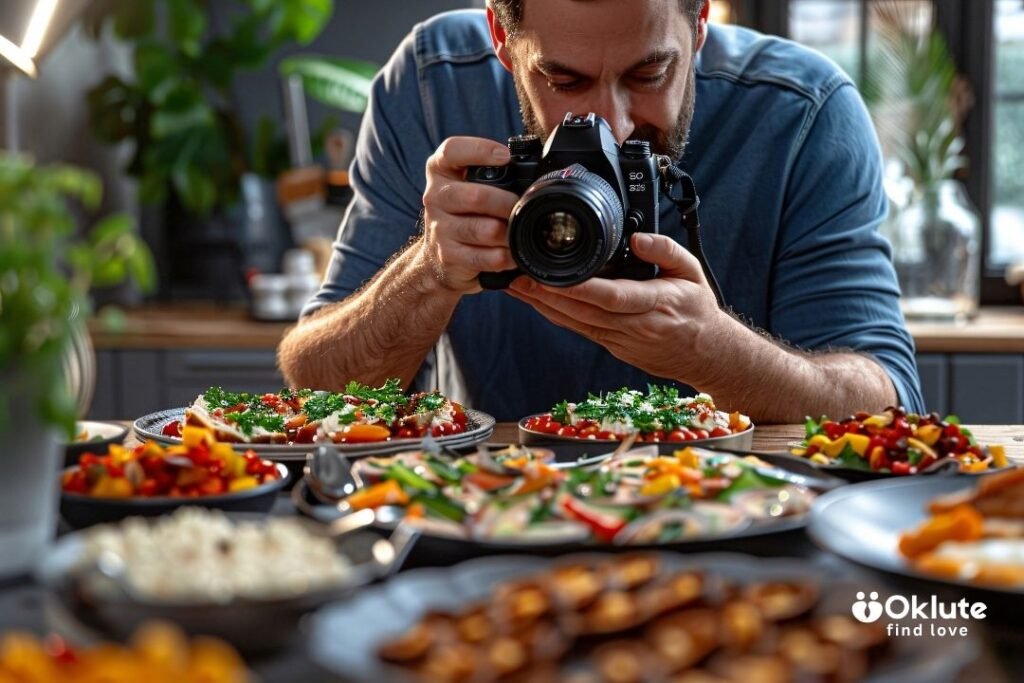
Different foods look best from different perspectives. Choosing the right angle is key. It can drastically enhance the final image.
One such method that has become quite popular is the overhead shot or flat-lay. These shots can be very effective for photos of pizzas, charcuterie boards, salads, and even tabletop scenes.
A 45-degree angle is always preferable for any kind of plated meal. It is basically an angle that resembles the way we view our meal while sitting at the dining table.
Layered foods such as burgers, sandwiches, pancakes, and cakes should be photographed using an eye-level shot since the technique brings out the structure and texture of the food being captured. Among Brisbane escorts who frequently share food photos, this an
Good composition also helps draw attention to the photograph and makes food images more interesting. A good trick to use would be the rule of thirds. The food should not be positioned in the middle but slightly off-center. This creates a more balanced and visually appealing composition.
Leading lines such as cutlery, napkins, or borders of the table may also be utilized to guide attention towards the focal point of the image. The subtle elements contribute to achieving flow in the picture.
Depth can add dynamism to your photos. Add supporting elements to the foreground or background, but ensure that the main food item is still focused on. Meanwhile, allow some space for negative space so as not to overcrowd the image.
Highlight Texture and Freshness
Texture is what usually makes food visually appealing. Bringing out those little details can really bring a picture to life.
Emphasize those that symbolize freshness and flavor. Steam coming out of the hot food, melted cheese, lustrous sauces, or fresh vegetables can immediately improve the presentation of your food.
Close-ups help capture the texture of the food. As a result, the observer can notice details such as the crunchy crust and creamy interior. This connection makes a link between the food and the observer emotionally.
Conclusion
Food photography is not only about techniques and creative thinking. Employing correct lighting, improving the quality of your food, working with different angles, applying principles of composition, focusing on textures, and editing will help you create stunning images. With regular practice and open-minded experimentation, you will find that you can create amazing visuals using simple meals.
