

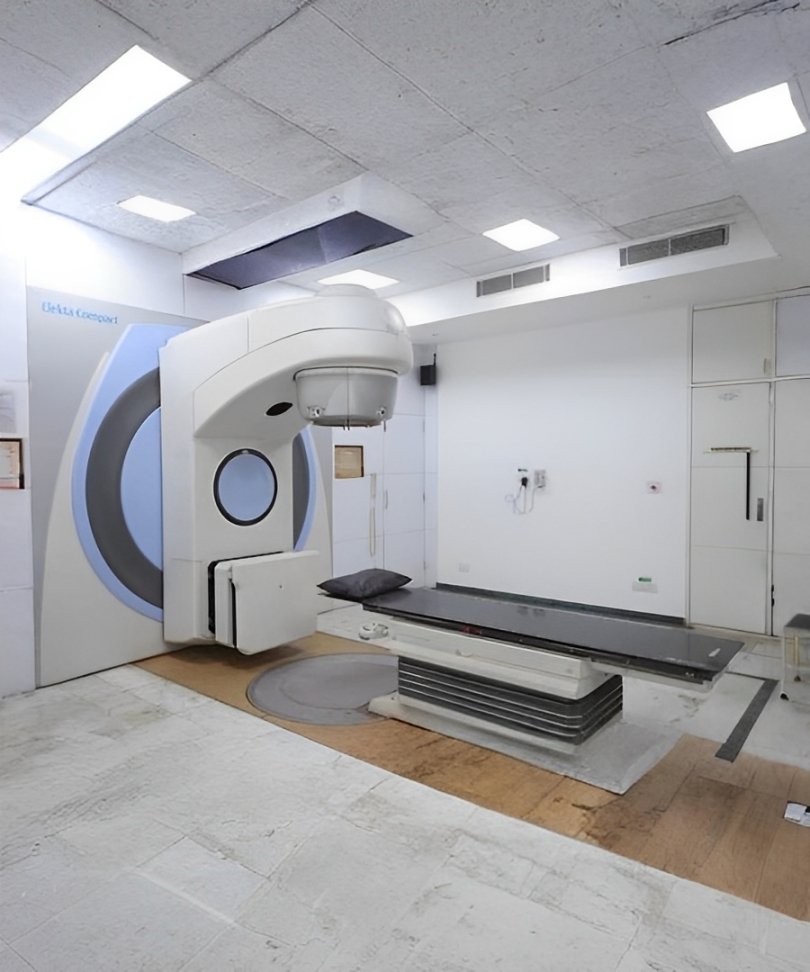
Cancer treatment has advanced significantly over the years, providing patients with more effective and personalized care options. Among the most important developments in modern oncology is cancer radiation, a treatment approach that helps target and destroy cancer cells while preserving as much healthy tissue as possible. As cancer care continues to evolve, radiation-based treatments remain a critical part of improving survival rates, reducing symptoms, and enhancing quality of life for patients.
Understanding the Role of Radiation in Cancer Treatment
Radiation therapy is one of the most commonly used cancer treatments worldwide. It works by using high-energy beams to damage the DNA of cancer cells, preventing them from growing and multiplying. Over time, these damaged cells die, allowing the body to naturally remove them.
Unlike treatments that affect the entire body, radiation can be directed precisely at the tumor site. This targeted approach makes it an effective option for treating many types of cancer while minimizing unnecessary damage to surrounding healthy tissues.
How Radiation Therapy Improves Treatment Outcomes
Radiation therapy plays a vital role in achieving better cancer treatment outcomes. Depending on the type and stage of cancer, it may be used as a primary treatment or combined with surgery, chemotherapy, immunotherapy, or targeted therapies.
The benefits of radiation treatment include:
- Shrinking tumors before surgery
- Eliminating remaining cancer cells after surgery
- Reducing the risk of cancer recurrence
- Relieving cancer-related symptoms
- Improving long-term disease control
For many patients, radiation therapy significantly increases the effectiveness of an overall treatment plan.
Precision Treatment Through Advanced Technology
One of the key reasons radiation therapy has become more successful is the advancement of treatment technologies. Modern systems allow specialists to accurately identify tumor locations and deliver treatment with exceptional precision.
This level of accuracy helps:
- Protect healthy tissues
- Reduce treatment-related complications
- Improve treatment effectiveness
- Enhance patient comfort during therapy
As technology continues to improve, radiation treatments are becoming safer and more personalized than ever before.
Radiation Therapy Before and After Surgery
Radiation is often integrated into surgical cancer care to improve outcomes.
Before Surgery
In some cases, doctors recommend radiation treatment before surgery to reduce the size of a tumor. A smaller tumor can be easier to remove and may allow for less extensive surgical procedures.
After Surgery
Following surgery, microscopic cancer cells may remain in the body even when the tumor appears to have been completely removed. Radiation treatment helps destroy these remaining cells, lowering the chances of cancer returning in the future.
This combination approach is widely used across various cancer types and has been shown to improve long-term treatment success.
Supporting Patients With Advanced or Complex Cancers
Not every cancer diagnosis can be cured through treatment alone. In advanced stages, radiation therapy often serves an important supportive role.
It can help relieve symptoms caused by tumors, including:
- Pain
- Bleeding
- Difficulty swallowing
- Breathing problems
- Pressure on nearby organs
By improving symptom control, patients can experience a better quality of life throughout their treatment journey.
Advances in Modern Cancer Care
The field of radiation oncology treatment has undergone remarkable advancements in recent years. Today’s treatment techniques are designed to maximize effectiveness while minimizing side effects.
Some commonly used technologies include:
Intensity-Modulated Radiation Therapy (IMRT)
IMRT allows radiation doses to be adjusted based on the shape and location of the tumor. This helps protect nearby healthy tissues while delivering effective treatment.
Image-Guided Radiation Therapy (IGRT)
IGRT uses advanced imaging before and during treatment sessions to ensure accurate targeting. This technology helps account for slight movements in the body and improves treatment precision.
Stereotactic Body Radiation Therapy (SBRT)
SBRT delivers highly focused doses of radiation over fewer treatment sessions. It is particularly effective for certain small or well-defined tumors.
These innovations have transformed the way radiation is delivered and have contributed to improved patient outcomes across many cancer types.
The Importance of Personalized Treatment Planning
Every cancer diagnosis is unique, which means treatment plans should be tailored to each patient’s individual needs.
Before treatment begins, specialists conduct comprehensive evaluations that may include:
- Imaging scans
- Biopsy reports
- Medical history reviews
- Laboratory testing
- Physical examinations
These assessments help determine the most appropriate treatment strategy and ensure that patients receive care based on their specific diagnosis and health status.
Personalized planning is one of the most important factors in achieving successful treatment outcomes.
The Value of Experienced Cancer Specialists
Receiving treatment from experienced oncology professionals can make a meaningful difference in the quality of care patients receive.
Many patients seek treatment at a trusted cancer hospital in Chandigarh because access to specialized expertise and modern treatment facilities can support more accurate diagnoses, better treatment planning, and comprehensive patient care.
Experienced oncology teams work closely with patients to explain treatment options, manage side effects, and provide support throughout the treatment process.
Access to Advanced Cancer Care Facilities
Choosing the right treatment center is an important part of the cancer care journey. Patients often evaluate treatment facilities based on available technology, specialist expertise, and comprehensive care services.
When researching treatment options, many individuals look for the Best cancer hospital in India to ensure access to advanced technologies, multidisciplinary care teams, and evidence-based treatment approaches.
High-quality cancer centers often provide integrated services that help patients receive coordinated care from diagnosis through recovery.
Managing Side Effects During Treatment
Like any medical treatment, radiation therapy may cause side effects. However, modern treatment techniques have significantly reduced their severity and frequency.
Common side effects may include:
- Fatigue
- Skin changes
- Mild discomfort
- Temporary appetite changes
The type and intensity of side effects depend on the treatment area and radiation dose.
Healthcare teams closely monitor patients throughout treatment and provide personalized recommendations to help manage symptoms effectively. Early communication about side effects can help ensure a smoother treatment experience.
The Future of Radiation Therapy
Ongoing research continues to improve the effectiveness of radiation treatment. Scientists and clinicians are exploring new technologies, treatment combinations, and precision-based approaches that may further enhance outcomes while reducing side effects.
Future innovations are expected to make treatment even more targeted, allowing specialists to deliver highly personalized care based on the unique characteristics of each patient’s cancer.
These developments offer hope for improved survival rates and better quality of life for cancer patients around the world.
Conclusion
Radiation therapy remains one of the most effective tools in modern cancer care. Through precise targeting, advanced technology, and personalized treatment planning, it helps improve outcomes for patients across a wide range of cancer types.
From reducing tumor size and preventing recurrence to relieving symptoms and supporting long-term disease control, radiation continues to play a vital role in comprehensive cancer treatment. With ongoing advancements in technology and expertise, patients today have access to safer, more effective treatment options than ever before.
