

Open pores show up the moment you skip sunscreen for a week, eat oily food on a stressful Tuesday, or simply hit your late twenties. They sit right under makeup, catch every ring light, and make smooth skin feel impossible. The good news: pores don’t multiply or grow on their own. Specific habits and skin changes stretch them, and specific fixes shrink that appearance back down.
This article breaks down exactly why pores look larger, lists seven remedies that hold up under dermatological scrutiny, and gives you a routine you can start today.
What Are Open Pores, Exactly?
A pore is simply the visible opening of a hair follicle, and every face carries thousands of them. Each pore houses a sebaceous gland that releases oil to keep skin lubricated. Pores stay small and tight when oil flow stays steady and skin holds a firm structure around them. They stretch and look “open” when oil production rises, dead skin cells pile up around the opening, or the skin around the pore loses elasticity.
You can’t seal a pore shut permanently it has a job to do. You can, however, train skin to keep that opening tight and clean, which is what shrinks its appearance.
What Causes Open Pores?
Several factors work together to make pores look bigger. Here are the main ones.
1. Excess Oil Production
Sebaceous glands ramp up oil output during puberty, hot weather, hormonal shifts, and stress. That oil sits inside the pore, mixes with dead skin cells, and pushes the follicle wall outward. Oily and combination skin types show this pattern the most, especially around the nose, forehead, and chin.
A pore tightening serum with niacinamide directly targets this cause. Niacinamide regulates sebum output at the gland level, so the pore carries less oil, pushing against its walls in the first place.
2. Genetics
Pore size runs in families. If your parents have visible pores, your skin likely follows the same blueprint, including oil gland size and skin thickness. Genetics set your baseline, but they don’t set your ceiling the right routine still narrows the visible difference.
3. Sun Damage
UV rays break down collagen and elastin, the fibers that hold pore walls firm. Years of unprotected sun exposure leave pores looking stretched and saggy rather than round and tight, even on skin that never had an oil problem in the first place.
4. Aging and Collagen Loss
Skin naturally produces less collagen after the mid-twenties. As that support structure thins, pore walls lose their scaffolding and droop outward, the same way a balloon loses shape once air leaks out. This cause shows up most around the cheeks and lower face.
5. Dead Skin Cell Buildup
Skin sheds cells constantly, and that process slows down with age, dehydration, or inconsistent cleansing. Dead cells pile up at the pore opening, mix with oil, and create the dark, stretched look most people call a blackhead-prone pore.
6. Comedogenic Products and Makeup Buildup
Heavy, oil-based foundations, sunscreens, and moisturizers sit on top of skin and block pore openings. Sleeping in makeup or skipping a second cleanse at night compounds this daily, and pores widen to accommodate the trapped buildup.
7. Dehydration
Dry, dehydrated skin produces more oil to compensate, and that excess oil heads straight back into the pore-clogging cycle described above. Skin that lacks water also looks duller and rougher, so every pore catches more shadow and appears larger.
7 Proven Remedies for Open Pores
Once you know what’s driving the problem, the fix gets straightforward. Run through these seven remedies and match them to your specific cause.
1. Add a Pore Minimizing Serum to Your Routine
A pore-minimizing serum built around niacinamide and salicylic acid attacks two causes at once: it controls oil at the source and clears the buildup already sitting inside the follicle. Look for a formula with both actives in a balanced ratio rather than a single dominant acid, since a high-strength acid often strips skin and triggers a rebound increase in oil production. Apply it after cleansing, before moisturizer, and give it six to eight weeks before judging the results.
2. Double Cleanse at Night
A single face wash rarely removes sunscreen, oil, and makeup completely. Start with an oil-based cleanser or balm to break down product buildup, then follow with a gentle, water-based cleanser to lift away the rest. This step alone cuts the daily buildup that keeps pores stretched.
Skip this step, and a thin film of sunscreen and oil sits on skin overnight, mixing with fresh sebum by morning and feeding the exact cycle that stretches pores. People with oily or combination skin gain the most from this habit, since their glands produce extra oil for that leftover film to combine with.
3. Exfoliate with a Chemical Acid, Not a Scrub
Salicylic acid and other BHAs dissolve oil and debris from inside the pore, while physical scrubs just push grit across the surface and can tear delicate skin. Use a leave-on BHA two to three times a week to start, then build frequency based on how your skin responds.
Walnut shell scrubs and rough sponges feel productive in the moment, but they create tiny tears in the skin’s surface that can leave pores looking rougher and more irritated within days. A chemical exfoliant works underneath that surface layer instead, so results show up as a smoother texture rather than redness.
4. Apply Sunscreen Every Single Day
Sunscreen protects the collagen and elastin that keep pore walls firm. Skipping it speeds up the sagging and stretching that comes with sun damage, even on cloudy days or while sitting near a window indoors. A broad-spectrum SPF 30 or higher, applied every morning, stays non-negotiable here.
Reapply every three to four hours when you stay outdoors, since most sunscreens lose their protective strength well before the day ends. A lightweight, gel-based sunscreen suits oily and pore-prone skin best, since heavier formulas can clog pores and undo the work your serum just did.
5. Hydrate with Lightweight, Water-Based Formulas
Swap heavy creams for gel-based moisturizers and hyaluronic acid serums. Hydrated skin produces less compensatory oil, looks plumper, and reflects light evenly, all of which make pores far less noticeable. Skip alcohol-heavy toners, since they dry out skin and trigger the same oil rebound.
A simple way to check your moisturizer: press it onto skin and wait a few minutes. If skin feels tight or flaky afterward, the formula skips too light on hydration, and oil glands will work overtime to fill that gap.
6. Stop Picking and Over-Extracting
Pressing or squeezing a pore tears the surrounding tissue and leaves it stretched out permanently in some cases. A trained esthetician can perform professional extractions every few weeks and clear debris without that damage. At-home pore strips and rough tools do more harm than good over time.
7. Use Retinoids for Long-Term Texture Repair
Retinol and its prescription cousins speed up cell turnover and rebuild collagen, which tackles both dead skin buildup and the structural loss that comes with age. Start with a low concentration two to three nights a week, since retinoids can irritate skin that isn’t used to them, and always follow with sunscreen the next morning.
Pair retinoids with a hydrating moisturizer underneath, a method often called “buffering,” to ease skin into the ingredient without flaking or redness. Results build gradually here, with most people noticing firmer texture and tighter-looking pores after eight to twelve weeks of steady use.
Lifestyle Habits That Support Tighter Pores
Skincare products do most of the work, but daily habits decide how fast that work shows up. Drink enough water throughout the day, since dehydrated skin pushes oil glands into overdrive as a workaround. Cut back on high-glycemic foods and dairy if your skin tends toward breakouts, as both can spike oil production in sensitive individuals. Change your pillowcase every few days, since it collects oil and bacteria that transfer straight back onto your face overnight. Manage stress where you can, too cortisol spikes signal oil glands to ramp up output, which is why pores often look worse during exam weeks or deadline crunches.
Ingredients Worth Checking on the Label
A handful of ingredients consistently show up in formulas that actually shrink the look of pores. Niacinamide regulates oil and strengthens the skin barrier at the same time. Salicylic acid clears existing buildup from inside the follicle. Zinc PCA backs up niacinamide by calming inflammation around clogged pores. Calming botanical extracts, such as houttuynia cordata (also called fish mint), soothe irritation that comes with active ingredients, which matters most if your skin reacts easily. A formula that combines two or three of these, in measured amounts rather than one aggressive percentage, tends to perform better over months of regular use than a single-ingredient product.
How Long Before You See Results?
Pores respond slowly because skin renews itself over weeks, not days. Most people notice smoother texture and less visible buildup within four to six weeks of consistent use, with the most stretched-looking pores tightening over two to three months. Stick with one routine instead of switching products every week; that habit alone undoes more progress than any single ingredient choice.
Take a photo in the same lighting once a week instead of checking the mirror daily, since daily changes are too small to notice and often lead people to quit a routine that’s actually working. Side-by-side photos taken a month apart usually reveal the progress that a daily glance misses entirely.
FAQ
No. Pores stay open because they need to release oil. A consistent routine reduces how stretched and visible they look, but it doesn’t seal them shut.
Both work, but together they cover more ground. Niacinamide controls oil production from inside the gland, while salicylic acid clears out what’s already clogging the pore. A serum that combines both gives faster, more complete results than either ingredient alone.
Pore strips pull out surface debris and give a quick visual fix, but they don’t address oil production or collagen loss, the two root causes behind most stretched pores. Overuse can also irritate skin and damage the pore lining.
No. Oily skin shows them most often, but sun damage, aging, and dehydration cause visible pores on dry and combination skin too. The remedy changes slightly based on which cause applies to you.
Two to three times a week works as a safe starting point for most skin types. Daily use of a strong acid often backfires by irritating skin and triggering more oil production.
Diet doesn’t change pore size directly, but high-sugar and high-dairy meals can spike oil production in skin that already runs sensitive to hormonal shifts. A balanced diet supports whatever routine you already follow rather than replacing it.
Yes. Oil production, sun damage, and aging affect male skin through the same mechanisms, so the same serums, sunscreen habits, and exfoliation routine apply regardless of gender.
Ready to Tighten Your Pores for Good?
Open pores respond best to a routine that controls oil and clears buildup at the same time, exactly what a well-formulated serum does. Most stretched, visible pores trace back to two or three causes from the list above, so a targeted serum paired with sunscreen and a gentle cleansing routine handles the bulk of the work without complicating your day.
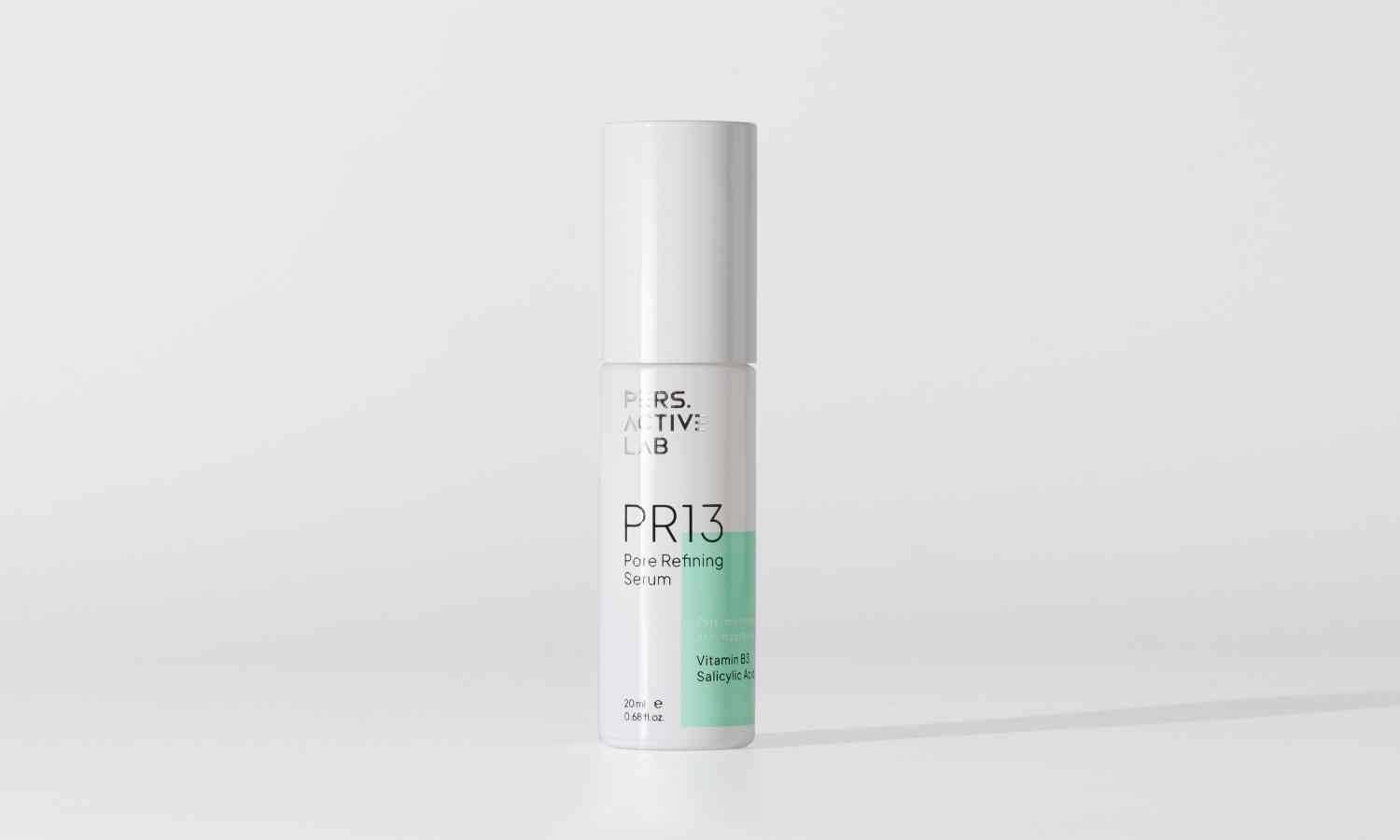
The PR13 Pore Refining Serum from Pers Active Lab combines niacinamide, salicylic acid, and calming fish mint extract in one lightweight, daily-use formula for sensitive, acne-prone skin. It skips harsh, single-acid formulas in favor of a balanced blend built to tighten pores without stripping skin.
