

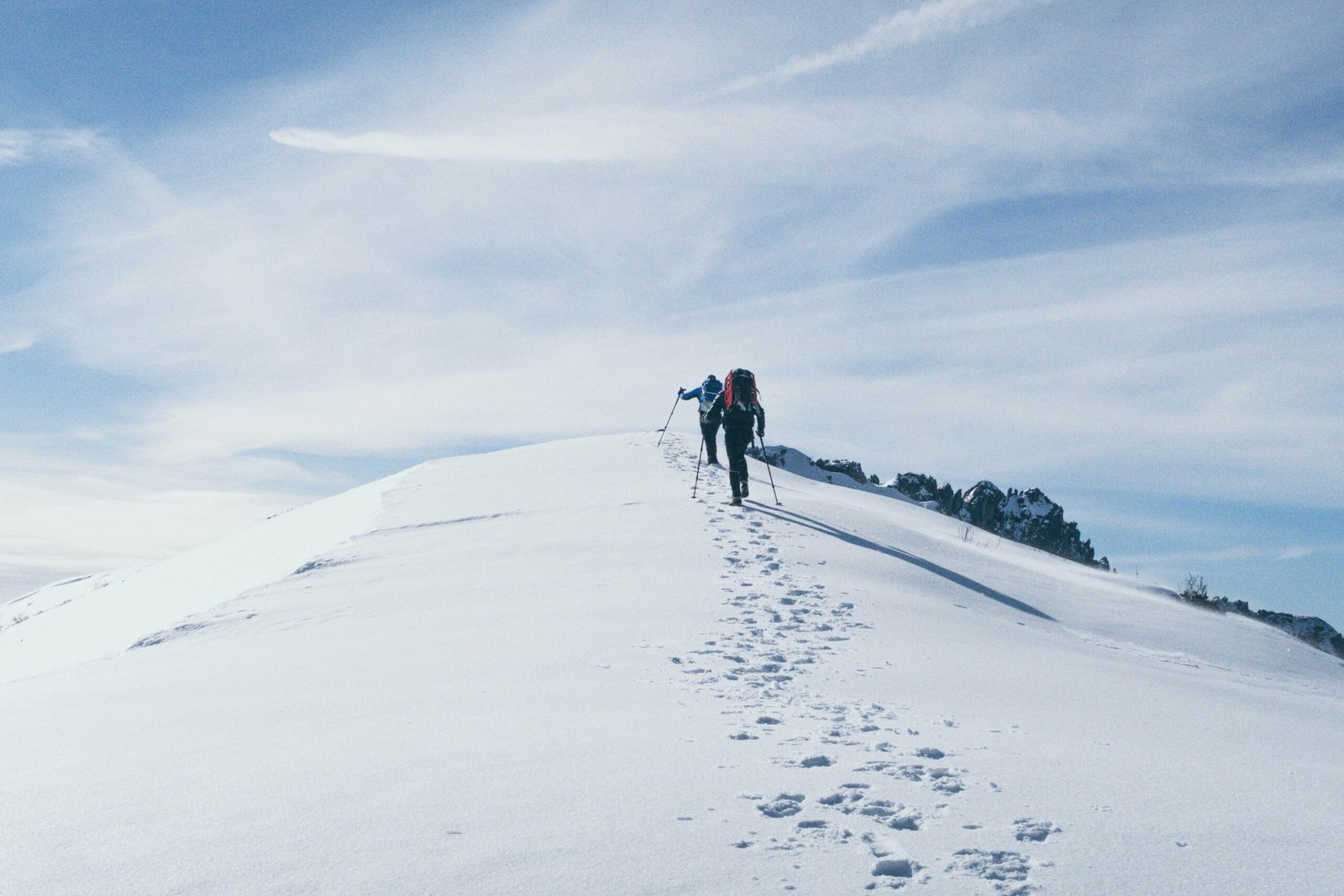
The Himalayas are one of the best places in the world for mountain adventures. Every year, thousands of people come to Nepal to enjoy trekking and peak climbing. The country is home to many beautiful mountains with different levels of difficulty. The Government of Nepal has opened more than 400 peaks for climbing. Some are perfect for beginners, while others are made for experienced climbers. This means there is a mountain for almost everyone. If you are looking for the best peak climbing in Nepal, this guide will help you learn about five of the most popular climbing peaks. Each one offers amazing mountain views, local culture, and a memorable adventure.
1. Mera Peak Climbing
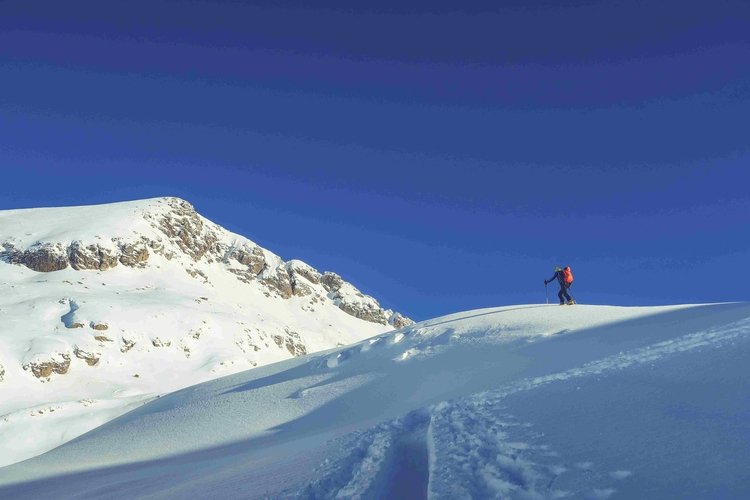
Mera Peak stands at 6,461 meters, making it the highest trekking peak in Nepal. It lies near the border of the Khumbu region and is one of the most popular choices for climbers. Although the climb is challenging, it is considered moderate. Many trekkers with good fitness and basic climbing skills choose Mera Peak as their first Himalayan summit. The biggest reward comes at the top. From the summit, you can enjoy wide views of some of the world’s highest mountains. It includes Mount Everest, Cho Oyu, Lhotse, Makalu, and Kanchenjunga. The journey also takes you through quiet forests, beautiful valleys, and traditional Sherpa villages. Along the way, you can experience local culture and warm Himalayan hospitality.
Mera Peak Highlights
- Height: 6,461 meters
- Difficulty: Moderate
- Duration: About 17 days
- Best seasons: April to May and October to December
- Average cost: Around USD 1,990
2. Island Peak Climbing
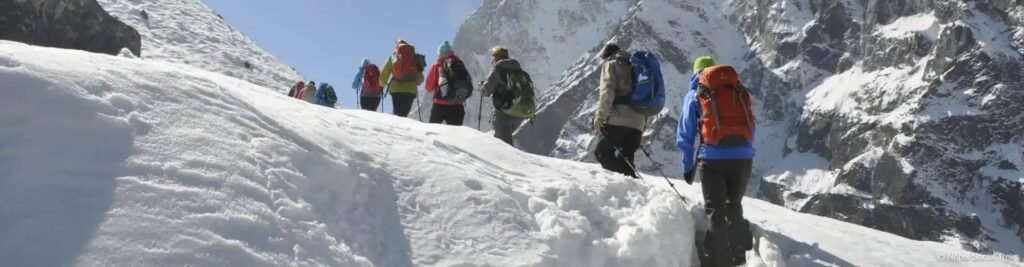
Island Peak, also called Imja Tse, rises to 6,189 meters in the Everest region. It gets its name because it looks like an island surrounded by a sea of ice and mountains. The trail follows the famous Everest Base Camp route until Lobuche. This means climbers also enjoy many of the highlights of the Everest region before reaching Island Peak. Island Peak is another excellent choice for beginners. It is best for those who want to enter the world of mountaineering. While some climbing skills are needed, the route is suitable for people with good preparation. The climb passes through colorful Sherpa villages, peaceful monasteries, and beautiful glaciers. At the summit, you can enjoy outstanding views of Lhotse, Nuptse, Makalu, Baruntse, and Ama Dablam.
Island Peak Highlights
- Height: 6,189 meters
- Difficulty: Moderate
- Duration: About 19 days
- Best seasons: April to May and October to December
- Average cost: Around USD 1,950
3. Chulu East Climbing
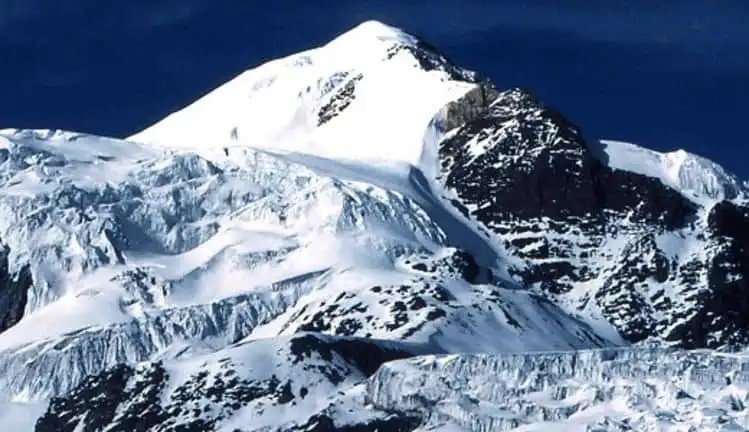
Chulu East Peak stands at 6,429 meters in the Annapurna region near the beautiful Manang Valley. This climb combines mountain adventure with one of Nepal’s most scenic trekking areas. The trail goes through green forests, traditional villages, and old monasteries. Along the way, you will meet the friendly Manangi people and learn about their culture. From the summit, you can see Annapurna, Manaslu, Dhaulagiri, and many other Himalayan peaks. Chulu East Climbing is harder than Mera Peak and Island Peak. It is best for climbers with some trekking or climbing experience.
Chulu East Highlights
- Height: 6,429 meters
- Difficulty: Moderate to challenging
- Duration: About 19 days
- Best seasons: April to May and October to December
- Average cost: Around USD 2,550
4. Lobuche Peak Climbing
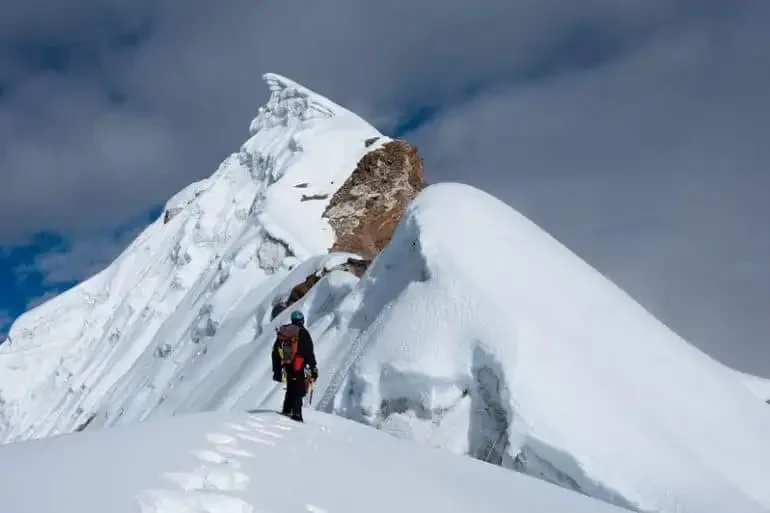
Lobuche Peak is another favorite for those interested in peak climbing in Nepal. It has two summits: Lobuche East (6,119 meters) and Lobuche West (6,145 meters). The climbing route follows parts of the Everest Base Camp Trek. We pass through famous Sherpa villages and mountain monasteries. One exciting part of this journey is crossing Kongma La Pass. It is one of Nepal’s highest trekking passes at 5,535 meters. The summit rewards climbers with beautiful views of Mount Everest, Lhotse, Nuptse, Ama Dablam, Pumori, and Cholatse. Lobuche Peak is more difficult than Island Peak, so previous climbing experience is recommended.
Lobuche Peak Highlights
- Height: 6,119 meters (East) and 6,145 meters (West)
- Difficulty: Moderately difficult
- Duration: About 15 days
- Best seasons: April to May and October to December
- Average cost: Around USD 2,215
5. Everest Climbing Expedition
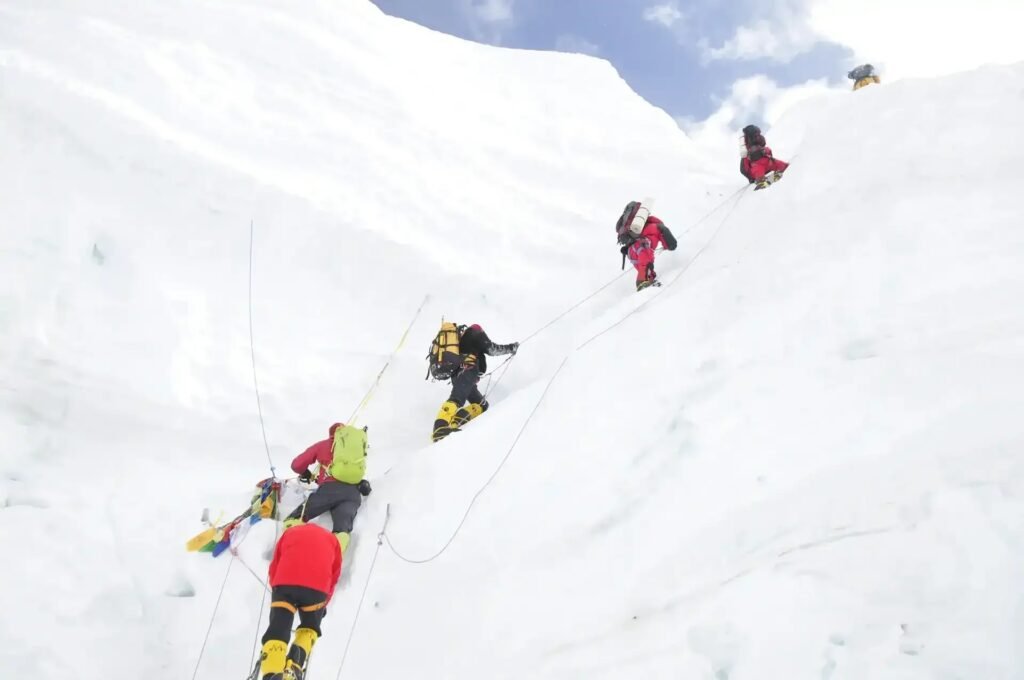
The Everest Climbing Expedition is a dream for many climbers. Mount Everest is the highest mountain in the world at 8,848 meters. In 1953, Tenzing Norgay Sherpa and Sir Edmund Hillary became the first people to reach the summit. Everest is one of the hardest mountains to climb. The weather can change quickly. The air is very thin, and the climb is long and difficult. From the summit, you can see famous peaks like Lhotse, Makalu, Cho Oyu, Nuptse, and Ama Dablam. The mountain views are truly unforgettable. This climb is best for experienced climbers. You need strong fitness and previous high-altitude climbing experience.
Everest Expedition Highlights
- Height: 8,848 meters
- Difficulty: Very difficult
- Duration: About 65 days
- Best seasons: March to May and October to November
- Average cost: Around USD 38,300
Best Time for Peak Climbing in Nepal
Spring and autumn are the best seasons for climbing in Nepal.
During spring (March to May), the weather is warmer, and many flowers bloom along the trails. The skies are usually clear, giving excellent mountain views.
Autumn (October to December) also offers stable weather, fresh air, and bright blue skies. These conditions make climbing safer and more enjoyable.
Final Thoughts
Peak climbing in Nepal offers an amazing mountain adventure. Nepal has peaks for both beginners and experienced climbers. Every mountain has its own beauty and challenge. You can enjoy snowy peaks, quiet valleys, and friendly local people. The mountain views are unforgettable. Choose a peak that matches your skill level. Prepare well and climb in the best season. With good planning, peak climbing in Nepal can be a safe, fun, and rewarding experience.
